A Cushion for Uncertain Times
As the outlook clouds, investors can protect themselves from market shock.

You are now subscribed
Your newsletter sign-up was successful
Want to add more newsletters?

Delivered daily
Kiplinger Today
Profit and prosper with the best of Kiplinger's advice on investing, taxes, retirement, personal finance and much more delivered daily. Smart money moves start here.

Sent five days a week
Kiplinger A Step Ahead
Get practical help to make better financial decisions in your everyday life, from spending to savings on top deals.

Delivered daily
Kiplinger Closing Bell
Get today's biggest financial and investing headlines delivered to your inbox every day the U.S. stock market is open.

Sent twice a week
Kiplinger Adviser Intel
Financial pros across the country share best practices and fresh tactics to preserve and grow your wealth.

Delivered weekly
Kiplinger Tax Tips
Trim your federal and state tax bills with practical tax-planning and tax-cutting strategies.

Sent twice a week
Kiplinger Retirement Tips
Your twice-a-week guide to planning and enjoying a financially secure and richly rewarding retirement

Sent bimonthly.
Kiplinger Adviser Angle
Insights for advisers, wealth managers and other financial professionals.

Sent twice a week
Kiplinger Investing Weekly
Your twice-a-week roundup of promising stocks, funds, companies and industries you should consider, ones you should avoid, and why.

Sent weekly for six weeks
Kiplinger Invest for Retirement
Your step-by-step six-part series on how to invest for retirement, from devising a successful strategy to exactly which investments to choose.
Scarcely a day goes by that doesn't raise new questions about the strength of the economy and the durability of the stock market. Each news bite is scrutinized intensely, and a bipolar stock market soars one day and sinks the next depending on the soothsaying du jour. We think even the gloomiest scenarios have bright spots, such as opportunities arising as manufacturers and multinational companies capitalize on the improving trade picture and robust economies abroad.
But we also recognize that this is one of those stock-market moments when you want to cocoon yourself in the bubble wrap of the most shock-resistant holdings. In economically unsettled times, that means stocks of companies that make the things we keep buying, no matter what.
Who's going to stop eating, brushing his teeth or diapering the baby? That's why so-called consumer staples have beaten the overall market 90% of the time during the 11 recessionary periods since 1945, according to Standard & Poor's. Within that group, household products have gained nearly 2% on average, but alcoholic-beverage makers have risen 6% on average, and tobacco companies nearly 10%.
From just $107.88 $24.99 for Kiplinger Personal Finance
Become a smarter, better informed investor. Subscribe from just $107.88 $24.99, plus get up to 4 Special Issues

Sign up for Kiplinger’s Free Newsletters
Profit and prosper with the best of expert advice on investing, taxes, retirement, personal finance and more - straight to your e-mail.
Profit and prosper with the best of expert advice - straight to your e-mail.
Utilities and health-care stocks are dependable. Ironically, financial stocks usually hold up well when economic times are tough. But not this go-round, with financials at the epicenter of the subprime-mortgage mess. Instead, look for stock-market "airbags" in companies such as Colgate-Palmolive (symbol CL), Abbott Laboratories (ABT) and gas utility Nicor (GAS). Or explore exchange-traded funds that mimic broad sectors, such as Vanguard Consumer Staples (VDC), iShares Dow Jones US Healthcare (IYH) and S&P's Select Sector SPDR-Utilities (XLU).
A stake in dividend-paying stocks is a classic refuge (utilities fit this bill, too). If the economy stagnates and the stock market loses luster, you'll still collect a check four times a year. The key is choosing companies whose dividends are dependable. Be wary of newly high-yielding financial stocks on that score. Instead, check out old stalwarts, including Kraft Foods (KFT); an ETF, such as S&P's SPDR Dividend (SDY); or a mutual fund, say, Alpine Dynamic Dividend (ADVDX).
There's a fine line between precaution and panic. Don't dismantle a well-reasoned portfolio. On bleak trading days, remember that the stock market has telegraphed 75 of the last 11 recessions. In other words, 64 of the market selloffs since 1945 have not been linked to recession, and most of the dips soon reversed course.
Shying away from some stocks you'd normally avoid when the economy wanes could be a mistake now, says investment strategist Ed Yardeni. Industrial and materials companies (metals, paper and cement, for example) have the worst records during recessionary periods. Yet Yardeni, bullish on staples, health care and utilities, is recommending that investors load up on industrial, materials and energy stocks and avoid housing, finance and retail shares. The message: Seek beneficiaries of the global boom, shun victims of domestic gloom, and keep your defenses up.

-
 Look Out for These Gold Bar Scams as Prices Surge
Fraudsters impersonating government agents are convincing victims to convert savings into gold — and handing it over in courier scams costing Americans millions.
-
 How to Turn Your 401(k) Into A Real Estate Empire
Tapping your 401(k) to purchase investment properties is risky, but it could deliver valuable rental income in your golden years.
-
 My First $1 Million: Retired Nuclear Plant Supervisor, 68
Ever wonder how someone who's made a million dollars or more did it? Kiplinger's My First $1 Million series uncovers the answers.


-
 How the Stock Market Performed in the First Year of Trump's Second Term
Six months after President Donald Trump's inauguration, take a look at how the stock market has performed.
-
 What the Rich Know About Investing That You Don't
People like Warren Buffett become people like Warren Buffett by following basic rules and being disciplined. Here's how to accumulate real wealth.
-
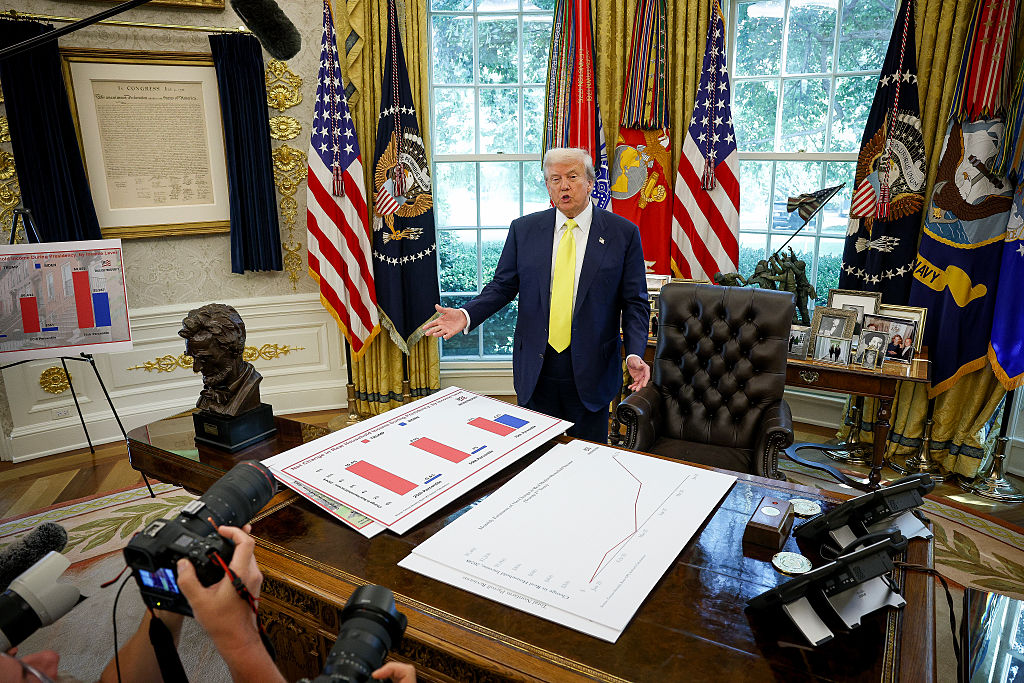 How to Invest for Rising Data Integrity Risk
Amid a broad assault on venerable institutions, President Trump has targeted agencies responsible for data critical to markets. How should investors respond?
-
 What Tariffs Mean for Your Sector Exposure
New, higher and changing tariffs will ripple through the economy and into share prices for many quarters to come.
-
 How to Invest for Fall Rate Cuts by the Fed
The probability the Fed cuts interest rates by 25 basis points in October is now greater than 90%.
-
 Are Buffett and Berkshire About to Bail on Kraft Heinz Stock?
Warren Buffett and Berkshire Hathaway own a lot of Kraft Heinz stock, so what happens when they decide to sell KHC?
-
 How the Stock Market Performed in the First 6 Months of Trump's Second Term
Six months after President Donald Trump's inauguration, take a look at how the stock market has performed.
-
 Fed Leaves Rates Unchanged: What the Experts Are Saying
Federal Reserve As widely expected, the Federal Open Market Committee took a 'wait-and-see' approach toward borrowing costs.


