What Made Warren Buffett's Career So Remarkable
What made the ‘Oracle of Omaha’ great, and who could be next as king or queen of investing?

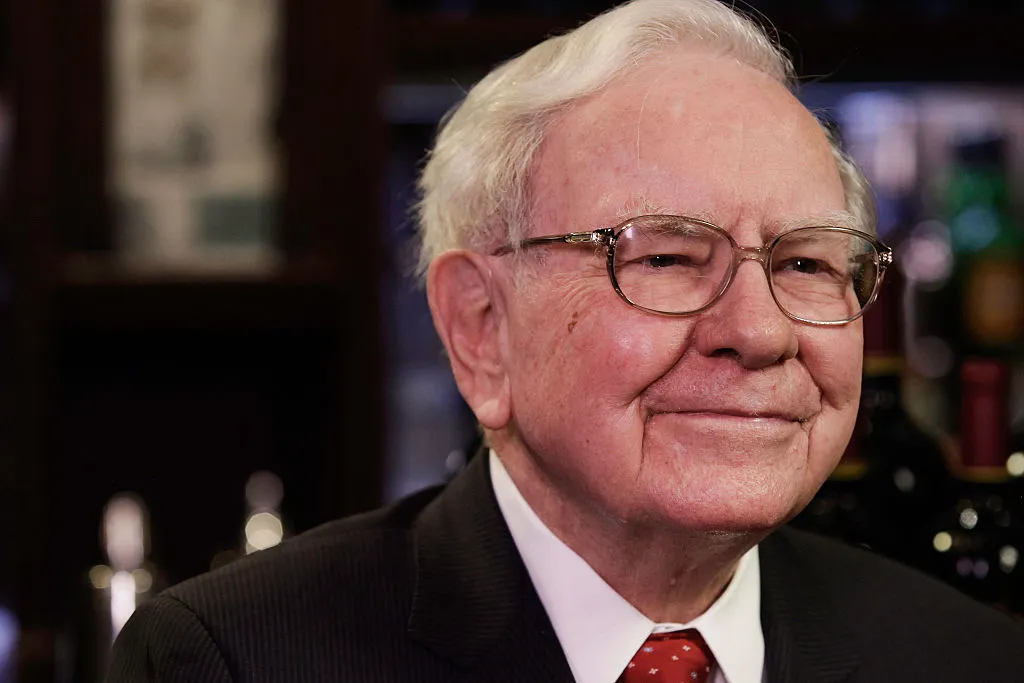
Warren Buffett, 95, the so-called Oracle of Omaha, is set to step down by year-end as CEO of investment company Berkshire Hathaway. Over 60 years, he and his deputy, Charlie Munger, who died in 2023 at the age of 99, produced outstanding investment returns that made other investors’ returns pale in comparison.
Look at the numbers: From 1965, the year Buffett took over a struggling textile company, through the end of 2024, Berkshire’s shares rose 5,502,284%. That’s an annual compounded return of 19.9%. Over the same six decades, the S&P 500 index rose just 39,054% or 10.4% annually.
“Buffett is the most legendary investor in the history of investing,” says Adam Patti, CEO of exchange-traded fund company VistaShares. “And he has changed the way people invest.”
From just $107.88 $24.99 for Kiplinger Personal Finance
Become a smarter, better informed investor. Subscribe from just $107.88 $24.99, plus get up to 4 Special Issues

Sign up for Kiplinger’s Free Newsletters
Profit and prosper with the best of expert advice on investing, taxes, retirement, personal finance and more - straight to your e-mail.
Profit and prosper with the best of expert advice - straight to your e-mail.
Now the question is which investor will take over as king or queen of investing. Whoever that will be will have some large boots to fill.
The long view
Long before taking over Berkshire Hathaway, Buffett was learning. His investing journey began early. He purchased his first stock at the age of 11, buying three preferred shares of Cities Service, a utility and oil company, and making a profit of around 5%. (Note: A basic element of Buffett’s investing strategy is to buy and hold, as he says, “forever.” Cities Service eventually became part of Occidental Petroleum, of which Berkshire is the largest shareholder.)
Years later, after studying at Columbia University under the legendary Benjamin Graham, who pioneered the concept of “value investing,” and earning a master’s degree, Buffett created the Buffett Partnership investment firm in 1956. Nine years later, Buffett went on to lead Berkshire Hathaway with the intent of converting it into a diversified holding company. Munger joined up in 1978. They ditched the textiles business in 1985 to focus on buying well-run businesses and taking big stakes in public companies.
The magic of Buffett and Munger's investment philosophy was simple in theory. “The best way to summarize what Buffett did, was to be patient and be prudent,” says Cathy Seifert, an equity analyst at research company CFRA. “Those two attributes served him well, and they weren’t so radical.”
That long-term view differed from many investors who looked for short-term gains, much like a professional market trader. Patti dubs it “rapid fire trading.” While that might work for Wall Street pros, it tends to be a losing strategy for amateurs.
When Berkshire bought controlling interests in companies, it did so with the radical idea of keeping the founders and other existing managers, Seifert says. Corporate takeovers typically involve firing top management and replacing them with executives from outside the company.
Plenty of cash
Berkshire has also benefited from holding insurance companies that generate massive cash flows each year, allowing it to buy more stock holdings, Seifert says.
Famously, Buffett would only buy companies that he understood. He passed on those that he didn’t understand. In line with a cautious approach, he famously said, “Buy when there is blood in the streets.” The idea is to purchase shares at low prices and avoid paying more than the underlying value of any investment.
Although Buffett plans to remain as chairman of Berkshire’s board, by the end of this month, Greg Abel, 63, a Canadian who has a background in the energy business, is expected to take over as CEO and the running of the company. It’s unknown how, or if, Abel will change Berkshire’s investment strategy.
New faces coming up
But a bigger question may be who will be the pretenders to the Wall Street throne as the record-breaking Wall Street investor?
The names that pop up are those who have forged their career and steeled their resilience in the financial markets. The following Wall Street veterans look like probable contenders.
Bill Ackman, known as an activist investor who founded Pershing Square Capital Management. In the last decade, Pershing’s total return was 153% or almost 10% annually, according to Stockcircle.
David Tepper is famous for running a hedge fund and is an expert on distressed debt. Returns of the last 10 years totaled approximately 225% or 12.5% a year, according to Stockcircle.
Ray Dalio founded Bridgewater Associates in 1975. His skill is not in doubt, but the annualized returns of the Bridgewater Associates Portfolio over the last 10 years have been modest, at around 5.4%, according to Stockcircle.
Daniel Loeb, a well-known investing activist and founder of Third Point Management, is also a successful hedge fund manager. Annualized returns of the last decade through 2024 were 5.2%, according to data from Third Point Investors.
Cathy Wood is famous for taking big bets in her Ark Invest tech-focused portfolio and promoting her investing philosophy on TV. The ARK ETF produced annualized total returns of 17.8% over the last decade, according to Morningstar data.
However, George Soros may take the cake for investing if he can be persuaded to do so. He’s the founder of the Quantum Fund and still advises it. The fund returned annual gains of 30% a year between 1970 and 2000, including a 1992 windfall when Soros famously shorted the British pound.
Note: This item first appeared in Kiplinger Retirement Report, our popular monthly periodical that covers key concerns of affluent older Americans who are retired or preparing for retirement. Subscribe for retirement advice that’s right on the money.
Related content
- If You'd Put $1,000 Into Berkshire Hathaway Stock 20 Years Ago, Here's What You'd Have Today
- Six Warren Buffett Quotes Every Retiree Should Live By
- The Best Warren Buffett Dividend Stocks
- With Buffett Retiring, Should You Invest in a Berkshire Copycat?
