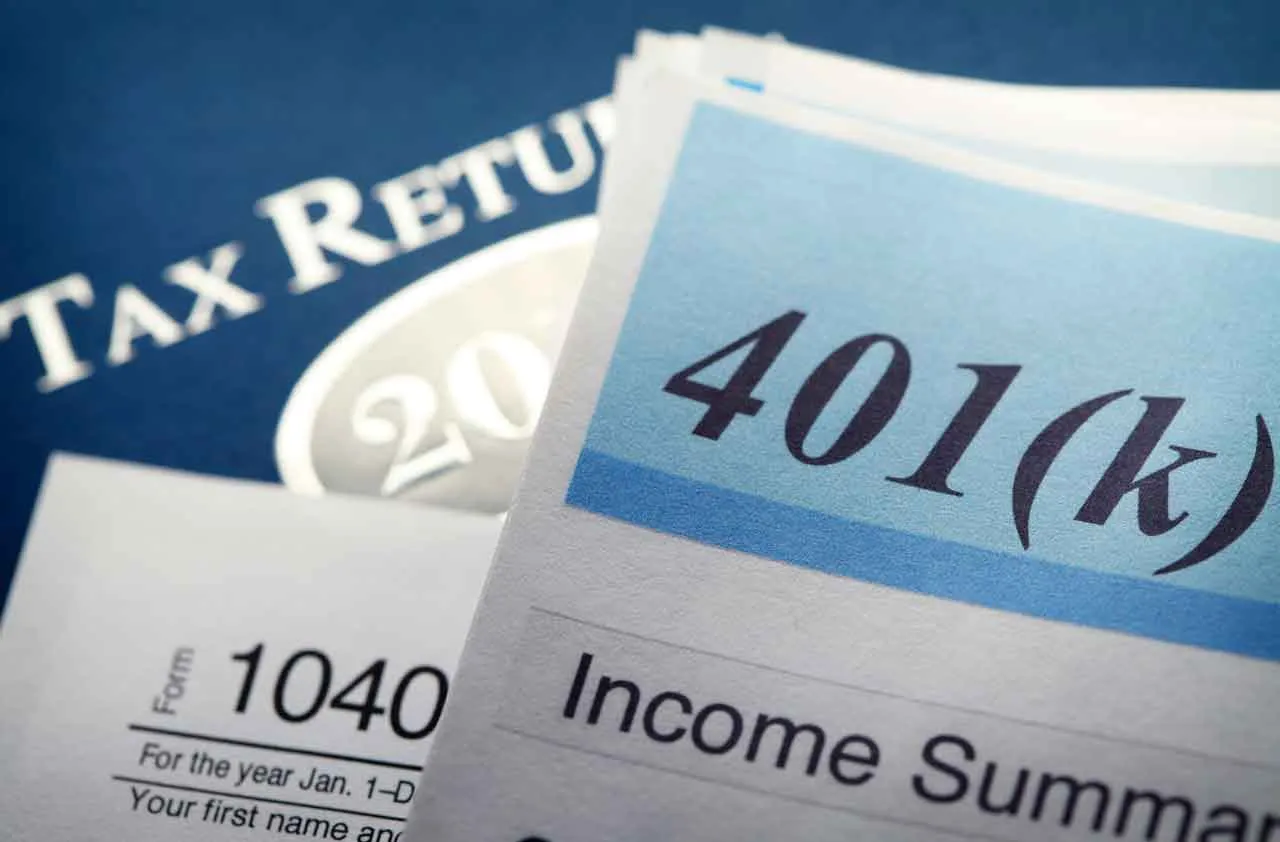
Ex-Workers Get More Time to Repay 401(k) Loans
If you leave your job while you have an outstanding 401(k) loan, Uncle Sam now gives you extra time to repay it -- thanks to the new tax law.
Profit and prosper with the best of Kiplinger's advice on investing, taxes, retirement, personal finance and much more. Delivered daily. Enter your email in the box and click Sign Me Up.
You are now subscribed
Your newsletter sign-up was successful
Want to add more newsletters?
Delivered daily
Kiplinger Today
Profit and prosper with the best of Kiplinger's advice on investing, taxes, retirement, personal finance and much more delivered daily. Smart money moves start here.
Sent five days a week
Kiplinger A Step Ahead
Get practical help to make better financial decisions in your everyday life, from spending to savings on top deals.
Delivered daily
Kiplinger Closing Bell
Get today's biggest financial and investing headlines delivered to your inbox every day the U.S. stock market is open.
Sent twice a week
Kiplinger Adviser Intel
Financial pros across the country share best practices and fresh tactics to preserve and grow your wealth.
Delivered weekly
Kiplinger Tax Tips
Trim your federal and state tax bills with practical tax-planning and tax-cutting strategies.
Sent twice a week
Kiplinger Retirement Tips
Your twice-a-week guide to planning and enjoying a financially secure and richly rewarding retirement
Sent bimonthly.
Kiplinger Adviser Angle
Insights for advisers, wealth managers and other financial professionals.
Sent twice a week
Kiplinger Investing Weekly
Your twice-a-week roundup of promising stocks, funds, companies and industries you should consider, ones you should avoid, and why.
Sent weekly for six weeks
Kiplinger Invest for Retirement
Your step-by-step six-part series on how to invest for retirement, from devising a successful strategy to exactly which investments to choose.
Question: I heard that the new tax law changed the amount of time I have after leaving my job to pay back a 401(k) loan. What are the rules now for borrowing from your 401(k)?
Answer: The new tax law changed the deadline for repayment after you leave your job starting in 2018. In the past, you generally had only 60 days to repay the loan or else you’d have to pay income taxes on the money as if it was a withdrawal (and a 10% early-withdrawal penalty if you left your job before age 55).
But under the Tax Cuts and Jobs Act, you don’t have to pay taxes or the penalty if you repay the loan by the due date of your tax return for the year when you leave your job (including extensions). For example, if you leave your job in 2019, you’d have until April 15, 2020, to repay the loan (or October 15, 2020, if you file an extension). However, taking advantage of this extended time frame to repay could lead to complications if you’d like to roll over your 401(k) balance to a new employer’s plan, says Michael Weddell, director of retirement at benefits consultant Willis Towers Watson.
From just $107.88 $24.99 for Kiplinger Personal Finance
Become a smarter, better informed investor. Subscribe from just $107.88 $24.99, plus get up to 4 Special Issues

Sign up for Kiplinger’s Free Newsletters
Profit and prosper with the best of expert advice on investing, taxes, retirement, personal finance and more - straight to your e-mail.
Profit and prosper with the best of expert advice - straight to your e-mail.
You can generally borrow up to half of your 401(k) balance, but no more than $50,000. Most plans charge the prime rate plus 1 percentage point for the loan, which as of mid February would add up to 6.50%. You generally have five years to pay back the loan while you’re still working for that employer or longer if the 401(k) loan is to buy your primary residence. Most plans give employees 10 to 15 years to repay a loan for a primary residence, although some plans have deadlines as short as five years or as long as 30 years, says Weddell.
If you do take a 401(k) loan, try to keep contributing to your 401(k) while you’re paying back the loan so you can continue to receive any employer match and to minimize the hit to your long-term savings. You borrow your own money and pay the interest back into your account. But you will lose the opportunity for investment gains on the borrowed money while it’s out of the account. Just because you had to take a loan, Weddell says, is no reason to give up on saving for retirement and earning an employer match.
Profit and prosper with the best of Kiplinger's advice on investing, taxes, retirement, personal finance and much more. Delivered daily. Enter your email in the box and click Sign Me Up.

As the "Ask Kim" columnist for Kiplinger's Personal Finance, Lankford receives hundreds of personal finance questions from readers every month. She is the author of Rescue Your Financial Life (McGraw-Hill, 2003), The Insurance Maze: How You Can Save Money on Insurance -- and Still Get the Coverage You Need (Kaplan, 2006), Kiplinger's Ask Kim for Money Smart Solutions (Kaplan, 2007) and The Kiplinger/BBB Personal Finance Guide for Military Families. She is frequently featured as a financial expert on television and radio, including NBC's Today Show, CNN, CNBC and National Public Radio.
-
Dow Leads in Mixed Session on Amgen Earnings: Stock Market TodayThe rest of Wall Street struggled as Advanced Micro Devices earnings caused a chip-stock sell-off.
-
How to Watch the 2026 Winter Olympics Without OverpayingHere’s how to stream the 2026 Winter Olympics live, including low-cost viewing options, Peacock access and ways to catch your favorite athletes and events from anywhere.
-
Here’s How to Stream the Super Bowl for LessWe'll show you the least expensive ways to stream football's biggest event.
-
Key 2025 Tax Changes for Parents in Trump's MegabillTax Changes Are you a parent? The so-called ‘One Big Beautiful Bill’ (OBBB) impacts several key tax incentives that can affect your family this year and beyond.
-
I'm a Financial Planner: Here Are Five Lesser-Known Ways to Avoid Estate TaxThe clock is ticking on the estate and gift tax provisions in the Tax Cuts and Jobs Act, so the sooner you act on removing assets from your estate, the better.
-
The Future of Opportunity Zones: Outlook for 2025 and BeyondThere are three potential paths forward for this innovative tax incentive program that's set to expire in 2026.
-
First 100 Days: Trump's Impact on Your FinancesHere are some opportunities to consider regarding investing, interest rates and tax cuts as the financial landscape shifts under the new administration.
-
The Clock Is Ticking on Tax Cuts: Act Now to Avoid Missing OutEstate and gift tax exemptions are at an all-time high until the end of 2025. That may seem like a long way off, but setting things up could take longer than expected.
-
Plan Now, Save on Taxes Later: Tax Law Reset Is ComingDon’t let the sunsetting of provisions in the Tax Cuts and Jobs Act catch you off guard. Here are some ways to take advantage of lower tax rates now.
-
What You Can Do Now to Avoid Paying Higher Taxes in 2026Tax rates are set to increase once the Tax Cuts and Jobs Act sunsets at the end of 2025, but steps you take now could put you in a better financial position.
-
Year-End Tax Planning for a Financially Healthier RetirementGetting your tax ducks in a row for the end of the year can decrease your tax liability and make the most of your income, now and in retirement.