How Scammers Can Steal Your iTunes Gift Cards
Don't get conned into giving out the 16-digit codes over the phone.

You are now subscribed
Your newsletter sign-up was successful
Want to add more newsletters?

Delivered daily
Kiplinger Today
Profit and prosper with the best of Kiplinger's advice on investing, taxes, retirement, personal finance and much more delivered daily. Smart money moves start here.

Sent five days a week
Kiplinger A Step Ahead
Get practical help to make better financial decisions in your everyday life, from spending to savings on top deals.

Delivered daily
Kiplinger Closing Bell
Get today's biggest financial and investing headlines delivered to your inbox every day the U.S. stock market is open.

Sent twice a week
Kiplinger Adviser Intel
Financial pros across the country share best practices and fresh tactics to preserve and grow your wealth.

Delivered weekly
Kiplinger Tax Tips
Trim your federal and state tax bills with practical tax-planning and tax-cutting strategies.

Sent twice a week
Kiplinger Retirement Tips
Your twice-a-week guide to planning and enjoying a financially secure and richly rewarding retirement

Sent bimonthly.
Kiplinger Adviser Angle
Insights for advisers, wealth managers and other financial professionals.

Sent twice a week
Kiplinger Investing Weekly
Your twice-a-week roundup of promising stocks, funds, companies and industries you should consider, ones you should avoid, and why.

Sent weekly for six weeks
Kiplinger Invest for Retirement
Your step-by-step six-part series on how to invest for retirement, from devising a successful strategy to exactly which investments to choose.
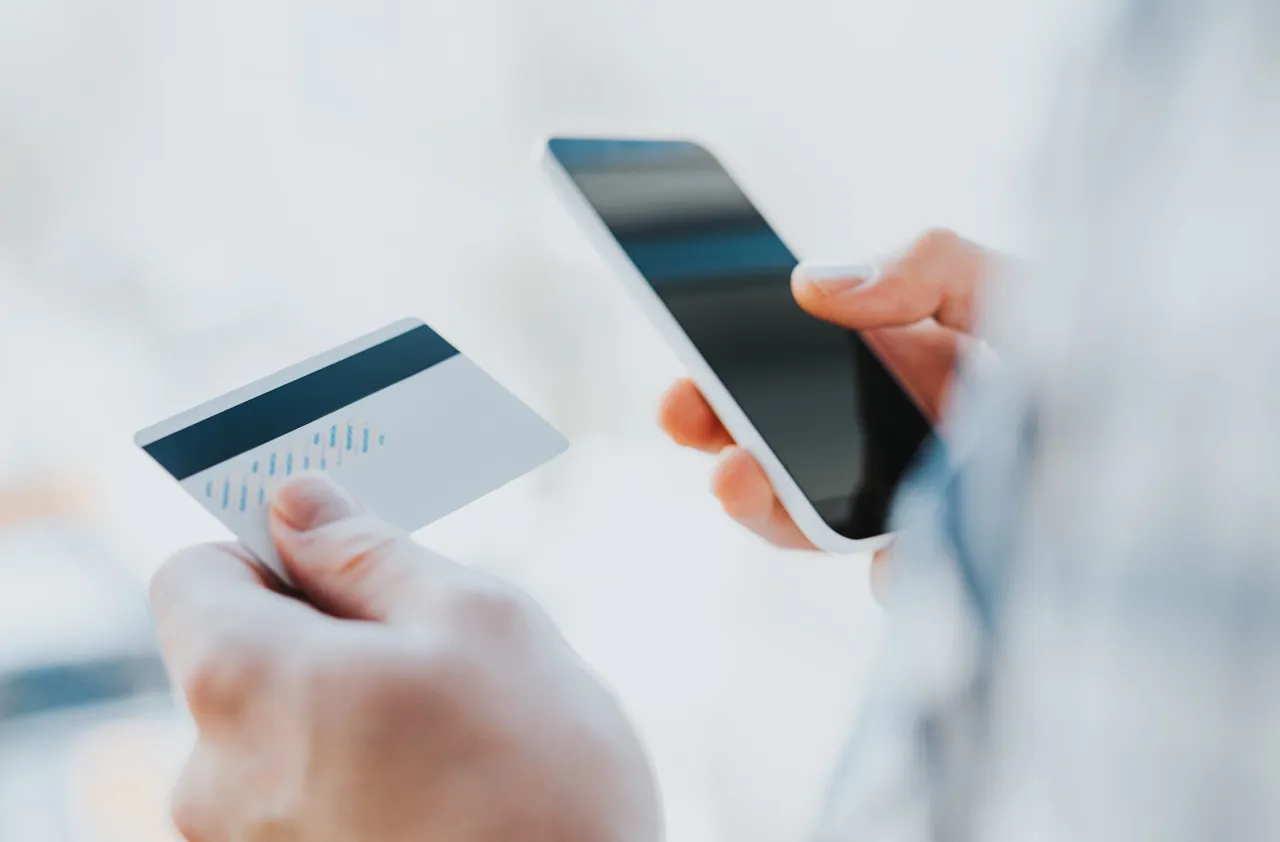
While Apple fans line up to get their hands on the new iPhone 7, scammers are lining up to steal your iTunes gift cards.
The popular gift cards are sold everywhere, from convenience stores and supermarkets to warehouse clubs and websites. I buy my iTunes gift cards at a discount at Costco. A four-pack of $25 gift cards sells for about $84, 16% below face value. I immediately take them home, scratch off the numeric shield that hides a card’s 16-digit code, and transfer the value to my iTunes account. Whenever I make digital purchases at iTunes, iBooks, Apple Music or Apple’s App Store, the amount is deducted from my account.
It turns out con artists are fans of iTunes gift cards, too.
From just $107.88 $24.99 for Kiplinger Personal Finance
Become a smarter, better informed investor. Subscribe from just $107.88 $24.99, plus get up to 4 Special Issues

Sign up for Kiplinger’s Free Newsletters
Profit and prosper with the best of expert advice on investing, taxes, retirement, personal finance and more - straight to your e-mail.
Profit and prosper with the best of expert advice - straight to your e-mail.
Apple, the Federal Trade Commission and the Internal Revenue Service are warning consumers to hang up on callers demanding immediate payment of fictitious debts using iTunes gift cards. The scammers spin a variety of tales about back taxes, overdue utility bills, or relatives in trouble to trick you into running out to buy gift cards and then divulging the 16-digit codes over the phone.
Here’s the bottom line from Apple: You should never use iTunes gift cards to make payments for anything other than membership to and products from iTunes, iBooks, Apple Music and Apple’s App Store. If you hand over the card codes, the scammers will use them to buy Apple products for themselves or sell the codes on the black market. Either way, your money is gone forever.
In the latest twist on this con, the IRS says sophisticated scammers are even using robo-callers to play automated messages that threaten victims with legal action if they don’t call back to settle bogus debts with gift cards. According to the IRS, demand for payment with a gift card is a clear sign of a scam. Further, the IRS always contacts taxpayers by mail about unpaid taxes, and its agents will never demand immediate payment over the phone.
In addition to iTunes gift cards, the FTC says other payment methods that con artists are asking for include Amazon gift cards, PayPal, and reloadable cards including MoneyPak, Reloadit and Vanilla. Scammers also might request that money be wired via Western Union or MoneyGram. The FTC says legitimate government officials do not demand payments by these methods.
If you receive a phone call insisting on payment by iTunes gift card (or something similar), hang up. I take the extra step of blocking that number in my iPhone contacts. If the caller claimed to be with the IRS, file a report on the IRS Impersonation Scam Reporting web page. You can also file scam reports on the FTC Complaint Assistant web page.

-
 How to Turn Your 401(k) Into A Real Estate Empire
Tapping your 401(k) to purchase investment properties is risky, but it could deliver valuable rental income in your golden years.
-
 My First $1 Million: Retired Nuclear Plant Supervisor, 68
Ever wonder how someone who's made a million dollars or more did it? Kiplinger's My First $1 Million series uncovers the answers.
-
 How to Position Investments to Minimize Taxes for Your Heirs
To minimize your heirs' tax burden, focus on aligning your investment account types and assets with your estate plan, and pay attention to the impact of RMDs.


-
 The 'Scrooge' Strategy: How to Turn Your Old Junk Into a Tax Deduction
Tax Deductions We break down the IRS rules for non-cash charitable contributions. Plus, here's a handy checklist before you donate to charity this year.
-
 Costco Gold Bars Keep Selling Out. Are They a Smart Investment?
How Costco's bullion program works, how to get the best deal and whether it makes sense for investors.
-
 Seven Things You Should Do Now if You Think Your Identity Was Stolen
If you suspect your identity was stolen, there are several steps you can take to protect yourself, but make sure you take action fast.
-
 The 8 Financial Documents You Should Always Shred
Identity Theft The financial documents piling up at home put you at risk of fraud. Learn the eight types of financial documents you should always shred to protect yourself.
-
 How to Guard Against the New Generation of Fraud and Identity Theft
Identity Theft Fraud and identity theft are getting more sophisticated and harder to spot. Stay ahead of the scammers with our advice.
-
 12 Ways to Protect Yourself From Fraud and Scams
Identity Theft Think you can spot the telltale signs of frauds and scams? Follow these 12 tips to stay safe from evolving threats and prevent others from falling victim.
-
 Watch Out for These Travel Scams This Summer
Identity Theft These travel scams are easy to fall for and could wreck your summer. Take a moment to read up on the warning signs and simple ways to protect yourself.
-
 I Live Next to a Costco Business Center. Here Are 5 Things You Won't Find at a Costco Wholesale
You don't need to own a business to shop at a Costco Business Center. Here are five reasons to visit the one near you.


