The Fed Is Buying ETFs. Now What?
The Federal Reserve's plan to hoover up $750 billion in bond funds could have some serious long-term consquences.

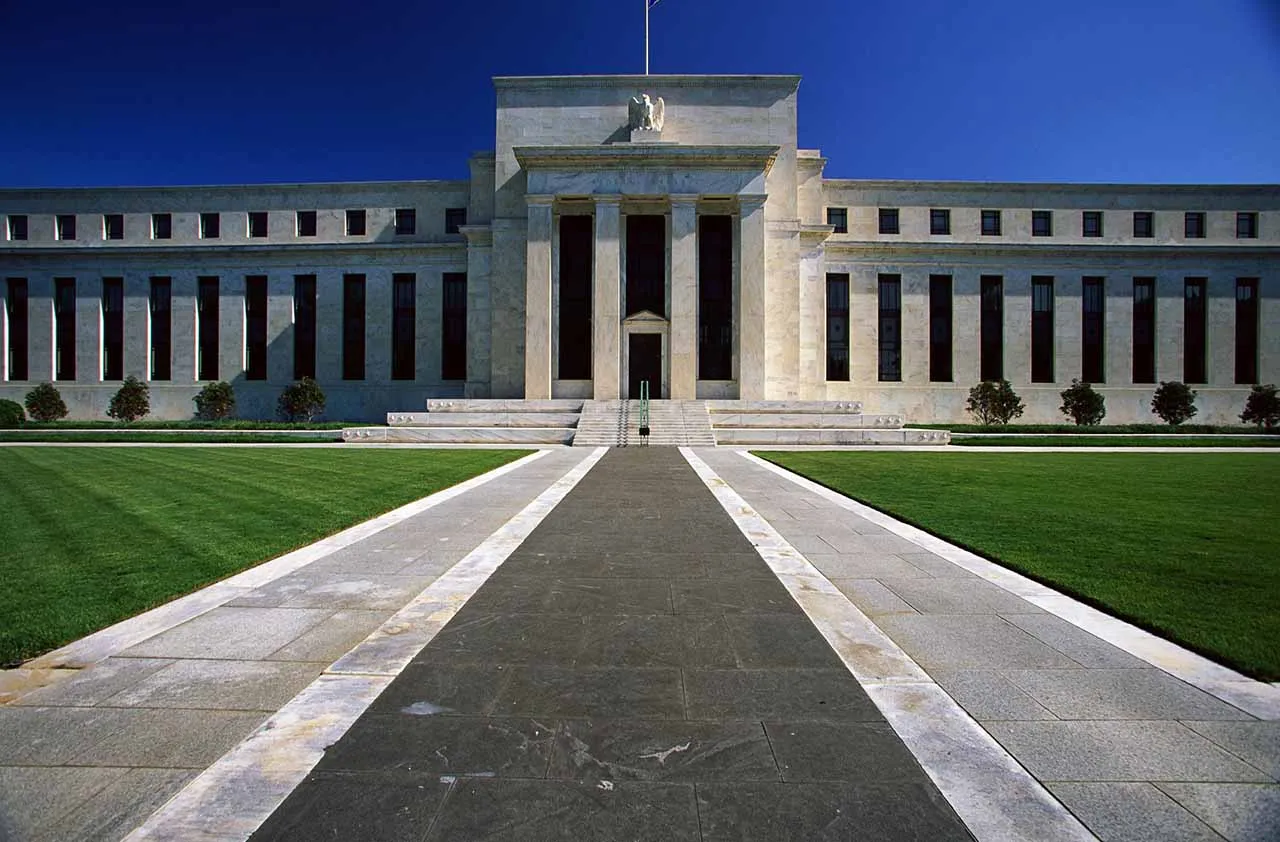
It's official. The Federal Reserve is now buying bond exchange-traded funds (ETFs).
Specifically, as part of the stimulus effort to counteract the effects of the coronavirus lockdowns, the Treasury gave the Fed $75 billion, which the Fed will in turn leverage 10-to-1 to buy $750 billion in corporate debt. Some of that figure will be in the form of corporate bond ETFs and even junk bond funds.
In a lot of ways, this is no big deal; it's essentially just the next logical progression of the Fed's traditional open-market operations.
From just $107.88 $24.99 for Kiplinger Personal Finance
Become a smarter, better informed investor. Subscribe from just $107.88 $24.99, plus get up to 4 Special Issues

Sign up for Kiplinger’s Free Newsletters
Profit and prosper with the best of expert advice on investing, taxes, retirement, personal finance and more - straight to your e-mail.
Profit and prosper with the best of expert advice - straight to your e-mail.
But in a few critical ways, this really is a major policy shift – one that potentially makes a major weakness in the bond ETF space even more dangerous.
Why Is the Fed Buying ETFs?
The Fed has bought and sold trillions of dollars of Treasury and agency debt over the years, yet they've never dabbled in ETFs.
So, why now?
The answer here is pretty simple. The Fed essentially has the same issue that other passive indexers do. They're looking to get exposure to the corporate bond market as a whole, but not necessarily to any single company. The Fed isn't a bond fund manager. Nor does it have the interest or the inclination to research the credit worthiness of individual bond issuers.
Furthermore, there's a political element. The Fed needs to maintain its image of neutrality and can't be seen as favoring individual companies. The last thing Fed Chair Jerome Powell needs is to face a congressional firing squad over his decision to buy – or not buy – the bonds of a controversial or politically incorrect company.
Buying passive bond index ETFs – and having BlackRock (BLK) manage the endeavor – extricates the Fed from that situation.
Why Is This Bad?
The Fed's ostensible reason for buying corporate bonds was to improve liquidity in the bond market. During the March rout, the credit markets seized up. Liquidity disappeared, and bond prices dropped like a rock.
By jumping into corporate bonds, the Fed is looking to keep the market orderly and functioning. That sounds great, but here's the problem: By purchasing the bond ETFs rather than the bonds themselves, the Fed actually makes an existing problem worse.
"Bond ETFs create a false sense of liquidity," says Mario Randholm of Randholm & Co., a money manager with clients in Europe and South America. "The ETFs themselves are extremely liquid and even trade on the NYSE and other major exchanges. But the bonds they own are not. Liquidity in the ETF is not the same thing as (liquidity in the underlying bonds)."
Exchange-traded funds are an attractive vehicle because you can create and destroy shares as demand warrants. When there is more demand for an ETF than current inventory can support, large institutional investors create new shares by buying up the underlying holdings and bundling them into new creation units. When demand for the ETF falls, the institutional investors can break apart shares of the ETFs and sell the underlying holdings.
How is the Fed going to unwind three quarters of a trillion dollars in corporate bonds? How could they unload these bond ETFs without crushing bond prices?
No one knows, and that's exactly the problem. The Fed is about to become the largest lender to corporate America, and unwinding this might be impossible.
What Does This Mean for Stocks?
In the capital markets, a rising tide lifts all boats. By hoovering up hundreds of billions of dollars in bonds, the Fed is essentially freeing up capital that will have nowhere else to go but to the stock market.
This isn't news, of course. The Fed's interventions and the promises of more interventions are the primary reason that the stock market has been on fire since late March.
It remains to be seen how far this trend goes. The Fed's interventions were a major driver of the 2009-20 bull market. Some would argue they were the biggest driver, in fact.
And as a general rule, it's a bad idea to fight the Fed. It has a bigger wallet than you.
