A Top Economist's Financial Rules to Live By
Author Alan Krueger's high school textbook offers financial lessons for all of us.
Profit and prosper with the best of Kiplinger's advice on investing, taxes, retirement, personal finance and much more. Delivered daily. Enter your email in the box and click Sign Me Up.
You are now subscribed
Your newsletter sign-up was successful
Want to add more newsletters?
Delivered daily
Kiplinger Today
Profit and prosper with the best of Kiplinger's advice on investing, taxes, retirement, personal finance and much more delivered daily. Smart money moves start here.
Sent five days a week
Kiplinger A Step Ahead
Get practical help to make better financial decisions in your everyday life, from spending to savings on top deals.
Delivered daily
Kiplinger Closing Bell
Get today's biggest financial and investing headlines delivered to your inbox every day the U.S. stock market is open.
Sent twice a week
Kiplinger Adviser Intel
Financial pros across the country share best practices and fresh tactics to preserve and grow your wealth.
Delivered weekly
Kiplinger Tax Tips
Trim your federal and state tax bills with practical tax-planning and tax-cutting strategies.
Sent twice a week
Kiplinger Retirement Tips
Your twice-a-week guide to planning and enjoying a financially secure and richly rewarding retirement
Sent bimonthly.
Kiplinger Adviser Angle
Insights for advisers, wealth managers and other financial professionals.
Sent twice a week
Kiplinger Investing Weekly
Your twice-a-week roundup of promising stocks, funds, companies and industries you should consider, ones you should avoid, and why.
Sent weekly for six weeks
Kiplinger Invest for Retirement
Your step-by-step six-part series on how to invest for retirement, from devising a successful strategy to exactly which investments to choose.
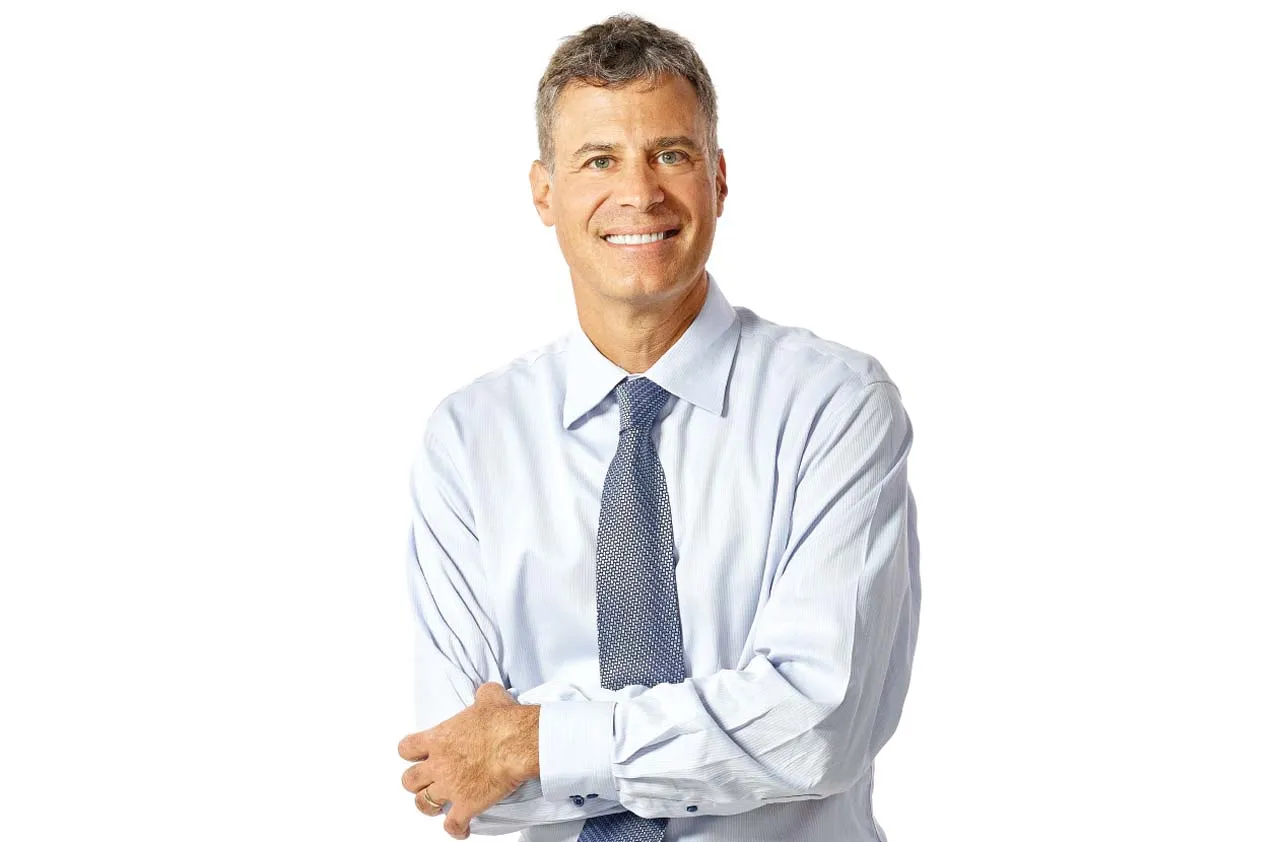
Kiplinger's spoke with Alan Krueger, a professor of economics and public affairs at Princeton University and author of Explorations in Economics, about common money misthaps. Here's an excerpt from our interview:
What are the most common financial mistakes people make?
There are two in particular. The first is the tendency to choose smaller rewards in the near term at the expense of a larger long-term goal. That’s partly why people save too little for the future. It’s described in my book as being impatient, not forward-looking enough. Second, people, especially men, tend to be overconfident. This could lead to not diversifying investments enough or trading too much.
From just $107.88 $24.99 for Kiplinger Personal Finance
Become a smarter, better informed investor. Subscribe from just $107.88 $24.99, plus get up to 4 Special Issues

Sign up for Kiplinger’s Free Newsletters
Profit and prosper with the best of expert advice on investing, taxes, retirement, personal finance and more - straight to your e-mail.
Profit and prosper with the best of expert advice - straight to your e-mail.
How can people avoid those mistakes?
It’s hard to teach people to be rational. So it’s important to teach habits. Instead of going through the steps of decision-making, people can adopt habits that automatically work for them. Or we can set defaults so that, without making a conscious choice, people do things in their best interest. Examples of defaults include automatically enrolling employees in 401(k) savings plans, or putting money in a target-date fund, in which the portfolio mix changes appropriately as people age.
Are there rules of thumb that can help?
Yes, that’s what I mean by habits. We’re asking a lot, teaching financial decision-making to 17-year-olds and then expecting them to remember and apply what they learned 15 to 20 years later. By contrast, you don’t have to think about rules of thumb. Don’t spend more than one-third of your budget on housing. Keep separate accounts for business and personal expenses. Buy insurance for costly things, such as health care or a car, but not for small risks than can be covered out of pocket. Put money aside for a rainy day. You don’t need to know the formula for compound interest to know that if you start early, your savings grow more quickly.
What’s the primary takeaway from your textbook?
That economics is a framework for making good decisions.
What resonates most with high school students?
They like the examples. There’s the truly inspiring story of Oseola McCarty, a cleaning woman who worked hard every day of her life, lived within her means and put aside enough money to donate $150,000 to the University of Southern Mississippi so that other people wouldn’t have to work as hard as she did. By contrast, William “Bud” Post won $16 million in the Pennsylvania lottery and died penniless. It just shows you that the decisions people make have enormous consequences.
Profit and prosper with the best of Kiplinger's advice on investing, taxes, retirement, personal finance and much more. Delivered daily. Enter your email in the box and click Sign Me Up.

Anne Kates Smith brings Wall Street to Main Street, with decades of experience covering investments and personal finance for real people trying to navigate fast-changing markets, preserve financial security or plan for the future. She oversees the magazine's investing coverage, authors Kiplinger’s biannual stock-market outlooks and writes the "Your Mind and Your Money" column, a take on behavioral finance and how investors can get out of their own way. Smith began her journalism career as a writer and columnist for USA Today. Prior to joining Kiplinger, she was a senior editor at U.S. News & World Report and a contributing columnist for TheStreet. Smith is a graduate of St. John's College in Annapolis, Md., the third-oldest college in America.
-
Here’s How to Stream the Super Bowl for LessWe'll show you the least expensive ways to stream football's biggest event.
-
The Cost of Leaving Your Money in a Low-Rate AccountWhy parking your cash in low-yield accounts could be costing you, and smarter alternatives that preserve liquidity while boosting returns.
-
I want to sell our beach house to retire now, but my wife wants to keep it.I want to sell the $610K vacation home and retire now, but my wife envisions a beach retirement in 8 years. We asked financial advisers to weigh in.
-
9 Types of Insurance You Probably Don't NeedFinancial Planning If you're paying for these types of insurance, you may be wasting your money. Here's what you need to know.
-
10 Retirement Tax Plan Moves to Make Before December 31Retirement Taxes Proactively reviewing your health coverage, RMDs and IRAs can lower retirement taxes in 2025 and 2026. Here’s how.
-
The Rubber Duck Rule of Retirement Tax PlanningRetirement Taxes How can you identify gaps and hidden assumptions in your tax plan for retirement? The solution may be stranger than you think.
-
Money for Your Kids? Three Ways Trump's ‘Big Beautiful Bill’ Impacts Your Child's FinancesTax Tips The Trump tax bill could help your child with future education and homebuying costs. Here’s how.
-
Key 2025 Tax Changes for Parents in Trump's MegabillTax Changes Are you a parent? The so-called ‘One Big Beautiful Bill’ (OBBB) impacts several key tax incentives that can affect your family this year and beyond.
-
Amazon Resale: Where Amazon Prime Returns Become Your Online BargainsFeature Amazon Resale products may have some imperfections, but that often leads to wildly discounted prices.
-
What Does Medicare Not Cover? Eight Things You Should KnowMedicare Part A and Part B leave gaps in your healthcare coverage. But Medicare Advantage has problems, too.
-
QCD Limit, Rules and How to Lower Your 2026 Taxable IncomeTax Breaks A QCD can reduce your tax bill in retirement while meeting charitable giving goals. Here’s how.