Why Renting These 5 Big-Ticket Items Beats Buying Them in Retirement
Think twice before dropping cash on high-maintenance toys. Here are five expensive items retirees are far better off renting than buying.


Travel the country in an RV. Build the wine cellar in the basement. Who doesn't have big dreams for when they retire? But instead of paying for these items outright, like so many retirees do, the smarter approach may be to rent instead.
Just ask any RV owner who can't afford the gas. Or the homeowner who spent thousands on power tools for one project, only to never use them again.
Cash is king in retirement, and to keep more of yours, here are five things retirees are better off renting than buying.
From just $107.88 $24.99 for Kiplinger Personal Finance
Become a smarter, better informed investor. Subscribe from just $107.88 $24.99, plus get up to 4 Special Issues

Sign up for Kiplinger’s Free Newsletters
Profit and prosper with the best of expert advice on investing, taxes, retirement, personal finance and more - straight to your e-mail.
Profit and prosper with the best of expert advice - straight to your e-mail.
1. Recreational vehicles

Seeing the country from behind the wheel of an RV is the quintessential retirement dream. But buying an RV can quickly turn into a financial nightmare for several reasons. RVs are expensive to buy and maintain. Plus, they depreciate very quickly.
Let's not talk about insurance and ROI, or the number of times you'll have to use the RV to get your money's worth. To read more about what can go wrong with owning an RV, click here.
A cheaper option is to rent an RV. Options abound when it comes to renting, including:
-Peer-to-Peer services: Platforms including RVshare, Outdoorsy and RVezy let you rent an RV directly from private owners. RV options range from camper vans to Class A motorhomes, with rates ranging from $50 to $300 per night. This approach gives you the most options.
-Traditional Rentals: Rental companies including Cruise America, Indie Campers and El Monte RV let you rent a range of RVs in locations across the country. Some let you rent it in one location and drop it off in another. Rates range from $80 to $250 per night.
2. Recreational boats

Number two on many retirees' lists, especially for snowbirds or those who retire to Florida full-time, is recreational boats. What better way to soak up the sun? But like an RV, recreational boats come with many costs, starting with the hefty price tag.
At last check, the average new power boat costs $25,000 to $150,000. Add maintenance, docking and fuel to the mix, and owning a boat can cost you $2,500 to $15,000 per year.
A luxury cruise, on the other hand, would cost about $5,500 per person. Even if you wanted to rent your own private yacht, that would set you back $50,000 for a week at sea. Do that four times a year for ten years, and you are still ahead in savings versus owning a boat for the same time period. But for modest retirees, you can rent pontoons, fishing boats, speedboats, sailboats, and yachts ranging from around $200 to $10,000 a day or $1,000 to $50,000 a week.
GetMyBoat, Boatsetter and Click&Boat are P2P marketplaces for renting boats, while MarineMax, Freedom Boat Club and United Yacht Sales let you rent boats directly. There are also local marinas, boat clubs and waterfront charter operators you can rent from.
3. Vacation homes

Diversifying your portfolio, building generational wealth and having a place where everyone can gather are all wonderful reasons to buy a vacation home in retirement.
But sometimes those dreams don't pan out. Your kids may not want to visit that often. Upkeep can become a headache, and instead of building wealth, the second property can start to drain your cash flow.
Another option is to rent a vacation home instead of owning one. By renting, you save on property taxes, insurance and ongoing maintenance. You can also potentially choose a different location for every trip. Even if you want to visit the same place over and over, there are benefits to renting instead of owning in retirement, including:
-More financial flexibility: Your capital stays invested in liquid assets like stocks or high-yield savings rather than tied up in real estate.
-No off-season stress: You don't have to worry about the home when it's vacant.
-Avoid HOA fees or Special Assessments: You avoid costly homeowner association dues and surprise repairs for shared amenities like roofs or pools. The average median monthly HOA fee in America is $135, but more than 3 million residents pay more than $500 per month.
-You're not stuck: If your health changes, you can easily get rid of the rental. You don't have to worry about selling a property.
4. Power tools
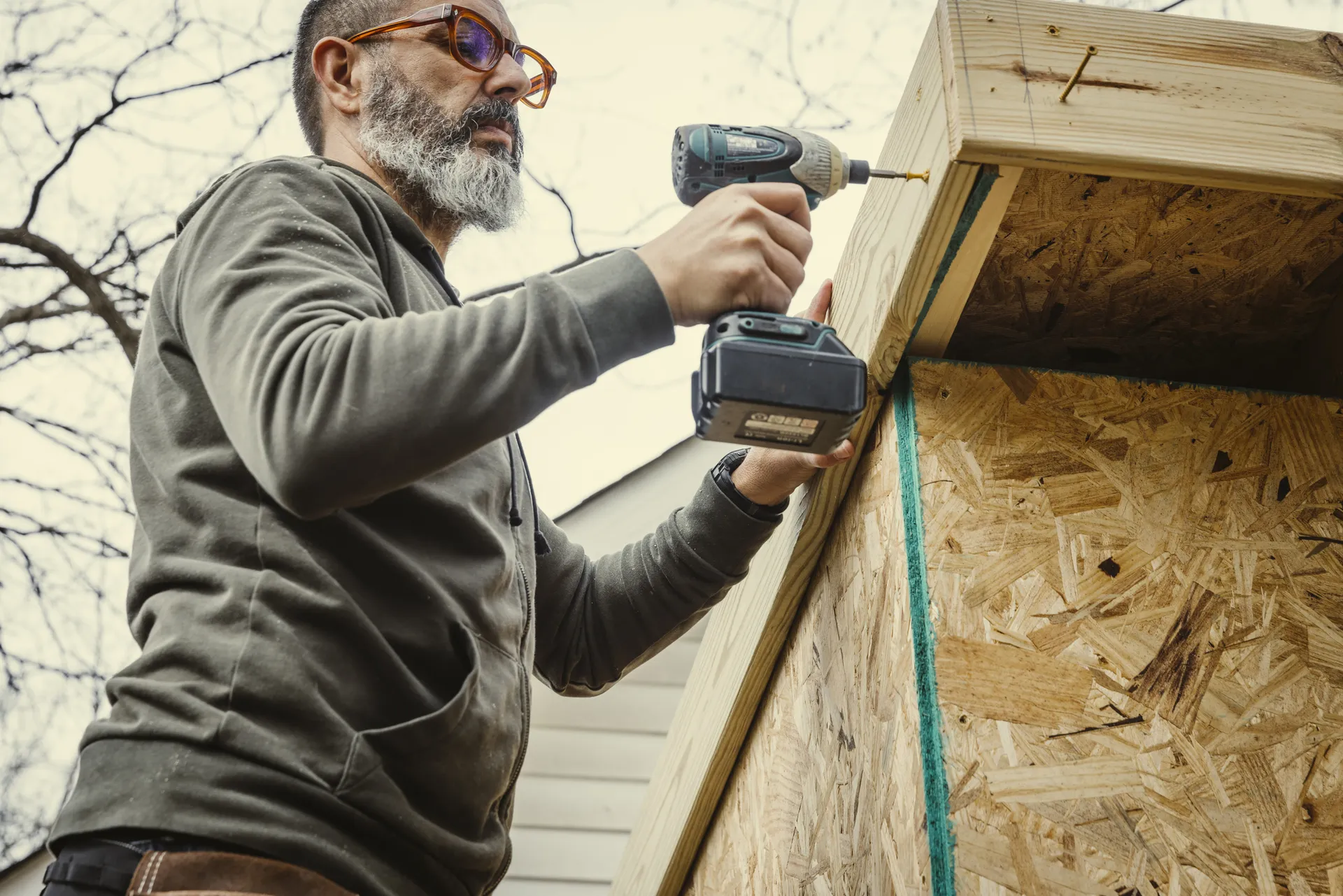
Who doesn't have a list of home improvements they plan to complete when they finally retire? Maybe it's the wine cellar, the she-shed, or the flower boxes for the garden. And what respectable home improvement project wouldn't be complete without a set of new tools?
But new tools can set you back hundreds, if not thousands, of dollars. After all, a high-end remodeling miter saw costs up to $1,000, while a heavy-duty rotary hammer drill can set you back up to $1,100. Meanwhile, a commercial paint sprayer can be as much as $1,200. That's a lot of money you've spent before you even spend on supplies.
A cheaper option is to rent the tools you need or, even better, borrow them from your local library. Granted, your choices will be limited with the latter option, but libraries across the nation let you borrow everything from power drills to power washers, and all you need is a library card.
As for rentals, Lowes, Home Depot, and local tool rental companies let you rent power tools for the day or week. Renting a cordless hammer drill from Home Depot costs $29 a day, while a medium paint sprayer costs $104 a day.
5. Medical equipment
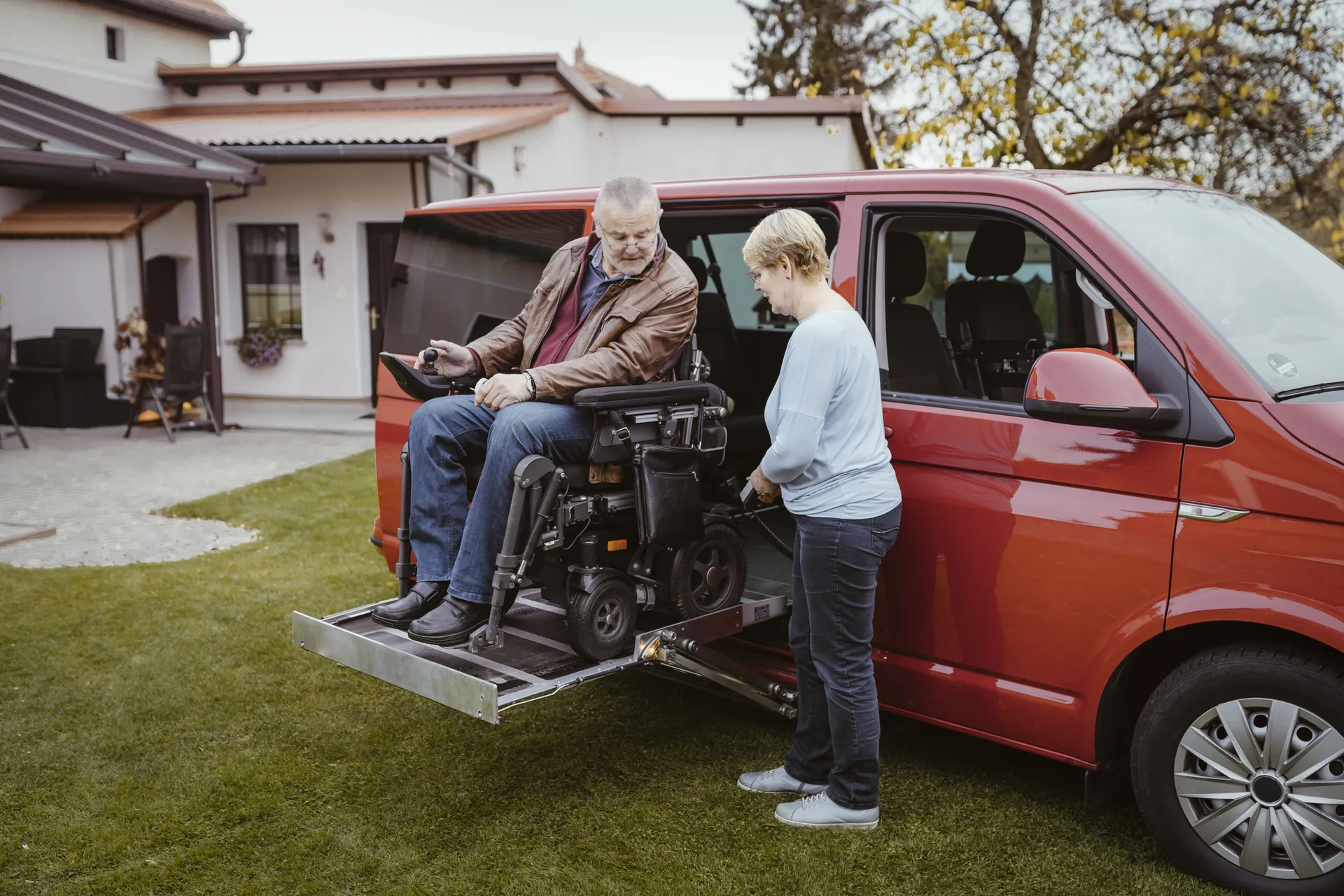
If an illness or injury in retirement requires short-term medical equipment, buying it outright can seem easier — no worrying about damages or monthly payments. However, renting can yield significant savings that outweigh those minor hassles, especially for equipment needed for less than a year that Medicare won't cover.
If you need equipment for less than a year, renting is cheaper than buying. Consider the pricing: The average cost for a wheelchair is $2,500, while a stair lift starts around $2,900. By comparison, renting a wheelchair costs $50 to $150 per month, depending on the model, and gives you the option of standard, lightweight or motorized. You can rent a stairlift for $300 to $500 per month, plus installation and removal fees.
You can rent wheelchairs and stairlifts through local durable medical equipment (DME) suppliers, national mobility equipment providers, and online medical rental services.
Preserve you time, money and freedom
Retirement should be about enjoying your time and freedom, not worrying about asset depreciation, maintenance schedules, or high upfront costs. Whether it’s hitting the open road in an RV, getting to that remodeling project, or recovering from a temporary health setback, renting allows you to enjoy all the perks of ownership without the long-term financial burden. Before writing a big check, check your rental options first. Your nest egg will thank you!
Related Content