Your Beneficiaries Might Be Outdated. Here's How to Check
An outdated beneficiary designation can derail even a carefully considered estate plan. Here are the accounts to review and the life changes that should prompt an update.


Creating a will is an important part of estate planning, but it doesn't necessarily determine who receives every asset you own. Retirement accounts, life insurance policies and certain other financial accounts typically pass directly to the beneficiaries named on those accounts, regardless of what your will says.
That can create problems if beneficiary forms are missing or haven't been reviewed in years. The person you named when you first opened a retirement account at work, for example, might no longer be the person you want to inherit today.
Beneficiary designations aren't always part of the estate-planning conversation. A new Morning Consult survey conducted on behalf of Kiplinger for our Trillion Dollar Talk campaign found that just 36% of parents surveyed had designated beneficiaries on retirement accounts or life insurance policies. Another 30% said they had none of the formal estate-planning arrangements included in the survey.
From just $107.88 $24.99 for Kiplinger Personal Finance
Become a smarter, better informed investor. Subscribe from just $107.88 $24.99, plus get up to 4 Special Issues

Sign up for Kiplinger’s Free Newsletters
Profit and prosper with the best of expert advice on investing, taxes, retirement, personal finance and more - straight to your e-mail.
Profit and prosper with the best of expert advice - straight to your e-mail.
Fortunately, reviewing your beneficiaries is one of the more straightforward estate-planning tasks you can tackle. Here's where to look and when it might be time to make a change.
Know which accounts have beneficiaries
In the Trillion Dollar Talk survey, 17% of adult children said they expected life insurance to make up the greatest share of their inheritance. Retirement accounts were another source of expected inherited wealth.
Here are some accounts and financial products that allow or require you to name a beneficiary:
- 401(k)s and other workplace retirement plans. Money in these accounts generally passes to the beneficiary named on the plan.
- IRAs. Traditional and Roth IRAs also allow you to designate who will inherit the account.
- Life insurance policies. The insurer pays the death benefit to the beneficiary or beneficiaries listed on the policy.
- Annuities. Depending on the contract, an annuity might include a death benefit that passes to a designated beneficiary.
- Transfer-on-death (TOD) and payable-on-death (POD) accounts. These designations can allow assets in certain brokerage and bank accounts to pass directly to a named beneficiary without going through probate. Availability and rules vary by account, financial institution and state.
These accounts are different from assets that might be distributed through your will, trust or other estate-planning arrangements. A beneficiary designation is attached directly to the account, which is why keeping it current is so important.
Rules can also vary depending on the type of account. For example, with many employer-sponsored retirement plans, a spouse is generally required to be the primary beneficiary unless they waive that right. IRAs and life insurance policies typically provide more flexibility when choosing beneficiaries.
Check who is actually listed

Once you've made your list of accounts, check each one individually. Depending on the provider, you might be able to find your beneficiary information by logging in online. Otherwise, contact the plan administrator, insurance company, bank or brokerage firm.
Don't rely on your memory of filling out a beneficiary form years ago. Confirm what the financial institution has on file.
Look at both your primary beneficiary, who is first in line to receive the asset, and any contingent beneficiaries, who might receive it if the primary beneficiary dies before you, can't be located or declines the inheritance.
While you're there, make sure names and other identifying information are accurate and current. You should also look for accounts that don't have a beneficiary listed.
Pay extra attention to accounts you've moved between financial institutions. FINRA recommends double-checking beneficiary information after transferring an account to another firm to make sure the designation still reflects your wishes.
Life changes that should trigger a beneficiary review

Beneficiary designations shouldn't be something you fill out once and forget. Your relationships, finances and estate-planning goals can change significantly over the course of a decade or two.
Some of the biggest reasons to revisit your beneficiaries include:
- Getting married or divorced
- The death of a spouse or another beneficiary
- The birth or adoption of a child or grandchild
- Remarriage or the creation of a blended family
- Estrangement or another major change in a family relationship
- A beneficiary developing a disability or other circumstances that might require specialized planning
- A significant increase or decrease in your wealth
- Major changes to your broader estate plan
Even without a major life event, it's worth reviewing your beneficiary designations periodically. You might make the check part of an annual financial review, along with looking at your insurance coverage, investments and retirement contributions.
Don't assume your will fixes an outdated beneficiary

It's easy to assume that once you update your will, all your assets will follow those instructions. But that's not always how it works.
For accounts with a named beneficiary, such as a 401(k), IRA or life insurance policy, the beneficiary designation on the account generally takes priority over what your will says.
For example, say you named your spouse as the beneficiary of a retirement account years ago. You later divorce, remarry and update your will to leave your assets to your new spouse. But you never update that old retirement account. That outdated beneficiary designation could still create problems.
This is why it's worth reviewing beneficiary forms separately whenever you update your estate plan. If your situation involves divorce, remarriage or other complicated family circumstances, an estate-planning attorney can help everything line up.
Make sure your beneficiary choices fit your broader estate plan

Beneficiary forms might seem like standalone paperwork, but they should work with the rest of your estate plan.
Think about how your retirement accounts, life insurance, real estate and other assets will ultimately be divided. Looking at the full picture can help you spot imbalances, such as one child receiving a large retirement account while another receives significantly less through your will. Reviewing everything together can help ensure your beneficiary choices reflect how you want to provide for the people in your life.
Pay extra attention if you have minor children, a blended family, a trust or a beneficiary with special needs, since these situations might require additional planning. Don't forget contingent beneficiaries as well. Naming a backup helps clarify where an account should go if your primary beneficiary dies before you.
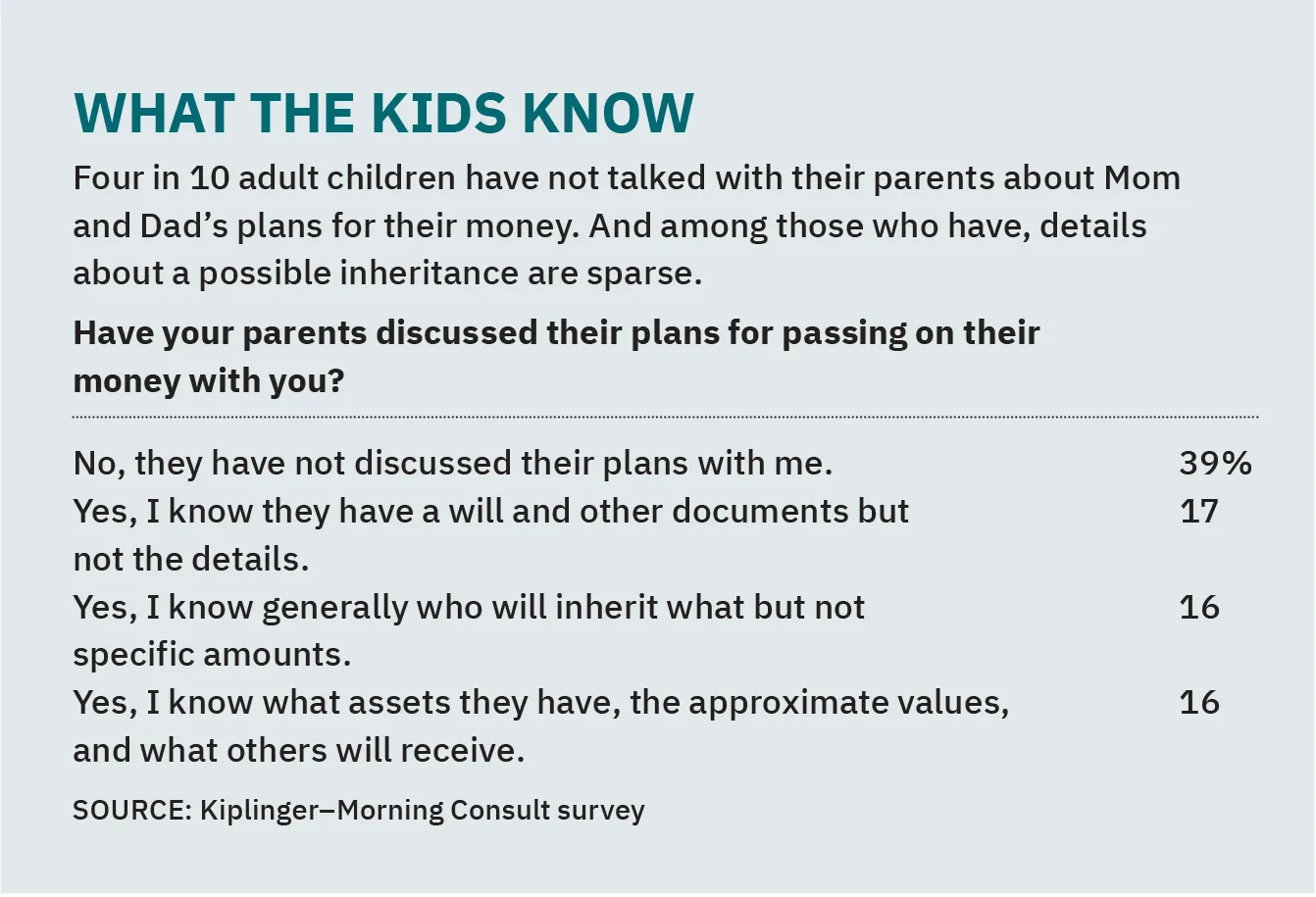
This type of planning also highlights the importance of talking about inheritance before it becomes an urgent issue. The Trillion Dollar Talk survey found that two in five families have never discussed inheritance, and 30% of parents surveyed had none of the formal estate-planning arrangements included in the survey. Even a basic conversation about your plans and where important documents are kept can make things easier for your family later.
Make a beneficiary check part of your financial routine
You don't have to overhaul your entire estate plan in one afternoon. Start with a simple task: Make a list of every retirement account, life insurance policy, annuity and other financial account that might have a beneficiary designation.
Then check the beneficiary listed on each one, including your contingent beneficiaries. Keep a record of any changes you make and when you made them.
Consider repeating the process once a year and after any major family or financial change. It can also be smart to review beneficiary designations whenever you update your will or other estate-planning documents so the different parts of your plan continue to work together.
If you have a more complicated estate, such as one involving trusts, a blended family, minor children or beneficiaries with special needs, consider coordinating your beneficiary review with an estate-planning attorney and your financial professional.
A beneficiary form might seem like a small piece of paperwork. But when it determines where some of your largest assets ultimately go, keeping it current can be just as important as creating the estate plan itself.
Use the tool below to connect with a financial professional who can help:
Related Content
- Life Insurance Beneficiary: What It Is and How It Works
- The Most Tax-Efficient Ways to Leave Investments to Your Children
- An Expert's Guide to the Estate Planning Documents Everyone Needs