Would You Take a Vacation Just to Sleep? Inside the Sleepcation Trend
Sleepcations are becoming a popular travel trend, but some hotel sleep packages come at a premium. Here's how to decide what's worth paying for.

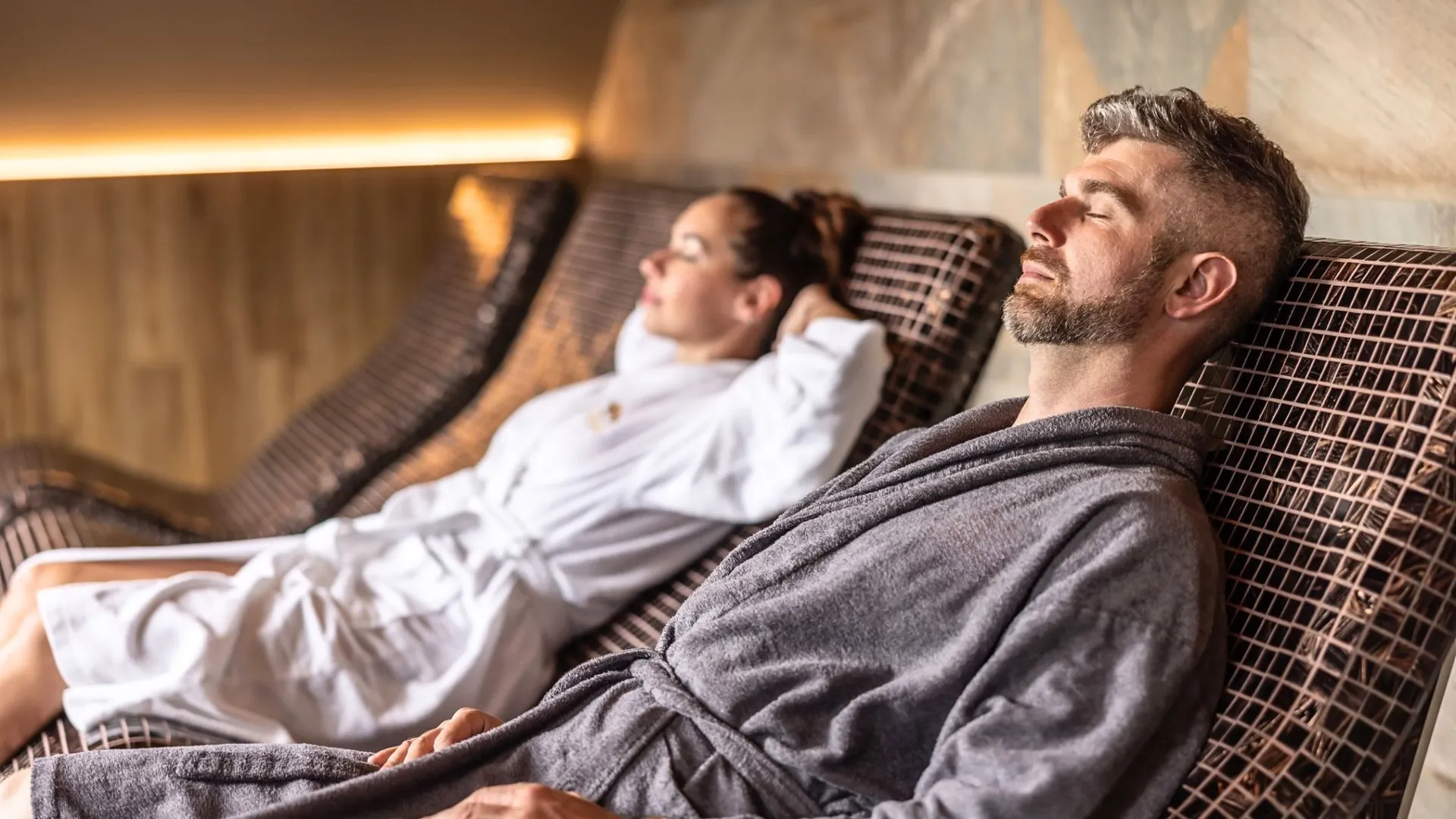
Forget sightseeing and shopping. These days, a growing number of travelers want to focus their vacation on something else: a good night's sleep. More than half of travelers surveyed by Kayak last year said they'd book a "sleepcation."
"It's the number-one travel trend we see," says Amanda Al-Masri, vice president of wellness at Hilton, which publishes a yearly trends report.
"It just keeps bubbling to the top. People see travel as a way to conscientiously think about sleep habits and getting rest, even if they're traveling with kids."
From just $107.88 $24.99 for Kiplinger Personal Finance
Become a smarter, better informed investor. Subscribe from just $107.88 $24.99, plus get up to 4 Special Issues

Sign up for Kiplinger’s Free Newsletters
Profit and prosper with the best of expert advice on investing, taxes, retirement, personal finance and more - straight to your e-mail.
Profit and prosper with the best of expert advice - straight to your e-mail.
But getting high-quality sleep outside of your own bed can be a challenge. "Travel disrupts many of the signals the body relies on to sleep well," says Mark Kovacs, CEO of the Kovacs Institute and former vice president of health and performance at wellness resort Canyon Ranch.
"When you change time zones, sleep in a new environment, eat at different times, drink more alcohol or caffeine, and expose yourself to unfamiliar noise or light, the body does not always know when it should be alert and when it should shut down."
In response, hotels and resorts are investing heavily in sleep-related technology and services designed to help guests combat stress, recover from travel fatigue and improve sleep quality while away from home.
At some Hilton resorts, guests now have access to amenities such as compression boots, yoga mats and air purifiers. Properties such as the Four Seasons San Francisco, Six Senses, and Carillon Miami have jumped on board the trend as well, with luxury-priced offerings such as dedicated sleep concierges and customized sleep programs.
"A lot of times they'll sell it as a ‘sleep suite,' so you're paying more than you would for a standard room," says Clint Henderson, managing editor of travel site The Points Guy. "But obviously, there's a market for it, because you're seeing these things proliferate."
The extra cost of a sleep suite's amenities can be substantial. At Equinox Hotel New York, for example, a stay in a traditional room in mid October starts at about $1,300 per night, while a stay in the "Sleep Lab," including an adaptive mattress (which responds to such factors as your heart rate and temperature to improve sleep comfort), personalized sleep and wake automation, and a steam and ice shower, costs about $1,800 per night.
Thinking of going on a sleepcation? Here's how to get the most value from your trip.
Choose your experience.
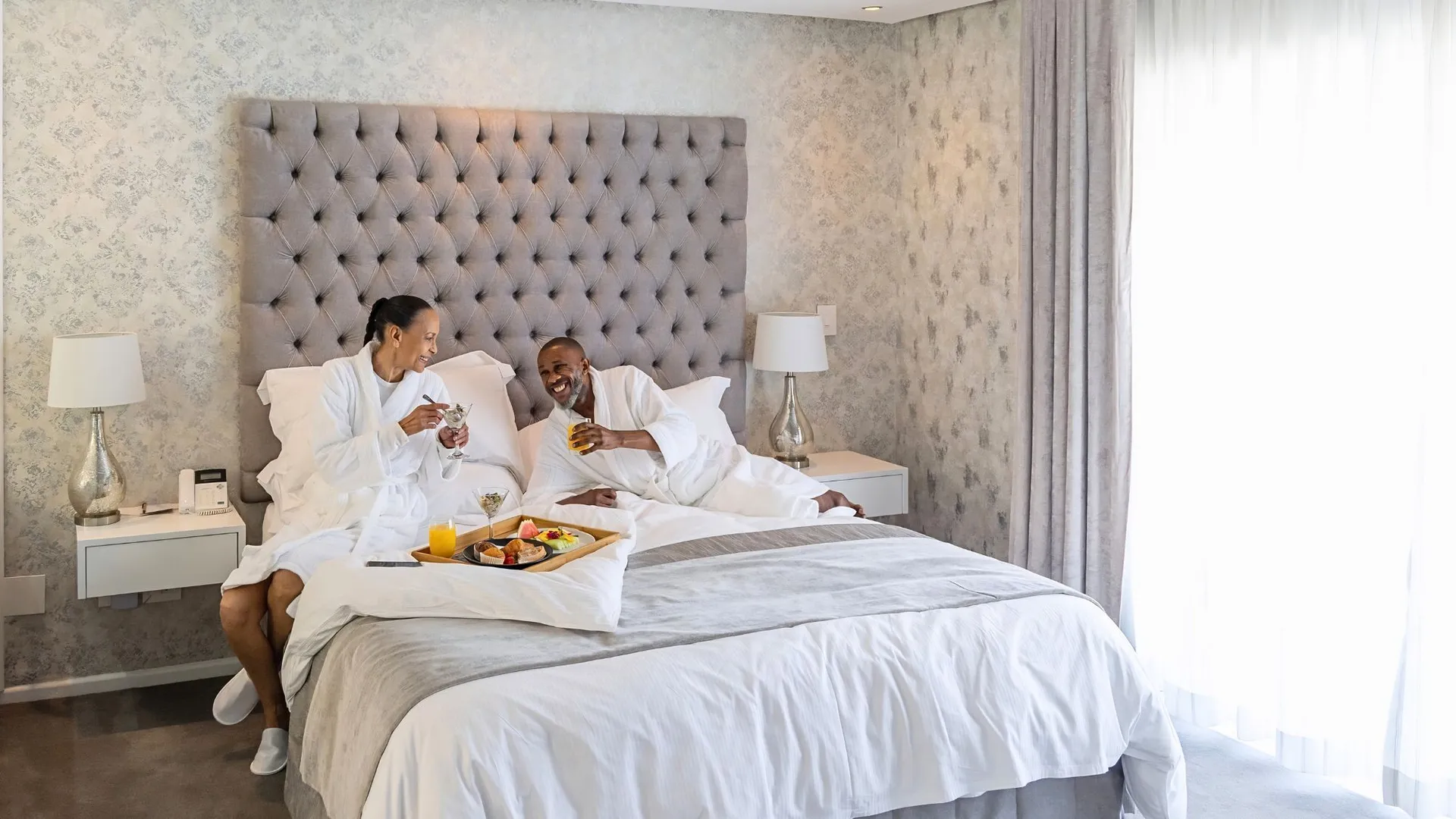
The best sleep retreat for you will depend on your budget and whether you're traveling specifically to improve your sleep or simply looking to get better rest while on vacation or a spa visit.
Many hotels provide à la carte sleep amenities, such as a pillow menu, aromatherapy offerings, and spa services and exercise classes aimed at promoting peaceful slumber. Even if you're planning a more traditional vacation, sleeping in and skipping a few activities could make it more restful.
"It's really important to think about your travel style and look at what your needs are, and then match them with an accommodation that could fit that," says Danielle Desir Corbett, host of the affordable-travel podcast The Thought Card.
If you're looking for a special-occasion splurge, and you care about the overall luxury experience as much as sleep improvement, you might consider a high-end hotel's sleep suite, which will typically include amenities such as a temperature-regulating smart mattress and artificial circadian lighting.
Keep in mind, however, that even the most-optimized rooms can't guarantee better sleep. "You could spend $2,000 a night on a hotel room for a sleepcation and then sleep terribly," Henderson warns.
Maximize the hotel's benefits.
Whatever the sleep-focused amenities your hotel or resort offers, it's up to you to make sure you're getting the most out of the offerings.
"The absolute worst thing you could do is go into a sleep vacation, bring your laptop and be like, ‘Okay, I'm going to spend half my time working and half my time vacationing,' " says Dave Grossman, who runs the MilesTalk travel website. "You're probably not going to get the benefits then."

Instead, prioritize the downtime. Try not to over-schedule yourself during the day, and avoid heavy dinners and alcohol.
In general, the evidence is stronger for the benefits of analog offerings (the right pillow, for example, and a cool, dark room) than for high-tech tools such as smart mattresses, circadian lighting systems and biometric sleep tracking, which might increase screen time and place a disproportionate emphasis on metrics and data — and potentially even create more anxiety around your sleep.
If possible, try to get some rest before your sleepcation begins. "The number-one travel tip for me, with respect to sleep, is to embark rested," says corporate sleep consultant Nancy Rothstein. "It's really important, and it takes some planning and a bit of willpower."
If you're flying across time zones, you may want to start shifting your sleep schedule a few days before your trip to match your expected routine when you get there. And try to avoid staying up late to work or pack the night before you leave.
Stretch your budget.
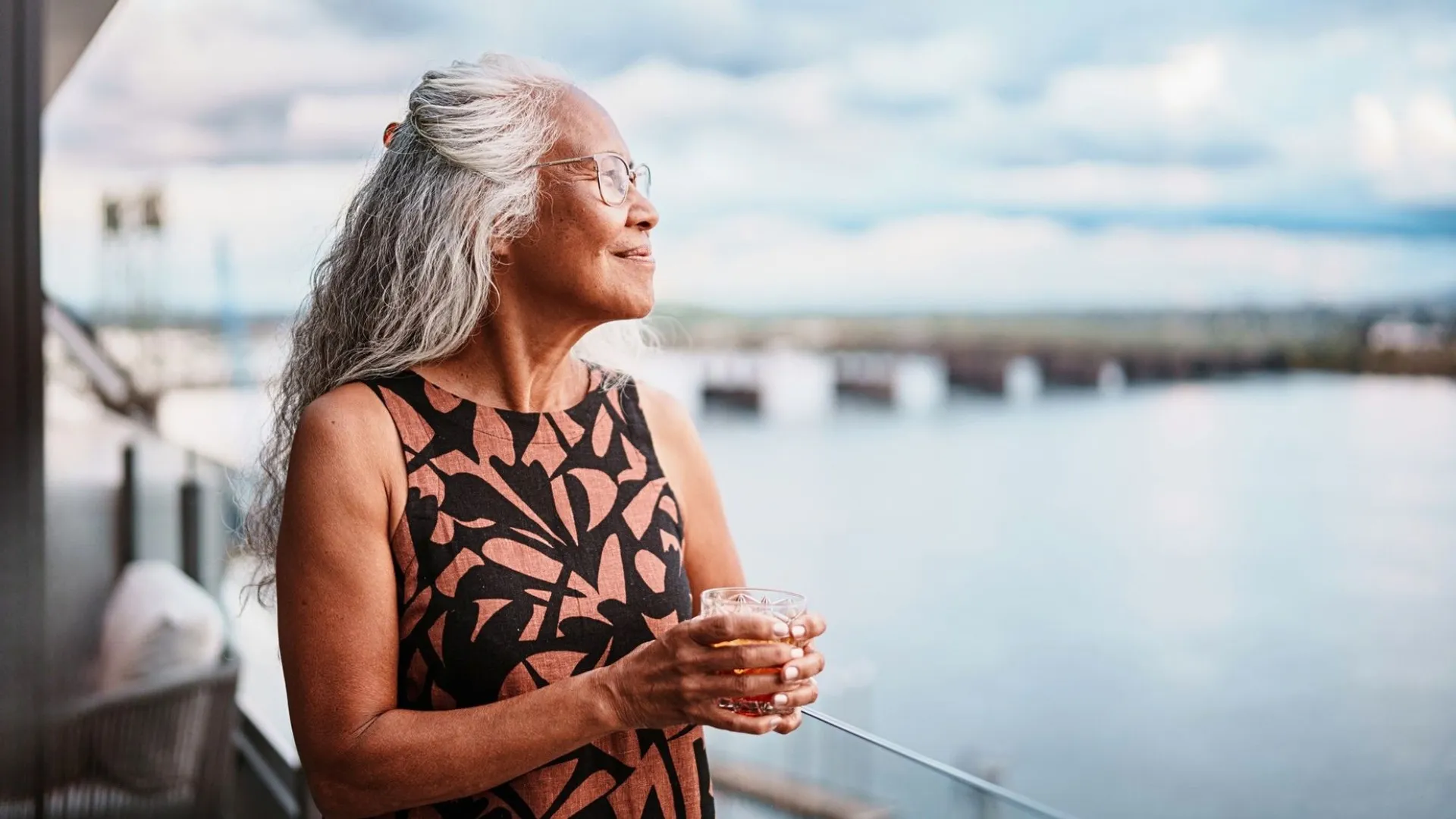
Leverage your credit card or hotel loyalty points to offset the cost of your trip. If you have flexibility, booking your sleepcation during off-peak seasons or from Monday through Thursday may not only cut your costs but also mean fewer crowds — and less noise — that could interfere with your shut-eye.
Planning to stay at a luxury resort? You may get more value by booking through a travel adviser, who can often access perks such as late checkout, room upgrades or free breakfast, even if you have not stayed at any of the resort's locations before.
Advisers can also give you insight into whether a property offers a true, sleep-focused experience or a broader wellness retreat in which sleep is just one element, Grossman says.
By taking a do-it-yourself approach, you can get many of the benefits of a sleepcation without paying a premium. Plan to stay for a few nights (to counter the "first-night effect," or the tendency to sleep poorly on night one in an unfamiliar place) at a local hotel in a quiet location with positive reviews when it comes to comfortable beds, supportive pillows and, if it's hot, good air conditioning.
"Find a nice, budget hotel that's in a quiet area, and just give yourself time, because time is a luxury these days," Henderson says. "Give yourself the space and time to sleep."
Request an upper-level room that's far from the elevators to avoid noise from other guests, and limit your before-bed screen time. Corbett also recommends bringing small things that might help you sleep at home, such as your pillowcase, a sound machine or a humidifier.
"A lot of these accents that we use at home come travel-sized so you can just pack them in your carry-on," she says.
Temper long-term expectations.
While a long weekend may leave you feeling refreshed, catching up on your missed Zs will not permanently undo the cognitive and physical wear of chronic sleep deprivation. And it won't cure underlying sleep disorders such as chronic insomnia, untreated sleep apnea or restless leg syndrome.
Even if you don't have medical-related sleep challenges, the benefits of a sleepcation may be short-lived if you cross several time zones and return home to a hectic schedule, a screen-intensive environment and a worn-out mattress in a cluttered bedroom.
Still, sleepcations present a great opportunity to reset your habits and jump-start a more sleep-conducive routine at home.
"Sometimes, just that disruption of your typical day-to-day with a vacation — hopefully in a beautiful spot in a beautiful hotel — gives you the moment in time to make those changes, and hopefully they find their way home with you," Al-Masri says.
Use these sleep-tourism takeaways to get better rest at home

You don't need to travel and spend thousands of dollars — or have the most high-tech tools — to improve your sleep. "One of the biggest ironies of sleep is that trying too hard to optimize it can sometimes backfire," says psychologist Shelby Harris, author of The Women's Guide to Overcoming Insomnia: Get a Good Night's Sleep Without Relying on Medication.
"For people who are prone to insomnia, excessive focus on sleep metrics, routines and performance can increase pressure and anxiety around sleep, making it even more difficult to get the rest they are seeking."
Try these tactics, used by the sleep tourism industry, to get better rest without leaving home.
Lower the thermostat. Temperature has a major role in the quality of your slumber. "The body needs to lower its core temperature to initiate deep sleep, which is why many of the best hotels maintain rooms around 65 to 68 degrees," says Mark Kovacs, CEO of the Kovacs Institute and former vice president of health and performance at wellness resort Canyon Ranch.
Install blackout curtains. Ambient light seeping in from outside can disrupt your body's clock, making it harder to fall — and stay — asleep at night. Installing blackout curtains or shades can help keep that light out of your bedroom.
Limit in-room light. Lower light levels before bed can help signal to your body that it's time to go to sleep. "Simply dimming lights an hour before bed and keeping your bedroom dark can make a meaningful difference," Kovacs says.
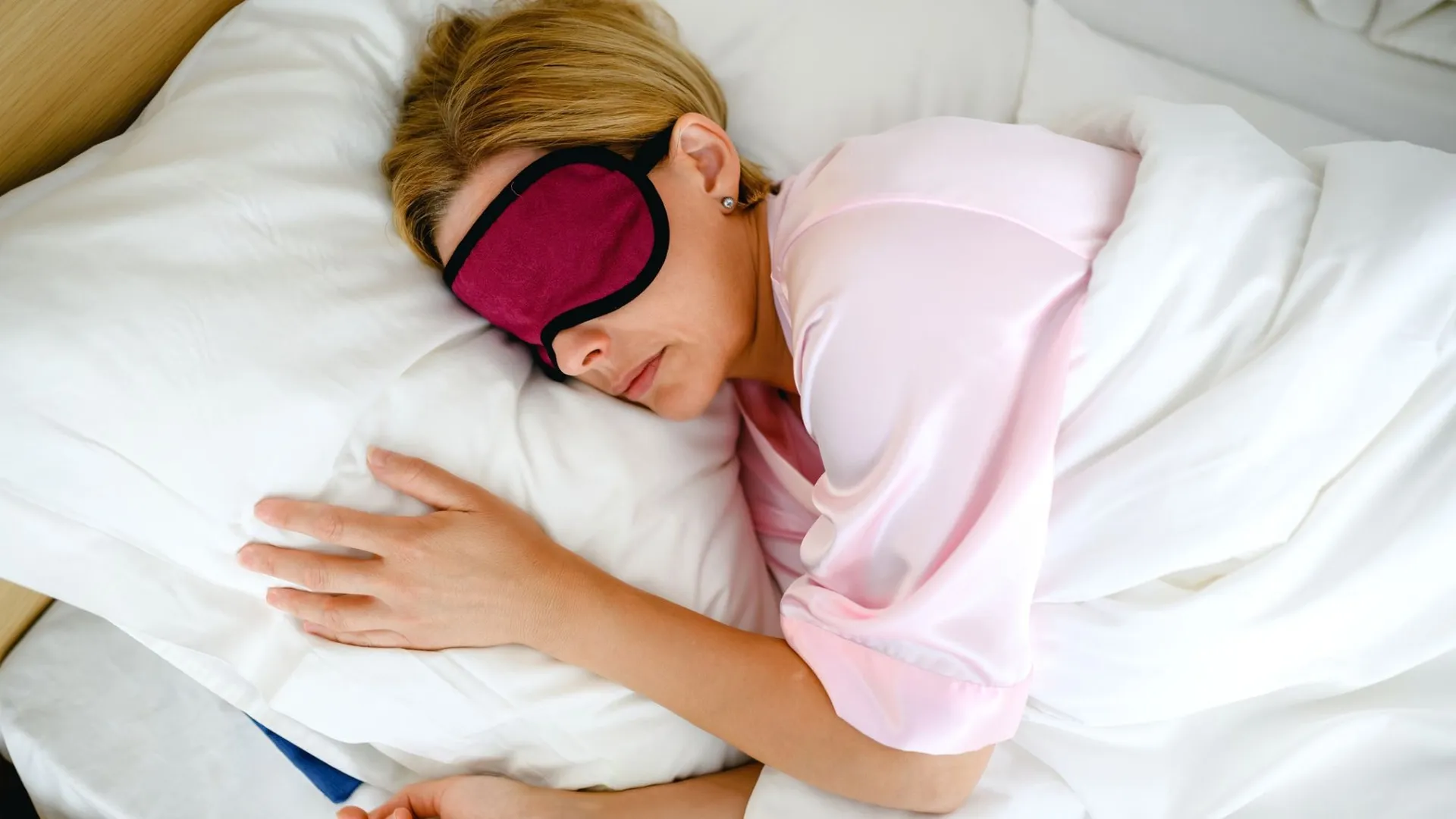
The glow from digital clocks, blue light from your cell phone, and even small, bright lights on other devices when charging contribute to an environment that's less conducive to sleep. If you can't remove all such sources, consider a sleep mask.
Invest in a good pillow. Look for a supportive, comfortable pillow that keeps your head and neck in a neutral position and does not require mid-sleep adjustments, Harris says. "If you're waking up with neck pain or headaches, or you're folding your pillow in half every night, that's usually a sign it's time for a change," she adds.
Declutter your bedroom. A hotel room's calm, uncluttered environment may help you sleep. You can achieve the same effect at home by keeping surfaces in your bedroom clean.
Consider a white-noise machine. Good hotels have top-notch soundproofing. If you can't get rid of external noise at home, a sound machine can mask the racket outside.
Curb in-bed activities. Working, watching TV or scrolling on your phone in bed can lead your brain to associate it with a place for being awake. Instead, reserve the bed for sleep and intimacy only. "If you can't fall asleep, or you've been awake for a while, don't just lie there getting frustrated," Harris says. "Get out of bed, do something quiet and relaxing in dim light, and come back when you're sleepy."
Note: This item first appeared in Kiplinger Personal Finance Magazine, a monthly, trustworthy source of advice and guidance. Subscribe to help you make more money and keep more of the money you make here.
Related Content
