5 Laundry Habits That Are Costing You Money
You might be flushing money down the drain if you have any of these laundry habits.


As the rising cost of everyday essentials continues to strain the wallets of Americans nationwide, it's important to trim costs wherever you can.
One of the best ways to cut your monthly budget is by eliminating things that are a waste of money anyway or potentially harmful to your wallet in the long run. By cutting wasteful spending first, you can save money without making sacrifices to your quality of life.
With that in mind, here are some ways you might be spending more money than you need to on your laundry.
From just $107.88 $24.99 for Kiplinger Personal Finance
Become a smarter, better informed investor. Subscribe from just $107.88 $24.99, plus get up to 4 Special Issues

Sign up for Kiplinger’s Free Newsletters
Profit and prosper with the best of expert advice on investing, taxes, retirement, personal finance and more - straight to your e-mail.
Profit and prosper with the best of expert advice - straight to your e-mail.
1. Using too much detergent
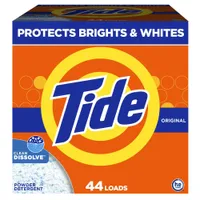
Whether you use powder or liquid detergent, there's typically a little scoop with pre-marked lines. If you're ignoring those lines, you're burning through detergent faster than you need to be.
In some cases, you might be able to use less than the brand recommends. I've been able to fill my scoop to the first line (indicated for smaller loads) even with a full load. My clothes still come out stain-free and smelling fresh.
One general rule is that you need no more than two tablespoons of liquid detergent for any load. Try using smaller amounts with your preferred detergent, and test the results for yourself.
If stretching your detergent so you don't have to buy it as often isn't enough of an incentive, it's also the better option for your clothes. When you use too much detergent, it doesn't get fully rinsed out by the end of the cycle. You can end up with sticky or stiff-feeling fabric.
For these reasons, you might also consider switching to powder or liquid detergent if you use prepackaged pods. That's one more switch that will save money in the long run.
2. Using fabric softener
It smells good. It makes your clothes feel softer. It keeps things from clinging together in the dryer. I get that this is a hard one for many people to give up. But fabric softener is bad for your clothes, bad for your machine and bad for your wallet.
Not only are you spending money on something you don't need, but you're spending it on something that's shortening the lifespan of your machine and your clothes.
The way fabric softener makes fabric feel softer is by depositing a waxy layer onto it that causes it to fluff up or feel smoother. But that same residue makes your clothes less fire-resistant and less able to wick away moisture such as sweat or water after a shower when you're trying to dry yourself off.
That same residue also builds up in your machine, allowing mildew to grow and generally gumming up the works.
Here's what you can do instead:
- If you like fabric softener for the fragrance, get a scented laundry detergent.
- If you like it for the softness, try adding distilled white vinegar to the fabric softener slot instead. It can help with softening and removing odors from your clothes without leaving a residue. Your laundry will not come out smelling like vinegar.
- If you like it for preventing static, either skip the dryer altogether (see below) or scrunch up a ball of aluminum foil and toss that in the dryer with your clothes.
- If you're not ready to give it up altogether, at least cut back. Instead of using fabric softener in every load, limit it to just your clothes or sheets (wherever you want that fragrance most) and maybe only use it every third or fourth time you wash.
3. Using dryer sheets
Dryer sheets are typically a synthetic material soaked in fabric softener (or a chemical solution similar to it). It's bad for your laundry and your machines for all the same reasons that fabric softener is.
They might be slightly less harmful overall compared with liquid fabric softener, so if you have to use one, it's the lesser of two evils. But your wallet and your clothes will be better off if you skip these, too.
4. Skipping out on the routine maintenance

With everything that's already on your list for proper home maintenance, it's easy to neglect your washing machine and dryer. They also don't tend to look dirty or in need of care, even if you haven't done any maintenance or cleaning in years. But neglecting the regular care of these appliances can shorten their lifespan.
For appliances that can easily cost you $1,000 apiece, you definitely want to get as many years as you can out of them. Here's what you can do to extend the life of your washing machine and dryer, according to Whirlpool:
- Remove lint from the lint filter on your dryer after every use. Deep clean it once every six months, more often if you use dryer sheets.
- For front-load machines, leave the doors open at all times to prevent moisture (and mold) buildup.
- Get the hoses and connections inspected (or check them yourself) every five years. You want to replace cracked or fraying parts before they fail and cause water damage in your home.
- Wipe down the door or lid seals on your machine after every use.
- Clean out the inside of both machines, including the lid seals, once a month (or once every 30 wash cycles). If you don't do laundry daily, calculate a rough estimate of how long it takes you to hit 30 wash cycles and set a calendar reminder to clean out your machines at those intervals. For example, if you do laundry three times per week, set a reminder every 10 weeks.
- Clean out the drain pump filter of your washing machine when you clean the inside of your machines.
- Clear out the dryer vent at least once a year. For shorter vents, you can do this yourself with the hose attachment on your vacuum and maybe a dryer cleaning brush. For longer or awkwardly placed vents, you might need to hire a pro.

5. Using your dryer for clothing
One frugal habit that's worth keeping, even if you don't need to pinch pennies, is skipping the dryer. It's rough on fabrics, even if clothing tags say it's safe to toss in there. It also uses electricity when hang-drying is free.
By skipping the dryer — at least for your clothing, if not the rest of your household linens — you can lower your electricity bill and get more wear out of your garments. That's a win-win for your wallet.
If you don't have room for a clothesline outside, you can stick a drying rack in any room of the house. I have been hang-drying my clothes for a decade, and not once have I hung them outside.
If you're on a rate plan with peak and off-peak pricing, do your laundry during off-peak hours so you're spending less per load on electricity.
They take longer to dry than they would in a dryer, of course. But it's easy enough to adapt to. I do laundry at night, then let them hang dry overnight.
That's also a bonus tip: If you're on a rate plan with peak and off-peak pricing, do your laundry during off-peak hours so you're spending less per load on electricity.

Related content