If You're Considering Law School, This History Lesson Is for You
AI could be the modern equivalent of the automobile's impact on blacksmiths as it rapidly transforms the legal profession, potentially leading to an employment crisis for law school graduates. What can they do?

Just about every day now, I get emails and phone calls from readers asking the same question: "With what we are seeing, AI is leading to the wholesale firing of hundreds of thousands of employees across entire industries. Should I consider law as a career?"
My answer: Let history be your guide. Consider these questions:
- What was the dominant means of transportation in the early 1900s in villages and cities across our country?
- Who, and in which profession, assured their dependability?
- How many of them were there in the late 19th century? How many now?
- What one factor explained their vanishing as a primary industry, and when it first emerged, was it seen as a threat to their profession?
Indispensable to daily life
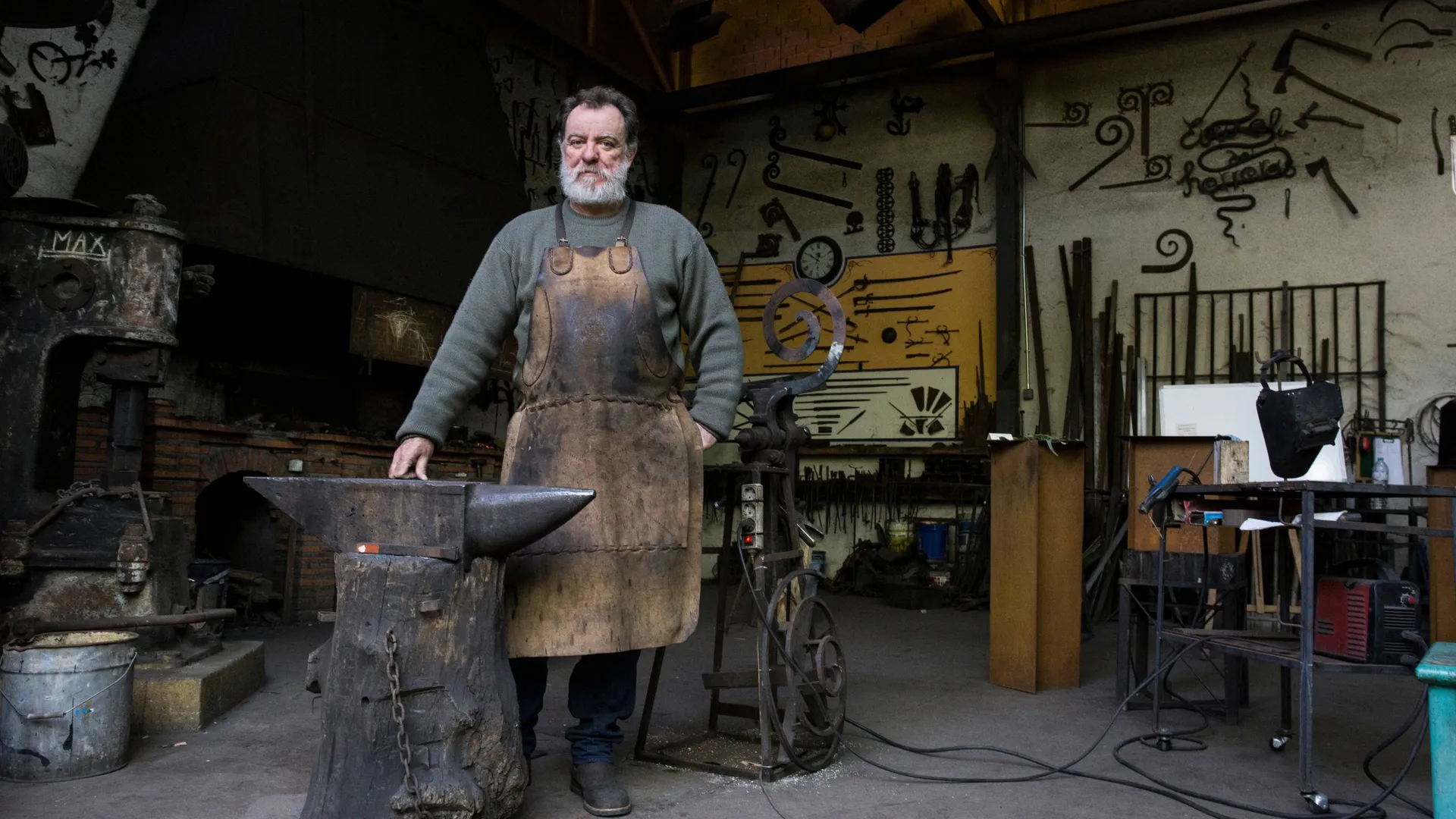
The answer: The village smithy, aka the blacksmith, assured that horses could provide the transportation that was indispensable to daily life. Blacksmiths numbered in the hundreds of thousands in the late 19th century, but there are only about 10,000 today.
From just $107.88 $24.99 for Kiplinger Personal Finance
Become a smarter, better informed investor. Subscribe from just $107.88 $24.99, plus get up to 4 Special Issues

Sign up for Kiplinger’s Free Newsletters
Profit and prosper with the best of expert advice on investing, taxes, retirement, personal finance and more - straight to your e-mail.
Profit and prosper with the best of expert advice - straight to your e-mail.
When the first automobiles hit the market, they were seen as playthings of the wealthy, not a threat to the respected role blacksmiths held in society.
I submit that AI is today's equivalent of the automobile, and it's having a similar impact on the legal profession as law firms no longer require dozens of junior lawyers to search through millions of pages to find a smoking gun when AI can do it, and so much more, in minutes.
Solving a problem without a lawyer
One of my clients, "Dr. Dan," called the other day, thrilled to tell me how he'd used AI to avoid becoming the victim of his landlord's unreasonable requests. "She sent a modification to our lease that made no sense at all. I could have called you, but first I asked AI if this was legal and reasonable and how could I politely reply.
"AI said that it was not legal and asked if I wanted a response that I could send, in lawyerlike language, explaining why the landlord was wrong. I typed, 'yes,' and in a couple of seconds, I got a beautifully reasoned response, which I sent to her.
"She phoned me right back saying, 'Dan, you're right. But tell me, how much did your lawyer charge you for this letter? It is so well written!' We had a good laugh. I think AI is going to put a lot of lawyers out of work."
What do law school deans and admissions officers say?
To get a feel for what the top brass in higher education have to say, I reached out to several deans and admissions officers and left this voicemail: "How will AI impact law? Today, would you advise a family member to apply to law school? Also, can you explain the enormous increase in applications to law schools the past several decades?"
Two agreed to discuss these issues on condition of anonymity so they could be perfectly candid, and both noted one of the most important reasons we have seen an enormous increase in the number of law students over the past few decades: Money (for the schools).
"The growth in law school enrollment hasn't matched the actual need for new lawyers," said the dean at a Midwest law school. I'll call her Anna. "The ratio of lawyers to the U.S. population today is four times what it was in 1970, and many of our graduates are underemployed and facing enormous student loan debt.
"The explosive growth in admissions over the last 50 years was primarily because law school is a cash cow for universities.
"We can't lose — but no one cared if students would get hired into positions where they could have a decent life and repay their loans.
"And the more students we admit, the greater the damage will be due to AI. Law schools are motivated by tuition, not placement. It is as if we are graduating manual laborers into a robot-factory economy, and there will be pain."
Big, bad gamble
The dean of a Southern law school, whom I'll call Stacey, pointed out, "As we speak, law school enrollment is surging, and many students are making a horribly bad bet on future, high-income employment. The supply-and-demand mismatch will be horrible as AI adoption scales upward."
Both educators provided this gloomy outlook on the future: Law school graduates of 2027 and 2028 will be entering a job market where AI has progressed from the testing stage to real, daily operational functionality.
Their advice: Look for a law school with a curriculum that teaches how to use AI — those courses will impress an employer.
So, here is what anyone considering law school needs to keep in mind: Just as the Model T didn't put blacksmiths out of work overnight, we are not going to have fewer lawyers immediately. Those who can master AI will be hired and well compensated.
Anyone considering law as a profession might want to check out the one-star ratings of law firms on Yelp. Also, give these questions some thought:
- Why do so many young lawyers leave the profession?
- Why do so many attorneys become alcoholics and substance abusers?
- Why are they so disillusioned?
- Why do they have such a high divorce rate?
Instead of being a lawyer, why not become a blacksmith? At least you'll be paid for — wait, it's coming — horsing around.
Dennis Beaver practices law in Bakersfield, Calif., and welcomes comments and questions from readers, which may be faxed to (661) 323-7993, or e-mailed to Lagombeaver1@gmail.com. And be sure to visit dennisbeaver.com.
Related Content
- We've Survived Bladder Cancer, But Live With the Effects of Surgery. Tough Love Isn't What We Need
- Wake Up, Jerry: Your Wife Wants You to Stop Snoring and Read This Before Launching Your Landscaping Biz
- These Real-World Examples of Societal Impact Can Inspire College Students for Their Next Chapter
- Your Retirement Needs a Sketchbook, Not Just a Spreadsheet: This Book Focuses on Your Life Goals Rather Than the Math
- Think You're Too Busy to Do an Estate Plan? In 3 Hours (Seriously), You Could Save Your Heirs Months (or Years) of Stress and Heartache