KB Home Stock Slides After Earnings: What to Know
KB Home stock is lower Wednesday after the homebuilder reported mixed earnings results and revised its full-year outlook.

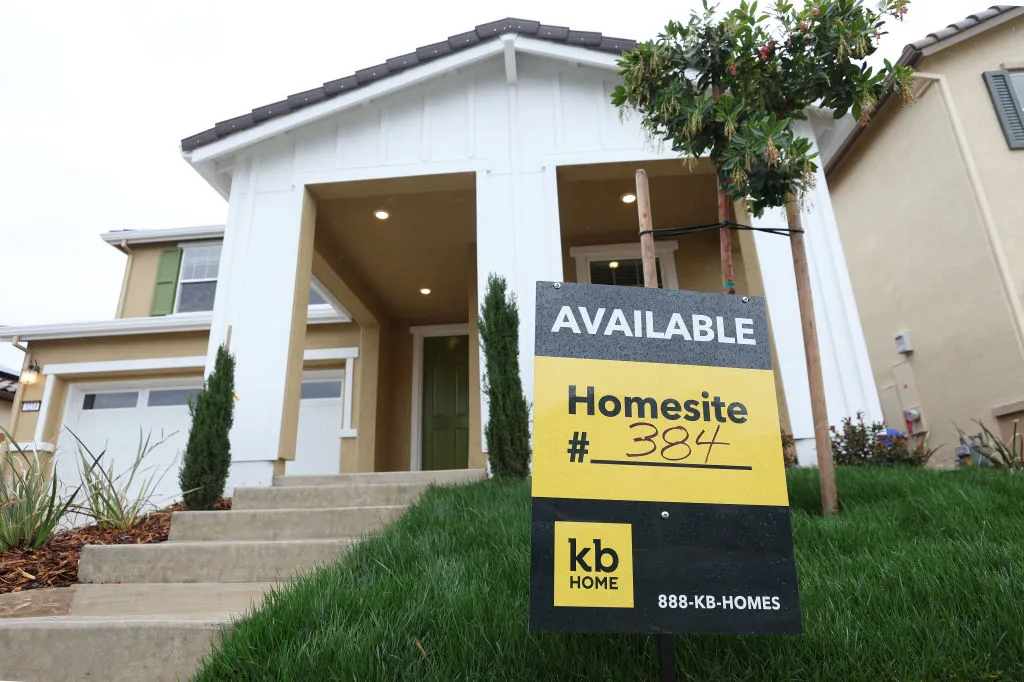
KB Home (KBH) stock is notably lower Wednesday after the homebuilder reported mixed results for its fiscal third quarter and updated its full-year outlook.
In the three months ended August 31, KB Home's revenue increased 10.4% to $1.75 billion, as its home deliveries rose 7.6% year-over-year to 3,631 and its average selling price jumped 3.1% to $480,900.
The company also said earnings per share (EPS) were up 13.3% from the year-ago period to $2.04.
From just $107.88 $24.99 for Kiplinger Personal Finance
Become a smarter, better informed investor. Subscribe from just $107.88 $24.99, plus get up to 4 Special Issues

Sign up for Kiplinger’s Free Newsletters
Profit and prosper with the best of expert advice on investing, taxes, retirement, personal finance and more - straight to your e-mail.
Profit and prosper with the best of expert advice - straight to your e-mail.
"In the third quarter, we achieved strong year-over-year growth in both revenues and diluted earnings per share," said KB Home CEO Jeffrey Mezger in a statement. The executive added that the homebuilder "experienced variability in demand across the quarter, with softening in late June through July, as buyers continued to evaluate elevated mortgage interest rates, and general economic concerns were rising."
Metzger said that he is "encouraged" by a strengthening in demand the company saw in August as mortgage rates moderated.
KB Home's results were mixed compared with analysts' expectations. Wall Street was anticipating revenue of $1.73 billion and earnings of $2.06 per share, according to MarketWatch.
The company also updated its full-year outlook. KBH now anticipates revenue in the range of $6.85 billion to $6.95 billion, an average selling price of approximately $490,000 and a housing gross profit margin that's between 21.1% to 21.2%.
This compares with its previous outlook of revenue in the range of $6.7 billion to $6.9 billion, an average selling price of $485,000 to $495,000 and a gross profit margin of 21.1% to 21.5%.
The weakness in KBH's share price Wednesday could be due to the revised housing gross profit margin expectations, which impacted competitor Lennar's (LEN) stock last week following its earnings release.
Is KB Home stock a buy, sell or hold?
KB Home has outperformed the broad market in 2024, up 41% on a total return basis (price change plus dividend) vs the S&P 500's 21% gain. Still, Wall Street is on the sidelines when it comes to the consumer discretionary stock.
According to S&P Global Market Intelligence, the average analyst target price for KBH stock is $81.23, representing a discount of about 3% to current levels. Meanwhile, the consensus recommendation is Hold.
Financial services firm Wedbush raised its price target on KBH stock to $75 from $67 after earnings, but maintained its Neutral rating (equivalent to a Hold).
The price-target hike comes amid the shift to a fiscal 2025 valuation from a fiscal 2024 one, says Wedbush analyst Jay McCanless. "Fiscal third-quarter order growth was less than we expected due to year-over-year declines in KB's Southwest and Southeast segments," he adds, while noting that the company cut prices early in Q3 to maintain sales pace, which likely put pressure on the bottom line.
"On a positive note, KB indicated traffic and sales absorption improved in sync with lower mortgage rates through August and into September," McCanless says.
Related Content
