Tax Cut Help for the Math Challenged
No need to break out pencil, adding machine or abacus: We can tell you what the tax deal will do for your paycheck.

What does a drop from 6.2% to 4.2% in the tax that pays for Social Security mean to your paychecks?
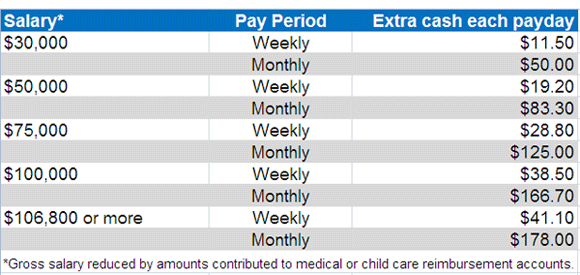
It’s really pretty simple. Take your gross pay, reduce it by the amount you divert to flexible spending plans for medical and/or child care costs (since that money isn’t hit by the payroll tax) and multiply the result by 0.02. That will tell you how much your paycheck will go up starting in January.
Don’t trust yourself (or don’t want to spend the time) to do the math yourself? Then just use our new calculator: What the 2011 Tax Cut Is Worth to You.
From just $107.88 $24.99 for Kiplinger Personal Finance
Become a smarter, better informed investor. Subscribe from just $107.88 $24.99, plus get up to 4 Special Issues

Sign up for Kiplinger’s Free Newsletters
Profit and prosper with the best of expert advice on investing, taxes, retirement, personal finance and more - straight to your e-mail.
Profit and prosper with the best of expert advice - straight to your e-mail.
The table below will give you quick look at what the payroll tax change -- part of the deal to extend the Bush-era tax cuts -- is worth at various salary levels. Once annual pay passes $106,800, the value of the tax cut stops rising. That’s because the part of the payroll tax that pays for Social Security applies only to the first $106,800 of income.