Calculating the Rate on Series I Savings Bonds
A quick guide to how it works, including what happens when rates turn negative.

You are now subscribed
Your newsletter sign-up was successful
Want to add more newsletters?

Delivered daily
Kiplinger Today
Profit and prosper with the best of Kiplinger's advice on investing, taxes, retirement, personal finance and much more delivered daily. Smart money moves start here.

Sent five days a week
Kiplinger A Step Ahead
Get practical help to make better financial decisions in your everyday life, from spending to savings on top deals.

Delivered daily
Kiplinger Closing Bell
Get today's biggest financial and investing headlines delivered to your inbox every day the U.S. stock market is open.

Sent twice a week
Kiplinger Adviser Intel
Financial pros across the country share best practices and fresh tactics to preserve and grow your wealth.

Delivered weekly
Kiplinger Tax Tips
Trim your federal and state tax bills with practical tax-planning and tax-cutting strategies.

Sent twice a week
Kiplinger Retirement Tips
Your twice-a-week guide to planning and enjoying a financially secure and richly rewarding retirement

Sent bimonthly.
Kiplinger Adviser Angle
Insights for advisers, wealth managers and other financial professionals.

Sent twice a week
Kiplinger Investing Weekly
Your twice-a-week roundup of promising stocks, funds, companies and industries you should consider, ones you should avoid, and why.

Sent weekly for six weeks
Kiplinger Invest for Retirement
Your step-by-step six-part series on how to invest for retirement, from devising a successful strategy to exactly which investments to choose.
The rate on series I savings bonds just went negative. How can that be? How are these things calculated?
Actually, the rate is 0%, not negative. Here’s how it works. The earnings rate (called the “composite rate”) for series I bonds includes two parts: the fixed rate, which applies for the 30-year life of the bond, and the variable inflation rate, which changes every six months based on changes in the consumer price index for all urban consumers (CPI-U). The new rates were announced on May 1. The fixed portion of the rate is 0%, and the inflation rate portion is -0.80% for the six months from May 1 to October 31 (the CPI-U decreased from 238.031 in September 2014 to 236.119 in March 2015). Although a negative inflation rate can offset some of the fixed rate, the Treasury does not let the earnings rate drop below zero.
The fixed-rate portion of any I bonds purchased between now and October 31, 2015, will remain 0% for the 30-year life of the savings bond. But the inflation rate could increase if inflation picks up again; the six-month inflation rate reached a high of 2.85% in November 2005. The interest is compounded twice a year.
From just $107.88 $24.99 for Kiplinger Personal Finance
Become a smarter, better informed investor. Subscribe from just $107.88 $24.99, plus get up to 4 Special Issues

Sign up for Kiplinger’s Free Newsletters
Profit and prosper with the best of expert advice on investing, taxes, retirement, personal finance and more - straight to your e-mail.
Profit and prosper with the best of expert advice - straight to your e-mail.
For more information about how I bond interest rates are calculated, and a history of the fixed and inflation rates since I bonds were first issued in September 1998, see Calculating Interest Rates on I Bonds. For help calculating the value of your savings bonds, input the type of bond, dollar amount, issue date and serial number into TreasuryDirect’s Savings Bond Calculator.

-
 Dow Adds 1,206 Points to Top 50,000: Stock Market Today
The S&P 500 and Nasdaq also had strong finishes to a volatile week, with beaten-down tech stocks outperforming.
-
 Ask the Tax Editor: Federal Income Tax Deductions
Ask the Editor In this week's Ask the Editor Q&A, Joy Taylor answers questions on federal income tax deductions
-
 States With No-Fault Car Insurance Laws (and How No-Fault Car Insurance Works)
A breakdown of the confusing rules around no-fault car insurance in every state where it exists.


-
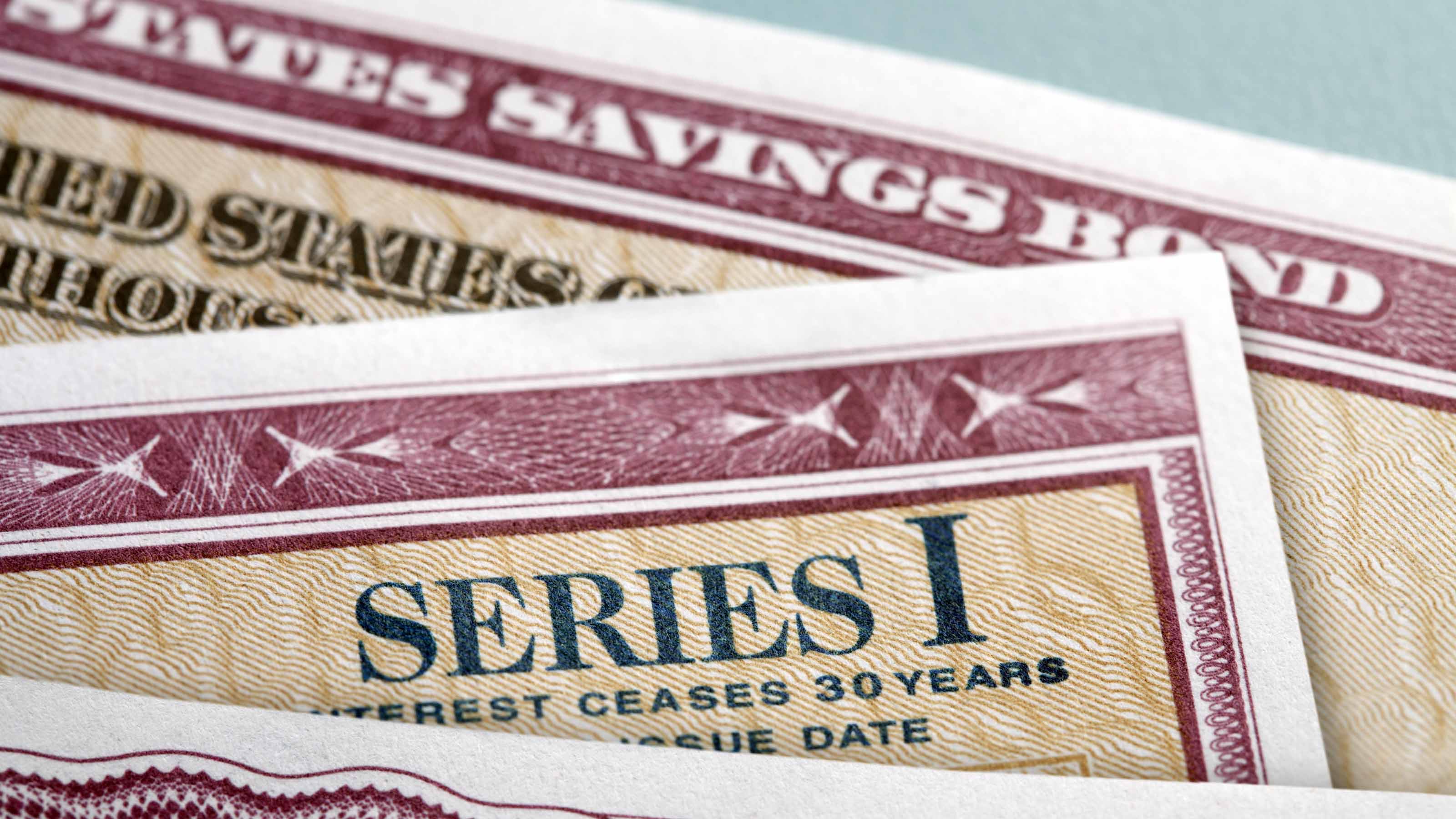 How Are I Bonds Taxed? 8 Common Situations to Know
Bonds Series I U.S. savings bonds are a popular investment, but the federal income tax consequences are anything but straightforward.
-
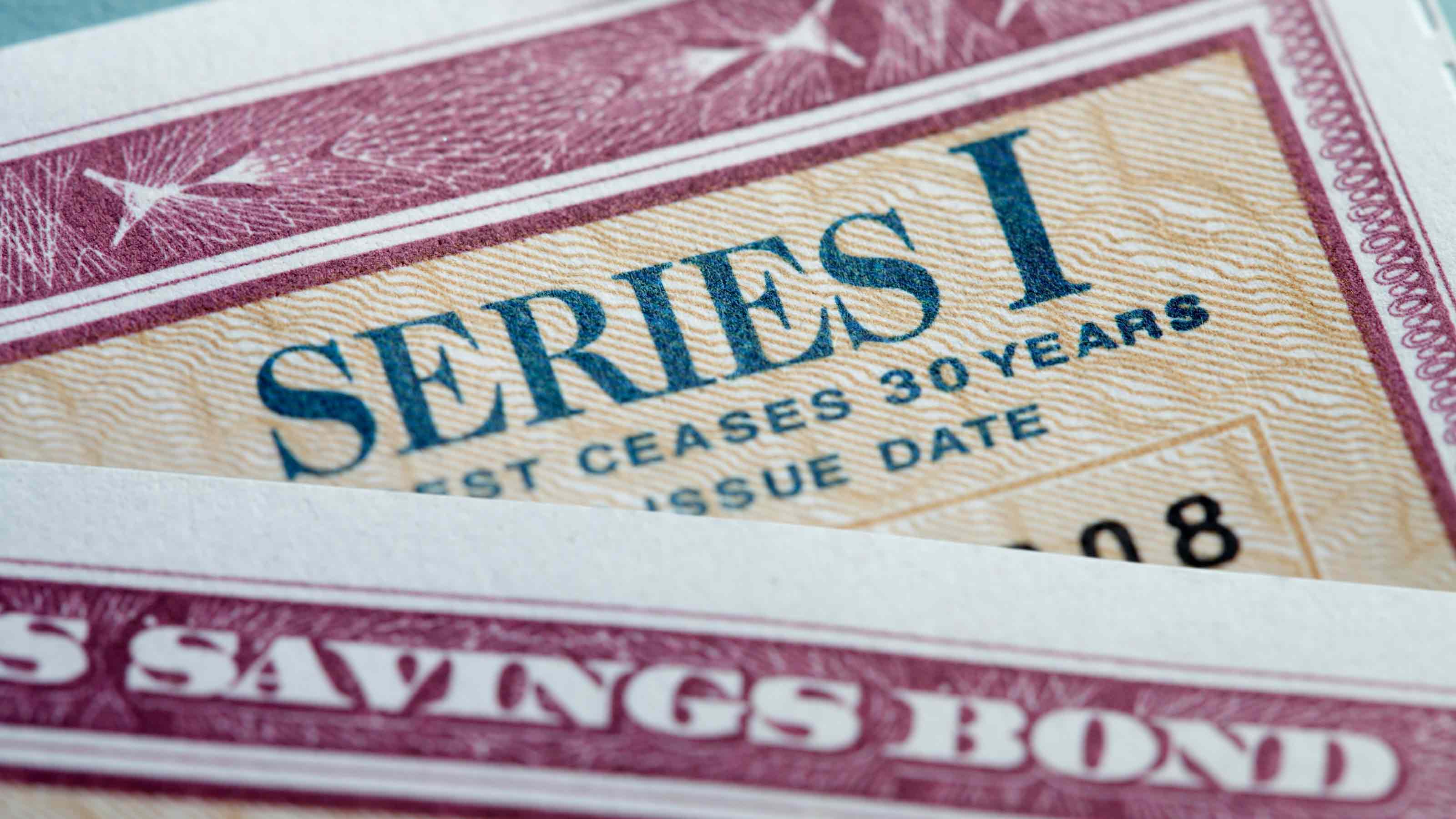 How Are I Bonds Taxed? Nine Common Situations
Bonds Series I bonds are a popular investment that can help you save on taxes, but the federal income tax consequences can be complex.
-
 5 Ways to Shop for a Low Mortgage Rate
Becoming a Homeowner Mortgage rates are high this year, but you can still find an affordable loan with these tips.
-
 Bond Ratings and What They Mean
investing Bond ratings measure the creditworthiness of your bond issuer. Understanding bond ratings can help you limit your risk and maximize your yield.
-
 Bond Basics: U.S. Savings Bonds
investing U.S. savings bonds are a tax-advantaged way to save for higher education.
-
 Bond Basics: Treasuries
investing Understand the different types of U.S. treasuries and how they work.
-
 Bond Basics: Ownership
investing Bonds come in a variety of forms, but they all share these basic traits.
-
Bond Basics: Pick Your Type
investing Bonds offer a variety of ways to grow wealth and fortify your portfolio. Learn about the types of bonds and how they work.


