Find a Financial Planner Who’s a Cool Cucumber
Don’t panic, and look for an adviser who will look out for your best interests.
Profit and prosper with the best of Kiplinger's advice on investing, taxes, retirement, personal finance and much more. Delivered daily. Enter your email in the box and click Sign Me Up.
You are now subscribed
Your newsletter sign-up was successful
Want to add more newsletters?
Delivered daily
Kiplinger Today
Profit and prosper with the best of Kiplinger's advice on investing, taxes, retirement, personal finance and much more delivered daily. Smart money moves start here.
Sent five days a week
Kiplinger A Step Ahead
Get practical help to make better financial decisions in your everyday life, from spending to savings on top deals.
Delivered daily
Kiplinger Closing Bell
Get today's biggest financial and investing headlines delivered to your inbox every day the U.S. stock market is open.
Sent twice a week
Kiplinger Adviser Intel
Financial pros across the country share best practices and fresh tactics to preserve and grow your wealth.
Delivered weekly
Kiplinger Tax Tips
Trim your federal and state tax bills with practical tax-planning and tax-cutting strategies.
Sent twice a week
Kiplinger Retirement Tips
Your twice-a-week guide to planning and enjoying a financially secure and richly rewarding retirement
Sent bimonthly.
Kiplinger Adviser Angle
Insights for advisers, wealth managers and other financial professionals.
Sent twice a week
Kiplinger Investing Weekly
Your twice-a-week roundup of promising stocks, funds, companies and industries you should consider, ones you should avoid, and why.
Sent weekly for six weeks
Kiplinger Invest for Retirement
Your step-by-step six-part series on how to invest for retirement, from devising a successful strategy to exactly which investments to choose.
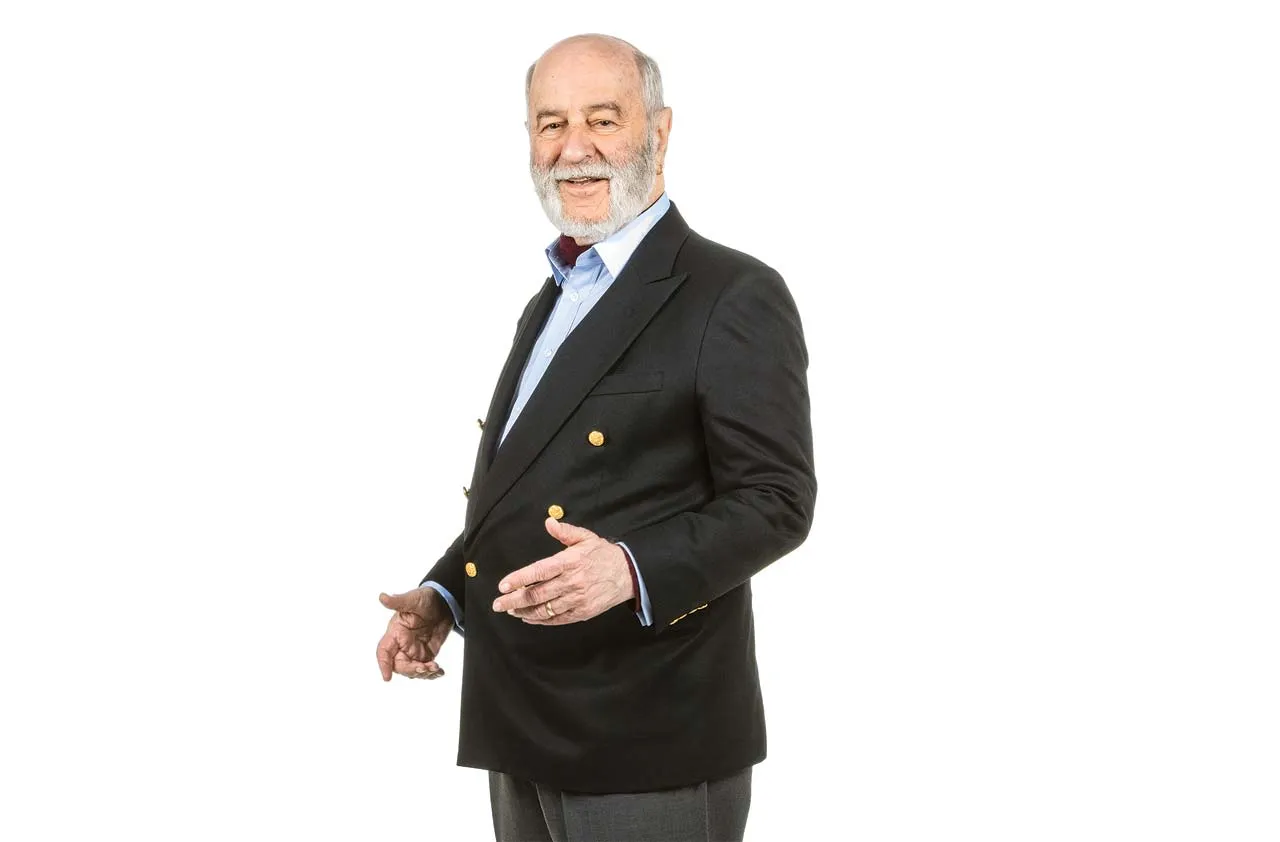
Harold Evensky is a certified financial planner and author of Hello Harold: A Veteran Financial Advisor Shares Stories to Help Make You Be a Better Investor.
Where should investors who are interested in hiring a financial planner look for advice? We recommend looking for the three p’s of advice givers: philosophy, or what they believe and how consistent they’ve been in their approach; process, or how they make their philosophy work in the real world; and people—their experience, track record, staff and professional credentials.
Look for certified financial planners. A CFP is required to serve as a fiduciary, which means the adviser has the responsibility to act in your best interest, rather than the best interest of a firm’s bottom line. That’s a higher standard than the one for brokers. Brokers are not required to disclose conflicts of interest or provide an investment recommendation that is best for the client’s needs. A broker’s recommendation must be “suitable” for your risk tolerance and investment goals, but it might not be the lowest-cost alternative.
From just $107.88 $24.99 for Kiplinger Personal Finance
Become a smarter, better informed investor. Subscribe from just $107.88 $24.99, plus get up to 4 Special Issues

Sign up for Kiplinger’s Free Newsletters
Profit and prosper with the best of expert advice on investing, taxes, retirement, personal finance and more - straight to your e-mail.
Profit and prosper with the best of expert advice - straight to your e-mail.
What do you tell clients during market downturns or periods of volatility? The consequences of selling investments in response to a market downturn can decimate your long-term plans. That’s because you need to time when you’re getting out and back in. The market moves fast: If investors don’t get back in as it recovers, they miss out on rising prices. Down markets are a chance to buy when stocks are low and to rebalance your portfolio to get back to your target allocation of stocks, bonds and cash. Those who look long-term and rebalance along solid parameters are going to recover far sooner than those who got out or who didn’t do anything during a downturn.
What advice do you have for investors who say they want to move their investments out of the market to avoid risk? Investors confuse certainty and safety. They think they can go to cash, certain they won’t lose money, but that’s not actually safe for your long-term financial well-being. You need to have assets in the market to keep up with taxes and inflation. If you go all-in on CDs, for instance, you simply won’t have adequate returns to keep up with the cost of living. Certainty comes from good planning, not an investment with a certain return.
Any other advice for investors? Turn off the TV and radio. The day-to-day volatility you hear about is noise. If you look at history, these talking heads have never been right, and they don’t know more than anyone else.
Profit and prosper with the best of Kiplinger's advice on investing, taxes, retirement, personal finance and much more. Delivered daily. Enter your email in the box and click Sign Me Up.

-
The Cost of Leaving Your Money in a Low-Rate AccountWhy parking your cash in low-yield accounts could be costing you, and smarter alternatives that preserve liquidity while boosting returns.
-
I want to sell our beach house to retire now, but my wife wants to keep it.I want to sell the $610K vacation home and retire now, but my wife envisions a beach retirement in 8 years. We asked financial advisers to weigh in.
-
How to Add a Pet Trust to Your Estate PlanAdding a pet trust to your estate plan can ensure your pets are properly looked after when you're no longer able to care for them. This is how to go about it.
-
Best Banks for High-Net-Worth Clientswealth management These banks welcome customers who keep high balances in deposit and investment accounts, showering them with fee breaks and access to financial-planning services.
-
Stock Market Holidays in 2026: NYSE, NASDAQ and Wall Street HolidaysMarkets When are the stock market holidays? Here, we look at which days the NYSE, Nasdaq and bond markets are off in 2026.
-
Stock Market Trading Hours: What Time Is the Stock Market Open Today?Markets When does the market open? While the stock market has regular hours, trading doesn't necessarily stop when the major exchanges close.
-
Bogleheads Stay the CourseBears and market volatility don’t scare these die-hard Vanguard investors.
-
The Current I-Bond Rate Is Mildly Attractive. Here's Why.Investing for Income The current I-bond rate is active until April 2026 and presents an attractive value, if not as attractive as in the recent past.
-
What Are I-Bonds? Inflation Made Them Popular. What Now?savings bonds Inflation has made Series I savings bonds, known as I-bonds, enormously popular with risk-averse investors. How do they work?
-
This New Sustainable ETF’s Pitch? Give Back Profits.investing Newday’s ETF partners with UNICEF and other groups.
-
As the Market Falls, New Retirees Need a Planretirement If you’re in the early stages of your retirement, you’re likely in a rough spot watching your portfolio shrink. We have some strategies to make the best of things.