Converting Nondeductible IRA Contributions to a Roth
Your tax bill on a Roth conversion will depend on the ratio of your nondeductible contributions to the total balance in all of your traditional IRAs.

You are now subscribed
Your newsletter sign-up was successful
Want to add more newsletters?

Delivered daily
Kiplinger Today
Profit and prosper with the best of Kiplinger's advice on investing, taxes, retirement, personal finance and much more delivered daily. Smart money moves start here.

Sent five days a week
Kiplinger A Step Ahead
Get practical help to make better financial decisions in your everyday life, from spending to savings on top deals.

Delivered daily
Kiplinger Closing Bell
Get today's biggest financial and investing headlines delivered to your inbox every day the U.S. stock market is open.

Sent twice a week
Kiplinger Adviser Intel
Financial pros across the country share best practices and fresh tactics to preserve and grow your wealth.

Delivered weekly
Kiplinger Tax Tips
Trim your federal and state tax bills with practical tax-planning and tax-cutting strategies.

Sent twice a week
Kiplinger Retirement Tips
Your twice-a-week guide to planning and enjoying a financially secure and richly rewarding retirement

Sent bimonthly.
Kiplinger Adviser Angle
Insights for advisers, wealth managers and other financial professionals.

Sent twice a week
Kiplinger Investing Weekly
Your twice-a-week roundup of promising stocks, funds, companies and industries you should consider, ones you should avoid, and why.

Sent weekly for six weeks
Kiplinger Invest for Retirement
Your step-by-step six-part series on how to invest for retirement, from devising a successful strategy to exactly which investments to choose.
I recently read your discussion of the rules for converting money in a traditional IRA to a Roth. I realize that most people deduct contributions to their traditional IRA and, upon converting to a Roth, they must pay taxes on those contributions. But what about nondeductible contributions you make to a traditional IRA?
You’re right that the tax situation is very different depending on how you’ve made your contributions. If all of your IRA contributions are tax-deductible, then the calculation is simple: The entire conversion is taxable. But if some of your contributions are nondeductible, the calculation gets trickier. In that case, you don’t have to pay taxes on the portion of the conversion that was from nondeductible contributions because you have already paid taxes on that money.
But you can’t cherry-pick which money to convert. If you convert only part of the money in your IRAs, the tax bill is based on the ratio of your nondeductible contributions to the total balance in all of your traditional IRAs. If, for example, you made $2,000 in nondeductible contributions and you have $10,000 in your traditional IRAs, then 20% of your conversion would be tax-free.
From just $107.88 $24.99 for Kiplinger Personal Finance
Become a smarter, better informed investor. Subscribe from just $107.88 $24.99, plus get up to 4 Special Issues

Sign up for Kiplinger’s Free Newsletters
Profit and prosper with the best of expert advice on investing, taxes, retirement, personal finance and more - straight to your e-mail.
Profit and prosper with the best of expert advice - straight to your e-mail.
It’s also important to keep this rule in mind if you earn too much to contribute to a Roth IRA and want to make a nondeductible contribution to a traditional IRA and immediately convert it to a Roth (see Getting Around Income Limits for a Roth IRA). If it is your only contribution to a traditional IRA, you’ll pay taxes only on the earnings between the time of the contribution and the conversion. But if you’ve made tax-deductible contributions to an IRA, then the tax-free portion of the conversion is based on the ratio of your nondeductible contributions to your total IRA balance.

-
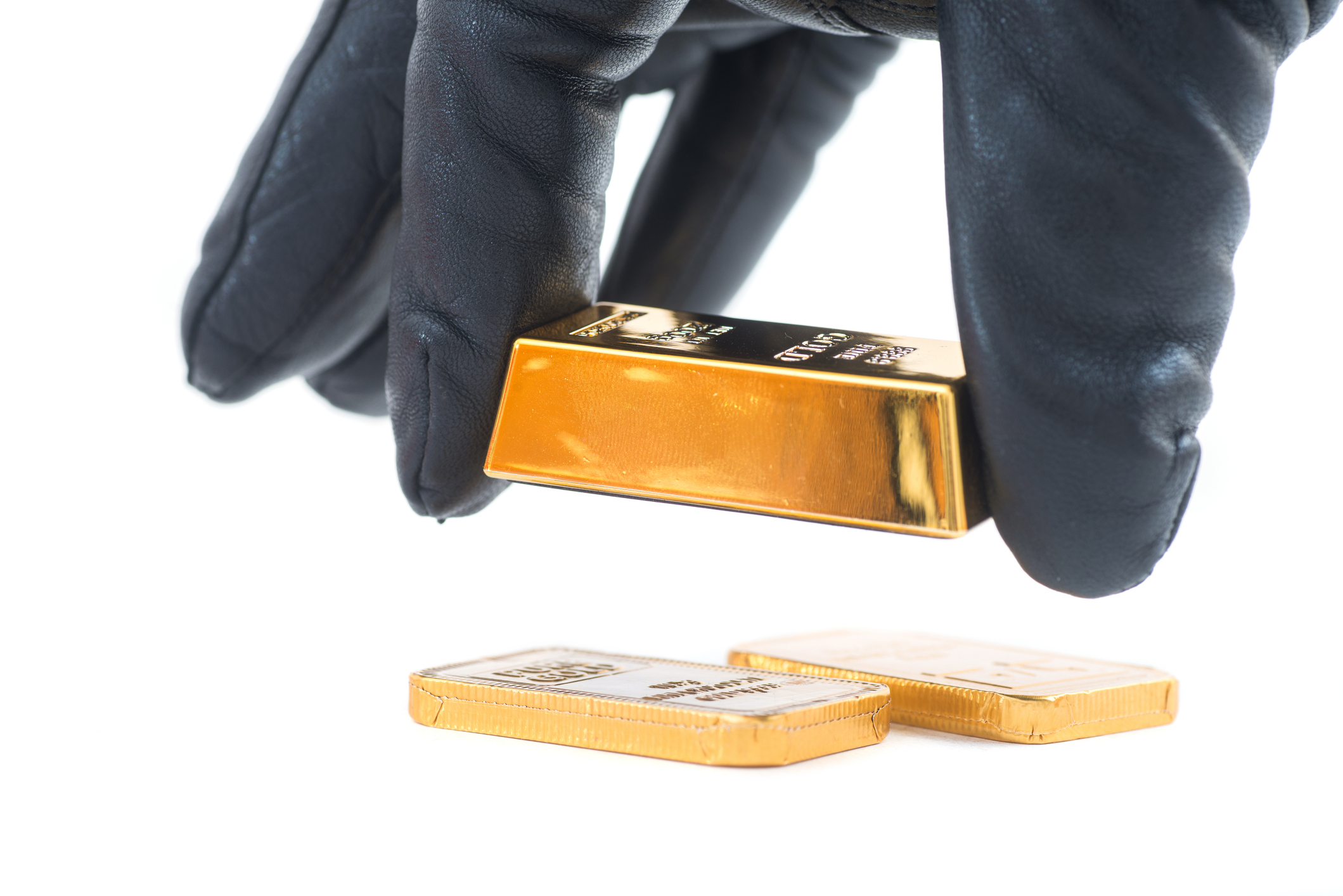 Look Out for These Gold Bar Scams as Prices Surge
Fraudsters impersonating government agents are convincing victims to convert savings into gold — and handing it over in courier scams costing Americans millions.
-
 How to Turn Your 401(k) Into A Real Estate Empire
Tapping your 401(k) to purchase investment properties is risky, but it could deliver valuable rental income in your golden years.
-
 My First $1 Million: Retired Nuclear Plant Supervisor, 68
Ever wonder how someone who's made a million dollars or more did it? Kiplinger's My First $1 Million series uncovers the answers.


-
 Getting Out of an RMD Penalty
retirement When your brokerage firm miscalculates your required minimum distributions, you have recourse.
-
Borrowers Get More Time to Repay 401(k) Loans
retirement If you leave your job while you have an outstanding 401(k) loan, Uncle Sam now gives you extra time to repay it -- thanks to the new tax law.
-
It’s Not Too Late to Boost Retirement Savings for 2018
retirement Some retirement accounts will accept contributions for 2018 up until the April tax deadline.
-
 How to Correct a Mistake on Your RMDs from IRAs
retirement If you didn't take out the correct required minimum distribution because your brokerage firm made a mistake, the IRS may show some leniency.
-
Making the Most of a Health Savings Account Once You Turn Age 65
Making Your Money Last You’ll face a stiff penalty and taxes if you tap your health savings account for non-medical expenses before the age of 65. After that, the rules change.
-
Reporting Charitable IRA Distributions on Tax Returns Can Be Confusing
IRAs Taxpayers need to be careful when reporting charitable gifts from their IRA on their tax returns, or they may end up overpaying Uncle Sam.
-
Make the Most of the New Military Retirement Plan
retirement The government is offering a new retirement option so that service members who leave the military before qualifying for a pension can still receive some benefits.
-
How Changes in Income Affect Medicare Premiums
Medicare Medicare beneficiaries can see their premiums go up if their income rises, although for some that increase will be only temporary.

