Why SNL’s Viral "Sister" Sketch Hit So Close to Home — And How Families Can Fix It
"Sister" hilariously shows how unpaid daughters carry the bulk of elder care in America. Estate planners explain how to compensate family caregivers before resentment sets in.

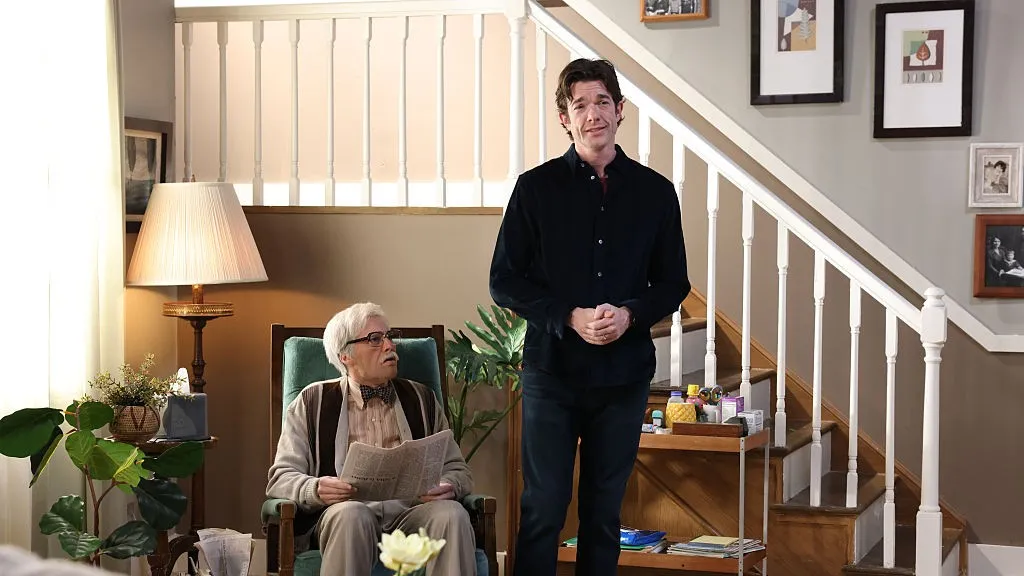
A viral Saturday Night Live skit called "Sister" is making waves this week — not for taking on politics, but for exposing an uncomfortable truth about how families handle aging parents.
The parody pharma commercial opens with actor John Mulaney playing an earnest son who doesn't want to put his father in a nursing home, but can't afford a home health aide. "That's when I heard about Sister," he says. "Sister is a live-in 24/7 elder care provider that is completely free — and also your sister."
The mock commercial then pivots to the science behind the solution: "Years of internalized sexism warp Sister's brain into thinking caretaking is her responsibility."
From just $107.88 $24.99 for Kiplinger Personal Finance
Become a smarter, better informed investor. Subscribe from just $107.88 $24.99, plus get up to 4 Special Issues

Sign up for Kiplinger’s Free Newsletters
Profit and prosper with the best of expert advice on investing, taxes, retirement, personal finance and more - straight to your e-mail.
Profit and prosper with the best of expert advice - straight to your e-mail.

A scenario that's all too close to reality
The skit drew millions of views because the data behind it isn't funny at all. The National Alliance for Caregiving and AARP say 63 million Americans are providing care today. But 61% of those caregivers are women, compared to 38% of men.
The report also found that 64% of caregivers experience high emotional stress. Caregivers who feel forced into the role (56% of respondents) have worse mental health outcomes.
The financial toll on caregivers is also real. AARP reports that caregivers could lose $120,500, on average, over their lifetimes due to lost wages and future Social Security benefits. And the Center for the Study of Social Policy says female caregivers 50 and older have 58% less retirement wealth than those who aren't caregivers.
Rob Klein, long-term care planning strategist at CAREfidence, wasn't thrilled with the skit.
"While it got some laughs, it's actually not a joke," he says. "Families with daughters, especially when the daughter is the youngest child, often become the default caregiver when the parents never put together a detailed written or documented plan."
Klein says daughters who are stuck doing the heavy lifting often have to put their careers and families on hold. And those who end up in that unenviable "Sister" role often see their relationships with their own siblings sour.
"I have seen it split up families because [the caregiver] winds up hating her siblings, often brothers, who did nothing or little," he says.
And, like the skit stated so emphatically, in Klein's experience, "After the parents die, the siblings who did nothing for Mom and Dad's care get the same share of the inheritance."
"Using Sister won't change your inheritance. You'll still get 50% of the house she's currently deep-cleaning." — A "son" in the Sister" skit.
There are ways to compensate children who provide care
While the premise of "Sister" is that the daughter does all the work without pay, there are ways to compensate a child who steps up to provide care for aging parents, says Andrew Hope, founding attorney at Hope Law Firm. However, he says, "The arrangement needs to be established by the parents while they’re alive and have the legal ability to make and document those decisions."
Hope says one option is to create a formal caregiver agreement while aging parents are still competent.
"This agreement will outline the services the child will provide, their expected responsibilities, and the compensation the parents will provide in return," he states, adding that such a document is often better than promising a larger share of the estate because it creates a clearer record of the parents’ intention and the value being provided.
Another option, says Hope, is for parents to adjust their inheritance and leave more to the caregiving child.
"The key," says Hope, "is to treat caregiving as something that can purposefully be incorporated into the parents’ estate plan rather than waiting until after their passing."
Some Medicaid programs also allow adult children to be paid as family caregivers, though eligibility rules are strict and vary widely by state.
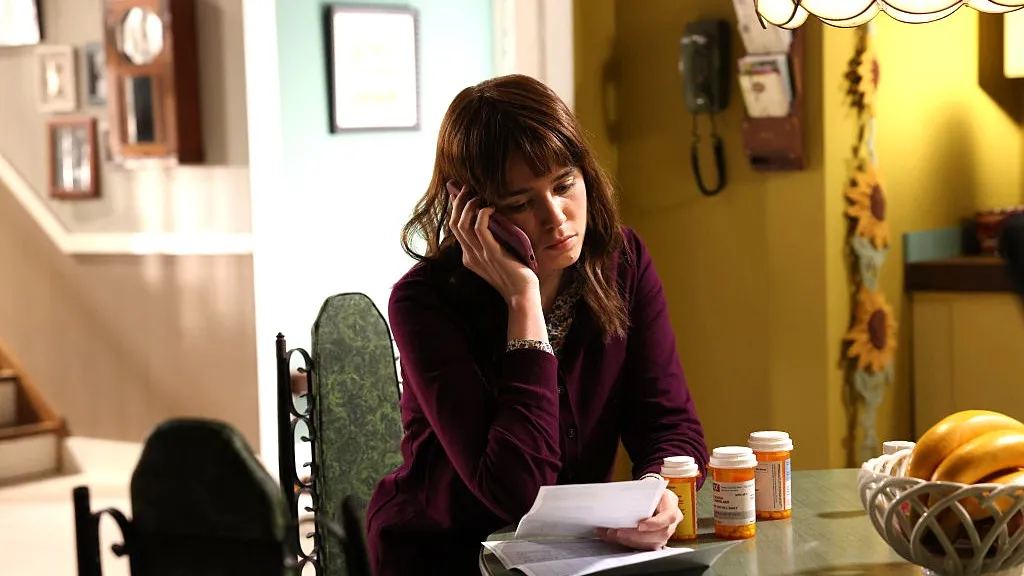
Jane Wickline in the "Sister" sketch on Saturday Night Live.
Avoiding caregiver burnout
Many caregivers are forced to juggle that responsibility alongside working, maintaining a household, and keeping up with financial obligations. The mental health toll can be significant.
If you're struggling as a caregiver of aging parents, try setting boundaries and having open conversations about what you can and cannot handle. And if you have siblings, don't let them off the hook easily. Call a family meeting and aim to create a caregiving plan that eases the burden as much as possible.
If your siblings live far away or have demanding jobs, ask them to contribute financially — such as paying for a home health aide a few shifts a week to take some hours off your plate.
Ideally, though, it's best to have these conversations with your parents and siblings before you reach the point when you're providing frequent care. Discuss options such as long-term care insurance (ideally years before they need it) and find out whether your parents are open to assisted living or in-home help from a paid health aide before they need it.
That could help prevent a situation where you're forced into becoming the sad but relatable "Sister" who's stuck in a thankless caregiving role.
Read More