5 Hidden Signs of Heat Damage Around Your Home
You might be used to watching for freeze damage, but heat can cause just as much destruction. You should do these checks now as summer ends.


With the official start of fall just a few weeks away, many homeowners are ready for the heat to let up and the electricity bills to go down. This is the ideal time to take a walk around the outside of your house and check for any lasting damage the relentless heat of summer might have caused this year.
While you may already be familiar with the risks of winter damage, like frozen pipes and leaky roofs, summer can also do a number on your home – and often the damage isn't immediately obvious unless you know what you're looking for.
If you haven't done an inspection since winter ended, now is a great time to check for these five signs of heat damage around the home and learn how to address them and which ones home insurance might cover.
From just $107.88 $24.99 for Kiplinger Personal Finance
Become a smarter, better informed investor. Subscribe from just $107.88 $24.99, plus get up to 4 Special Issues

Sign up for Kiplinger’s Free Newsletters
Profit and prosper with the best of expert advice on investing, taxes, retirement, personal finance and more - straight to your e-mail.
Profit and prosper with the best of expert advice - straight to your e-mail.
1. Cracks in your foundation from subsidence

In some states, like Texas and Missouri, the threat heat poses to a home's foundation is already fairly well known. But in states that are still getting used to blistering hot summers, you might not even think to check for (or prevent) subsidence around your home.
Primarily a threat in clay-heavy soils, subsidence happens when soil expands with moisture during wetter or cooler months and then contracts during hot, dry weather. Over time, that cycle of expansion and contraction can cause cracks to develop in your foundation.
Foundation damage can show up as cracks around windows and doors as well as on the foundation itself. It might also show up as a window or door not shutting like it used to. In some homes, normal swelling and shrinking of wood from changing humidity can cause windows and doors to stick a bit. But if you notice them being even harder to open and shut than you're used to with the changing season, it could be a sign to get your foundation inspected.
This is important for homeowners to stay on top of because subsidence is usually categorized as "earth movement," which is typically excluded by standard home insurance. However, if you purchase earthquake insurance (which usually includes most common forms of earth movement), you might be able to get this covered.
To prevent this next summer, you may need to set a reminder to water your foundation during hot, dry weather. Typically, homeowners are advised to keep water as far away from their foundation as possible. But if you have heavy clay, you might be one of the exceptions.
Not sure if your soil is the kind that needs watering? Check around your home after a hot, dry spell to look for signs of cracked soil anywhere that you don't regularly water. Pay special attention to the soil along the edge of your home. If you can see areas where the soil has pulled away from your house, that's a sign that it shrinks and swells severely enough to require watering – even if you don't see any cracks in the foundation yet.
2. Siding distortion

Vinyl siding is an affordable and attractive option for upgrading your home. But it's also susceptible to melting (or distorting) in the heat. This is a bigger risk for siding that's facing a neighbor's window or other reflective surface, since this concentrates and targets sunlight on a specific spot for prolonged periods.
As you walk around the house inspecting your foundation and checking for cracks near windows and doors, check the siding while you're at it. Look for any patches that might look a little distorted or warped.
If you see any signs of distortion, the first step is to check the manufacturer's warranty if you happen to know the manufacturer. This kind of damage might be covered by the warranty if your siding is new enough to be under warranty. If not, you'll likely have to cover the repair out of pocket, as home insurance typically only covers siding distortion if it was caused by a covered peril (like a fire).
To prevent this next summer, identify any possible source of reflected sunlight that might have caused the distortion. If it's a neighbor's window, for example, you might be able to put up a temporary screen or plan to plant a hedge between your houses to block the reflected light.
3. Cracked or blistered roof shingles

Once you've finished your walk-around inspection, get up on the roof if you're comfortable doing so. If not, you can hire a pro to do the inspection. Your roof should be inspected twice a year: Once after winter, when the freeze-thaw cycle or heavy snow might have damaged your roof, and once after summer, when extreme heat and fluctuating humidity levels can cause shingles to crack or blister.
In both cases, damage may not be severe enough after a single season to cause leaking or other issues in your roof. But catching and repairing minor damage regularly can prevent more severe problems down the line.
Another reason to make those repairs now while they are still minor: Your home insurance probably won't cover it. As with siding, roof damage is usually only covered if the cause is a covered peril like hail or fire.
To prevent this next summer, you can apply a reflective sealant to shingles that protects your roof by bouncing solar radiation and UV rays back up rather than allowing them to absorb into the shingles. This can also block heat from entering the home, so you might also see lower cooling costs next summer.
4. Mold growth in your basement, bathrooms or other damp spaces

If you have a basement, you probably already know it's prone to dampness. The same is true for any room in your house that has plumbing, like bathrooms, kitchens, and laundry rooms. When you combine already damp spaces with the warmth of summer, you have a recipe for mold.
While at-home mold test kits might seem like the right move, they're not really that helpful. The amount of airborne mold spores can fluctuate dramatically from one hour to the next, so you might get a negative because you tested at a time when the spore count happened to be low. Those that test samples scraped from a surface are limited in use for the same reason. The small patch of wall you sampled might not have mold on it, but the patch two inches to the left might.
Instead, do a thorough visual inspection of the high-risk rooms in your home to look for the orange or black discoloration characteristic of mold growth. If you find visual evidence of mold but it seems minor, you can try cleaning the area with bleach or vinegar thoroughly. But continue monitoring the area periodically to see if the mold comes back. If it does, you might need to bring in professional mold remediators to find and fix the underlying source of the problem.
Whether or not mold remediation will be covered by your home insurance is a tricky issue. If the cause can be traced to a covered peril, like a burst pipe or water heater, you might be able to file a claim. If not, you might be out of luck.
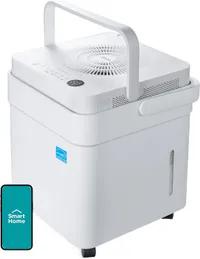
To prevent this next summer, one option is to keep your HVAC system running all season long to keep humidity and temperatures under control. If the risk is only in certain rooms of the house, however, a more cost-effective option might be to get dehumidifiers for just those rooms. According to the EPA, maintaining humidity levels between 30% and 50% will prevent mold growth. As an added bonus, lower humidity also discourages pests like cockroaches and dust mites.
5. Spoiled food and damaged medicine

Even if you run the air conditioner, some parts of your home can end up hotter than others – such as a kitchen cupboard mounted to an exterior wall or a medicine cabinet in a bathroom that has no A/C vent.
Heat aside, summer is also a time when pests and mold spores are more numerous and more likely to find their way into your home.
You may have already started stashing some produce that you'd normally keep on counters in the fridge to prevent spoilage. But things like coffee, spices and vitamin supplements should all get moved somewhere cooler as well.
Now is the time to check for signs of spoilage or stale smells in all of your pantry staples and toss anything that seems suspicious. In your medicine cabinet, look for changes in color, texture or smell in your medicines, supplements and even cosmetics.
To prevent this next summer, make a list now of heat-sensitive items in your home that you'll move to a cooler, drier area. This can be as simple as moving them away from exterior walls and keeping them in a bin in a room that is air conditioned most of the day.
Related content