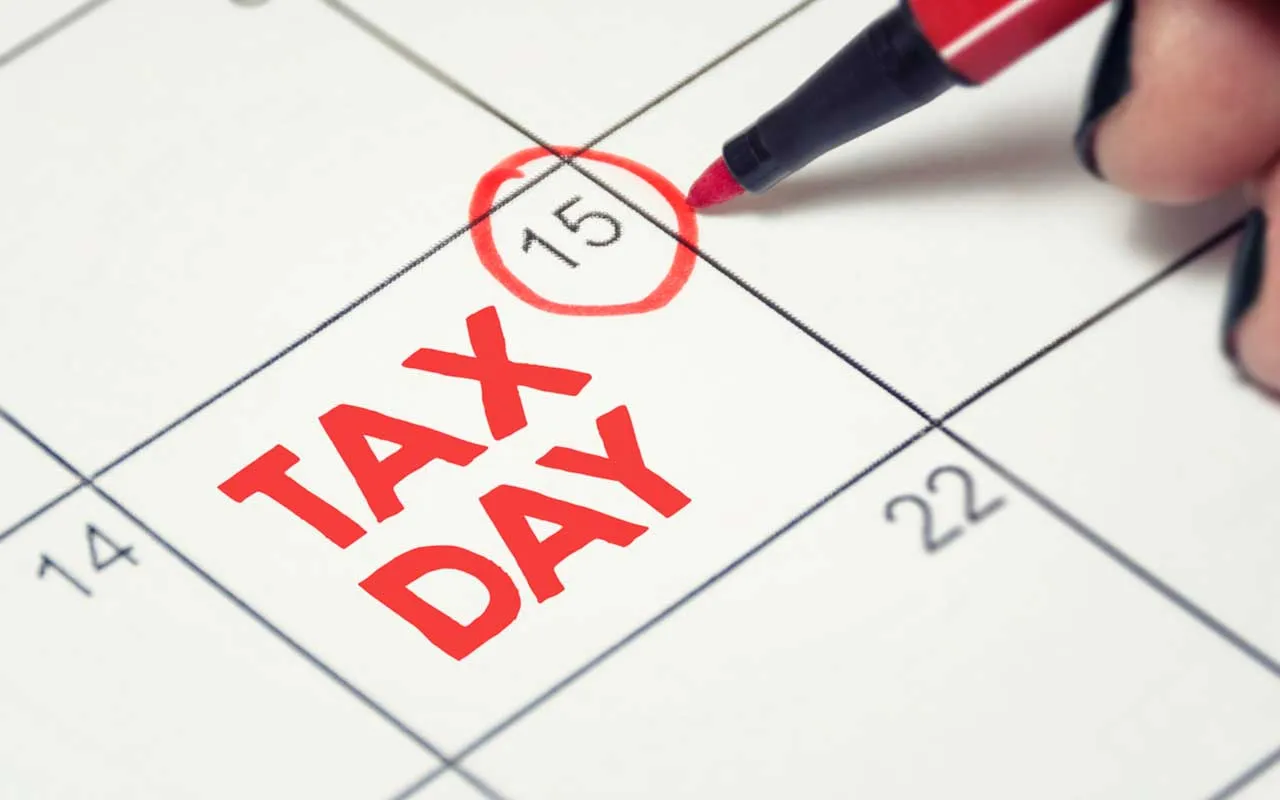
Income Tax Returns and Payments Extended
The IRS has pushed back the April 15 tax return filing and tax payment deadline to help Americans struggling with the coronavirus crisis.
Ordinarily, taxpayers have until April 15 to file their tax return and pay any tax due. But these are not ordinary times.
The IRS has announced that businesses and individuals will have until July 15, 2020, to file and pay their 2019 taxes. The deferral is part of broad plans by the Trump administration to provide financial relief to Americans during the coronavirus pandemic. (For other actions and proposals to boost the economy, see 11 Coronavirus Stimulus Measures That Could Help You in 2020.)
The administration initially wanted to maintain the April 15 filing date but allow individuals and businesses to postpone payments until mid-July. However, tax professionals and some lawmakers urged the IRS to postpone the filing date as well, arguing that many tax preparers have been unable to meet with clients because of the risk of contracting the coronavirus.
From just $107.88 $24.99 for Kiplinger Personal Finance
Become a smarter, better informed investor. Subscribe from just $107.88 $24.99, plus get up to 4 Special Issues

Sign up for Kiplinger’s Free Newsletters
Profit and prosper with the best of expert advice on investing, taxes, retirement, personal finance and more - straight to your e-mail.
Profit and prosper with the best of expert advice - straight to your e-mail.

"The reality is that it will be impossible for every taxpayer and their CPA to prepare and file their taxes in the current environment," Tom Hood, executive director of the Maryland Association for Certified Public Accountants, said in a statement.
We expect most states to follow the IRS and push back their filing and payment deadlines as well. However, you should check with your state's tax agency to confirm and to get additional details specific to your state.
If you're expecting a refund—and typically about 70% of taxpayers get one—you should still file as soon as possible. Through mid-March, the average refund was slightly under $3,000. The Trump administration is also encouraging Americans to file their tax returns as quickly as possible so that more people get refunds sooner, which means more cash available for taxpayers who may be facing financial hardship.

Profit and prosper with the best of Kiplinger's advice on investing, taxes, retirement, personal finance and much more. Delivered daily. Enter your email in the box and click Sign Me Up.

Block joined Kiplinger in June 2012 from USA Today, where she was a reporter and personal finance columnist for more than 15 years. Prior to that, she worked for the Akron Beacon-Journal and Dow Jones Newswires. In 1993, she was a Knight-Bagehot fellow in economics and business journalism at the Columbia University Graduate School of Journalism. She has a BA in communications from Bethany College in Bethany, W.Va.
-
Stocks Keep Climbing as Fed Meeting Nears: Stock Market TodayA stale inflation report and improving consumer sentiment did little to shift expectations for a rate cut next week.
-
Your End of Year Insurance Coverage Review ChecklistStop paying for insurance you don't need and close coverage gaps you didn't know about with this year-end insurance review.
-
Crypto Trends to Watch in 2026Cryptocurrency is still less than 20 years old, but it remains a fast-moving (and also maturing) market. Here are the crypto trends to watch for in 2026.
-
Are You Middle-Class? Here's The Most Tax-Friendly State For Your FamilyTax Tips We found the state with no income tax, low property tax bills, and exemptions on groceries and medicine.
-
Social Security Benefits Quiz : Do You Know the IRS Tax Rules?Quiz Social Security benefits often come with confusing IRS tax rules that can trip up financially savvy retirees and near-retirees.
-
How Are I Bonds Taxed? 8 Common Situations to KnowBonds Series I U.S. savings bonds are a popular investment, but the federal income tax consequences are anything but straightforward.
-
Capital Gains Tax Quiz: How Well Do You Really Know IRS Investment Tax Rules?Quiz Take our capital gains tax quiz to test your investment taxes knowledge. Learn about loss rules, holding periods, and tax incentives that could impact your savings.
-
6 Tax Reasons to Convert Your IRA to a Roth (and When You Shouldn't)Retirement Taxes Here’s how converting your traditional retirement account to a Roth IRA can boost your nest egg — but avoid these costly scenarios.
-
Could Tax Savings Make a 50-Year Mortgage Worth It?Buying a Home The 50-year mortgage proposal by Trump aims to address the housing affordability crisis with lower monthly mortgage payments. But what does that mean for your taxes?
-
3 Ways High-Income Earners Can Maximize Their Charitable Donations in 2025Tax Deductions New charitable giving tax rules will soon lower your deduction for donations to charity — here’s what you should do now.
-
An HSA Sounds Great for Taxes: Here’s Why It Might Not Be Right for YouHealth Savings Even with the promise of ‘triple tax benefits,’ a health savings account might not be the best health plan option for everyone.