5 Ways to Help Control Your Taxes in Retirement
Taxes aren't something retirees can deal with once a year. They are something you need to plan for all year, every year. Here's an overview to help get you started.

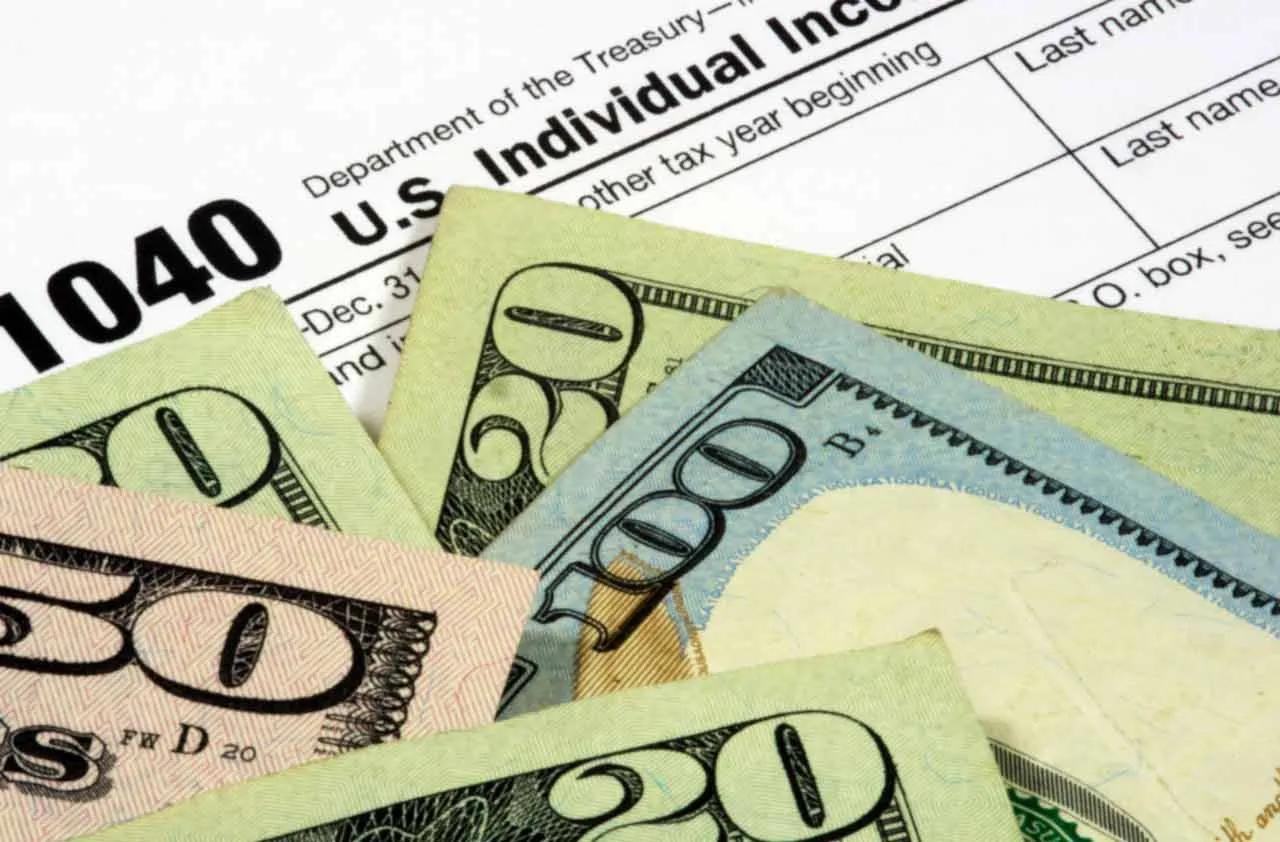
Many people only think about taxes when they’re forced to.
It might be when they fill out a tax document for work or when they tuck away a receipt for a deductible expense or charitable gift. And, of course, people inevitably think about taxes when April 15 is looming large on the calendar, as they pull all their paperwork into a pile for their tax preparer or to do it themselves.
They’ll cross their fingers and hope they don’t owe anything — and that maybe they’ll even get some money back.
From just $107.88 $24.99 for Kiplinger Personal Finance
Become a smarter, better informed investor. Subscribe from just $107.88 $24.99, plus get up to 4 Special Issues

Sign up for Kiplinger’s Free Newsletters
Profit and prosper with the best of expert advice on investing, taxes, retirement, personal finance and more - straight to your e-mail.
Profit and prosper with the best of expert advice - straight to your e-mail.
But hope is not a plan — especially in retirement. That year-to-year approach won’t cut it if you want to potentially avoid future tax liabilities, thanks to all that tax-deferred money sitting in your qualified retirement account. You’ll want to consider a long-range, proactive plan to help protect your future security.
While you’re thinking about your taxes for 2017, why not start looking at ways you can control your taxes every year in retirement? Here are some steps you can take:
1. Develop a forward-looking, tax-efficient plan.
Here are some questions you can ask yourself as you evaluate how you can keep more money in your pocket instead of handing it over to the IRS:
- What do I think the future tax brackets are going to be? Even after President Trump signed the tax overall bill into law for 2018, there are likely to be other changes through the years.
- How will my tax bracket change when I retire? Some people believe their taxes will go down in retirement — but that isn’t always the case, particularly in the first few years, when you’re likely to be more active and, thus, drawing more income. And you may lose some deductions you’ve had in the past if you pay off your mortgage or close your business.
- What’s my income going to look like? Your overall retirement plan should include an accurate income plan that can help you assess how much money you’ll be getting from various sources. Don’t forget that some of your Social Security income may be taxable.
- What’s my required minimum distribution (RMD) going to be? When you reach 70½, you’ll have to start taking withdrawals from your tax-deferred accounts (your 401(k)s and traditional IRAs) — and the percentages used to figure those amounts increase every year.
- Do I want my loved ones to pay taxes on the money they inherit? If you don’t, you’ll have to put a plan in place to protect them.
2. Diversify among your account types.
Many workers today are putting all or most of their savings into some kind of qualified retirement account, such as a 401(k), 403(b) or IRA. Those tax-deferred accounts have real appeal when you’re accumulating money. But savers tend to forget that when it’s time to take the money out, they’ll have to pay ordinary income tax on every dollar. Once you turn 59½, you can move some of that tax-deferred money into different financial vehicles, such as a Roth IRA or a cash-value life insurance policy, without paying a penalty. If you want to potentially avoid a giant tax bill today, you can convert in small amounts, instead of a lump sum. Since the conversion would be considered a taxable event, the taxes would be paid at the time of conversion.
One advantage of making the move is that you’ll no longer have to take RMDs. Additionally, based on your situation, your investment gains and withdrawals could be tax-free going forward.
3. Try to have some control over your income.
Take time to understand your options as you tap various income streams. Maybe you can delay taking Social Security until you’re done converting tax-deferred money into a Roth account. Or perhaps you can hold off on selling a long-held stock or rental property until you’re in a lower income year so the gains won’t throw you into a higher tax bracket. Talk to your accountant and/or financial adviser about other tools that are available, such as donor-advised funds or a qualified charitable distribution.
4. Blend your withdrawals from different account types.
Often when retirees want to make a major purchase or go on a trip, they have to pull money from their investment savings to pay for it. If they take it all from a tax-deferred account, it can bump them into the next tax bracket and result in a higher tax bill. But if you have both pretax and after-tax accounts, you have options. For example, let's say you wanted to purchase a new car for $40,000, if all your liquid assets are in a traditional IRA, then your options are to finance the whole thing or withdrawal $40,000 … plus the applicable taxes. If you have some Roth IRA after-tax funds and a traditional IRA, you can blend the withdrawals to potentially minimize your taxes.
5. Have a clear plan for the investments you hold inside each account type.
Many people decide they want a 60-40 stock-bond split — and they use that mix in all their accounts. Their IRA looks the same as their Roth, and their Roth looks the same as their brokerage account. When choosing the investments inside each account, be aware of the different advantages they offer. For example, the best use for your Roth might be as a pure growth-focused vehicle. Roths buy you time to allow the market to recover because you don’t have RMDs. Your IRA might be a better place for your conservative investments.
If you want to prepare your taxes yourself and you feel you’re capable, go for it. If you want to do your own investing, you probably can figure that out, too.
But when you’re planning your retirement future, I recommend talking to a financial adviser who specializes in retirement income planning. He or she can provide you with a comprehensive plan that includes tax-efficient strategies that will help you hold on to the money you worked so hard to save.
Kim Franke-Folstad contributed to this article.
Neither the firm nor its agents or representatives may give tax or legal advice. Individuals should consult with a qualified professional for guidance before making any purchasing decisions. Investment advisory services offered only by duly registered individuals through AE Wealth Management LLC (AEWM). AEWM and Ensign Wealth Management are not affiliated companies.
The appearances in Kiplinger were obtained through a PR program. The columnist received assistance from a public relations firm in preparing this piece for submission to Kiplinger.com. Kiplinger was not compensated in any way.