Features

-
 The Boots Rule of Retirement Tax Planning
Retirement Tax Here's how retirees can stop compounding tax leaks without large, expensive Roth conversions.
By Kate Schubel
-
 Self-Funding Long-Term Care? That Could Be a Big Mistake
Using an IRA to cover significant long-term care costs could cause your taxes and Medicare premiums to rise, and leave your family facing some tough choices.
By Hans Scheil, CFP®, CLU®, ChFC®, CASL®, CLTC®
-
 Retire in 2027 or Work One More Year? How to Decide
Record 401(k) balances are tempting, but inflation is stubborn. Take this choose-your-own-path guide to see if you are truly ready for your next chapter.
By Donna Fuscaldo
-
 6 Ways the Drawdown Phase Catches New Retirees By Surprise
You've aced saving for retirement, but having to spend your money may come as a shock. This is what's likely to trip you up and how to adjust your habits.
By Jeff Judge, CFP®, ChFC®, CLU®, AEP®
-
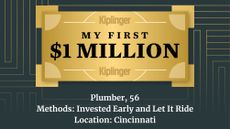 My First $1 Million: Plumber, 56, Cincinnati
"I never once pulled anything out, no matter how bad the market got, like in 2008. I stayed the course, and it has paid off, so far."
By Joyce Lamb
-
 5 Halloween Jump Scares Hiding in Your Retirement Account
Ghosts, goblins and witches aren't the only things retirees need to fear this Halloween. These five retirement mistakes can cost you a monstrous amount.
By Donna Fuscaldo
-
 Finfluencer or Financial Expert? 7 Ways to Tell Before You Invest
Social media is a great place to learn about money, but popularity doesn't equal expertise. Here's how to separate useful financial advice from costly mistakes.
By David Conti, CPRC
-
 Amex and Airbnb Partnership: $850 in Travel Credits Explained
The new Amex and Airbnb partnership offers up to $850 in combined travel credits and bonus points. See who qualifies and whether the benefits are worth it.
By Choncé Maddox
-
 Should You Move to South Carolina or Just Vacation There?
South Carolina's charms and property prices tempt many visitors to retire there. Here's what that will really be like, according to a local financial adviser.
By Brandon M. Cox, CFP®
-
 How Avoiding Probate Can Derail Your Estate Plan
Strategies used to avoid probate can unintentionally override other parts of an estate plan. Here's how to ensure your loved ones receive assets as intended.
By Patrick M. Simasko, J.D.
-
 The Social Security Test Every Wealthy Retiree Must Take
When you work and collect Social Security benefits before your FRA, you are subject to the Retirement Earning Test that could result in a temporary reduction of your benefits.
By Donna LeValley
-
 How Much Do You Know About Stock Market Seasonality?
Quiz Is stock market seasonality signal or noise? Let's talk about patterns and tendencies we see across the trading and investing calendar.
By David Dittman
-
 9 Changes to Social Security in 2027
Higher payouts, new tax limits and updated earnings rules are coming in January. Here is everything retirees and workers need to know.
By Donna LeValley
-
 Memories Over Money: A Lesson in True Wealth
While financial security is important, the real secret to happiness is building a "memory balance sheet" of unforgettable experiences with the people you love.
By Evan T. Beach, CFP®, AWMA®
-
 How Much International Exposure (If Any) Should Your ETF Portfolio Have?
International stocks can improve diversification, but U.S. investors still need to decide how much foreign exposure belongs in an ETF portfolio.
By Tony Dong, MSc, CETF
-
 Family Financial Planning Starts With Communication
How much do you know about your family's life insurance and financial planning? Talking about it will create clarity now, before it becomes urgent.
By Jared Nepa
-
 5 Little-Known Retirement Tax 'Gotchas'
Retirement Hidden rules, automatic surcharges, and tax-bracket traps can catch even careful retirees off guard. Here's what to know.
By Kate Schubel
-
 Should You Get Home or Car Insurance Through Costco?
Costco car and home insurance policies offer many perks for Costco members, including discounts and extra coverage options for more protection.
By Paige Cerulli
-
 How to Switch Car Insurance the Right Way
Switching car insurance companies could save you hundreds. Learn when and how to make the switch to maximize savings and avoid hidden fees.
By Daniel Bortz
-
 Do You Need Umbrella Insurance?
Umbrella insurance can protect you from financially devastating events that aren't covered by other policies.
By Ella Vincent
-
 New Hampshire Tax Guide
State Tax State tax rates and rules for income, sales, property, fuel, cigarette, and other taxes that impact New Hampshire residents.
By Kelley R. Taylor
-
 Connecticut Tax Guide
State Tax Explore Connecticut's state tax rates for income, sales, property, retirement, and more. Learn how Connecticut compares nationwide.
By Katelyn Washington
-
 5 Best Momentum Stocks to Buy for More Upside in 2027
momentum stocks These high-flyers have outperformed this year and look set for more gains next year, too. Here are the best momentum stocks to buy right now.
By Jeff Reeves
-
 5 Stocks to Avoid as Interest Rates Rise This Fall
Rising interest rates mean higher borrowing costs and challenge companies with bad balance sheets. Here are five stocks to avoid as interest rates rise.
By Jeff Reeves
-
 3 Changes to Treasury Direct You Need to Know
If you need to redeem savings bonds or use other services, be aware of these changes to Treasury Direct.
By Ella Vincent
-
 The Best Aerospace and Defense ETFs to Buy
The best aerospace and defense ETFs can help investors capitalize on higher defense spending and hedge against the potential of a large-scale conflict.
By Tony Dong, MSc, CETF
-
 Why Avoiding Capital Gains Can Sometimes Cost You More
Taxes will often keep high-net-worth investors from selling highly appreciated stocks, but that can turn a manageable capital gain into a big portfolio loss.
By David Conti, CPRC
-
 How US Citizens Can Buy Property in Portugal
Buying a property in Portugal may be a good investment, but you'll need to jump through these legal, tax and administrative hoops before you get to call it home.
By Paul Stannard
-
 Guaranteed Retirement Income or Market Withdrawals? 3 Questions to Ask Yourself
Pay as you go or turn some of your retirement savings into a regular paycheck? Answer these three questions to see which approach makes the most sense for you.
By Donna Fuscaldo


