Flying Blind With Bitcoin: Should You Invest, too?
My own kids dabble in bitcoin. If you feel compelled to join the crowd, I have three pieces of advice for you.

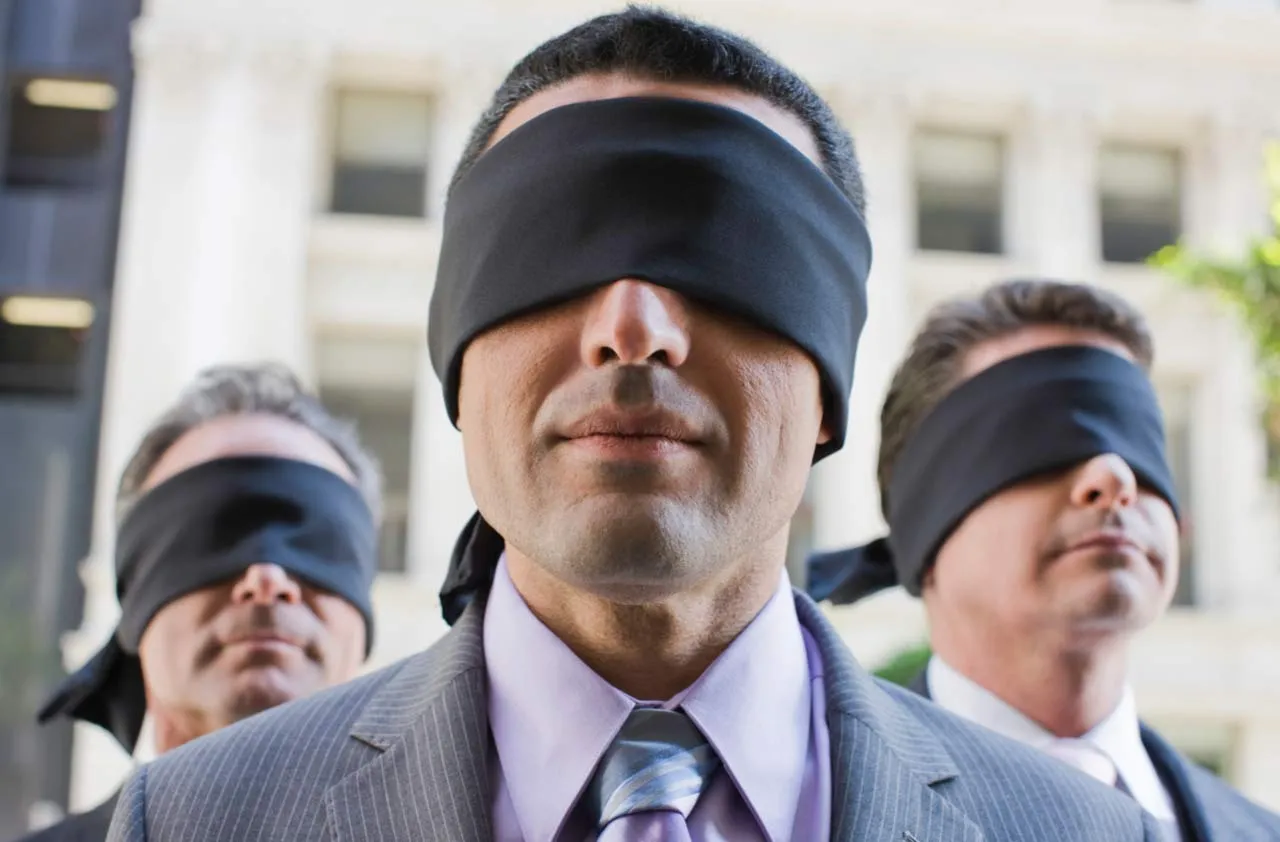
I can’t tell you the number of phone calls I’ve fielded about bitcoin in recent months. The shocking rise of cryptocurrencies this past year triggered a wave of media attention on this new form of money as an investment. Even my kids have asked me about it, and are investing themselves.
For early adopters of cryptocurrency, 2017 was a good year: The price of bitcoin rose about 1,500%. Litecoin, another cryptocurrency, recently jumped 73% in less than 24 hours right around the time bitcoin futures became available for the first time, in mid-December.
Of course, the market is changing so rapidly that this article is in danger of becoming outdated by the time you read this!
From just $107.88 $24.99 for Kiplinger Personal Finance
Become a smarter, better informed investor. Subscribe from just $107.88 $24.99, plus get up to 4 Special Issues

Sign up for Kiplinger’s Free Newsletters
Profit and prosper with the best of expert advice on investing, taxes, retirement, personal finance and more - straight to your e-mail.
Profit and prosper with the best of expert advice - straight to your e-mail.
But if you’re considering bitcoin or another cryptocurrency as a possible investment, I suggest you tread carefully. In this article, I’ll answer some common questions that I’m hearing about bitcoin, and I’ll offer a few insights into my perspective about cryptocurrency as both an innovation and an investment.
What is bitcoin?
In my opinion, many of the people who are buying into the bitcoin rush know very little about it, or about blockchain and cryptocurrencies in general. That means they haven’t thought through some of the risks and realities of this kind of investment.
Bitcoin is a cryptocurrency, which means that it’s a digital version of cash that relies on cryptography to protect and verify transactions — and to control the creation of more bitcoin. This system is built in something called blockchain, which is basically a new way of creating and maintaining a ledger of transactions. (I won’t get into the creation, or “mining,” of bitcoin here, but it’s part of the system.)
Every time bitcoin is created or traded, it’s recorded on the blockchain, which is verified and shared across a network of participants instead of by a single institution, like a bank. Blockchain is special because it’s transparent, while remaining difficult to modify. It also runs forever, meaning there’s a record of every single transaction ever made.
For a simple comparison, think of an online message board: Everyone’s messages are automatically added and recorded where every other reader can see them. All the messages from the very beginning of the thread are logged and displayed for all to see. However, in a message board you can usually delete or edit your message later on — you can’t do that with blockchain.
What’s it worth?
A November 2017 CNBC headline asserted, “It’s Official: Bitcoin is Bigger Than Disney.” In other words, the total dollar value of all the bitcoin out there is greater than the value of a large and recognizable company with assets that you can put a dollar value on.
But an economic argument for what a “reasonable” price is hasn’t been so easy to come by.
Bitcoin isn’t like a Disney: It doesn’t have assets you can sell, and it doesn’t have bonds that provide income, which you can buy. It also has limited use as a currency. Bitcoin doesn’t have a history as a reliable or broadly accepted store of value, like the dollar, and its “exchange rate,” or price, has rocketed up thanks to market demand — but not by the economic value of bitcoin itself.
Add to this the reality that about 40% of all bitcoin is held by just 1,000 people.
That makes bitcoin extremely sensitive to the whims of that very small group — and their actions aren’t regulated by securities authorities because bitcoin isn’t a security. Cryptocurrencies in general aren’t regulated, and it’s not clear they could be effectively regulated in the future. The government is not involved yet, and it may or may not get involved in the future — and it’s tough to know how it could affect prices and demand in the future.
When you add all this together, it’s difficult to see how bitcoin could be worth the prices it is reaching today. Right now, it’s supply and demand that is driving the price, so there’s no true valuation — or even a valuation process — that you can rely on. That makes me nervous.
So why all the hype?
Is bitcoin worth something? Probably.
Blockchain is pretty widely considered a significant improvement on transaction recording, and the real-world potential for digital currency could certainly be there. The way I look at it is that blockchain is the arms dealer in the war between cryptocurrencies. No matter which one wins — or even if none of them does — in my opinion it looks like blockchain will be here to stay.
I’ve been around long enough to know the lasting impact that a new technology can have on financial markets and the world as a whole. (Do you remember the first “personal computers”? I sure do.)
But I’ve also been around long enough to know that when you hear words like “new world order” it doesn’t always end well. There are unforeseen risks and even known weaknesses in the system. Just in December, a South Korean bitcoin exchange called Nicehash went out of business after hackers made off with an undisclosed amount of the currency, while earlier in the month $70 million was stolen from the Nicehash exchange.
Exchanges can make promises about making investors whole, but this is an unregulated market — there are no guarantees.
In other words, I think it’s important to understand that “new world order” doesn’t always mean “smooth sailing.” Back in 1999, people were laughing at Warren Buffett for not recognizing the world had changed in the dot-com era. Some of the companies founded in those days did end up changing the world (such as Amazon), but a lot of good people also lost their life savings in the hype (remember the doomed Pets.com and its sock puppet?).
What if I really want in?
For those who are determined to be part of the bitcoin rush, I have three pieces of advice.
First, do your homework. Understand the product and learn everything you can about how it’s being used, where the potential lies, and what could impact its price — for better or worse.
Second, don’t invest money you’re not prepared to lose. My typical advice is to cap these types of investments at 5% of investable assets, but even that might be too much, depending on your specific financial situation, personal financial needs and overall asset allocation. If you don’t know what you can lose without impacting your overall financial goals, check in with your adviser.
Finally, prepare for any outcome. In my opinion, this is a “zero or hero” investment: It might work brilliantly, or it might amount to nothing. In these types of situations, where price is driven by demand and where there are few fundamentals to work from, you need to brace for volatility and the potential for heavy losses.
Whatever you do, always do your homework
Cryptocurrency may very well stick around and be a successful innovation, just like the tech sector was. The question is which cryptocurrencies will stand the test of time and go on to be successful — and at what price.
This is notoriously hard to predict. For example, few could have foreseen that MySpace would be eclipsed by Facebook, or that Amazon would grow from online bookseller to retail juggernaut.
In other words, I don’t know what’s going to happen in bitcoin, but what I see right now is a lot of uninformed investors piling in — and very few reasoned arguments for where bitcoin “should” be in terms of value. In my opinion this is a problematic situation to walk into.
My reasoning is simple: I think that when we stop acting like informed investors — or even informed traders — and start believing that something will be the winning lotto ticket, we’re likely to get in trouble.
Are people making a lot of money on bitcoin right now, at least on paper? It sure seems that way. But I’m concerned about all the people who could be left holding the bag when and if the bitcoin rush turns.
Like Warren Buffett, in this case I’d rather miss out on the upside than risk experiencing the downside. You can call it being a dinosaur if you want: I just call it being prudent.
Written by Bradford Pine with Anna B. Wroblewska.
