Sunscreen, Shades and Meds: 11 Travel Must-Haves That Are Totally HSA Eligible
Traveling but forgot some essentials? Give yourself a "tax discount" on vacation necessities using your health savings account by following these IRS rules.

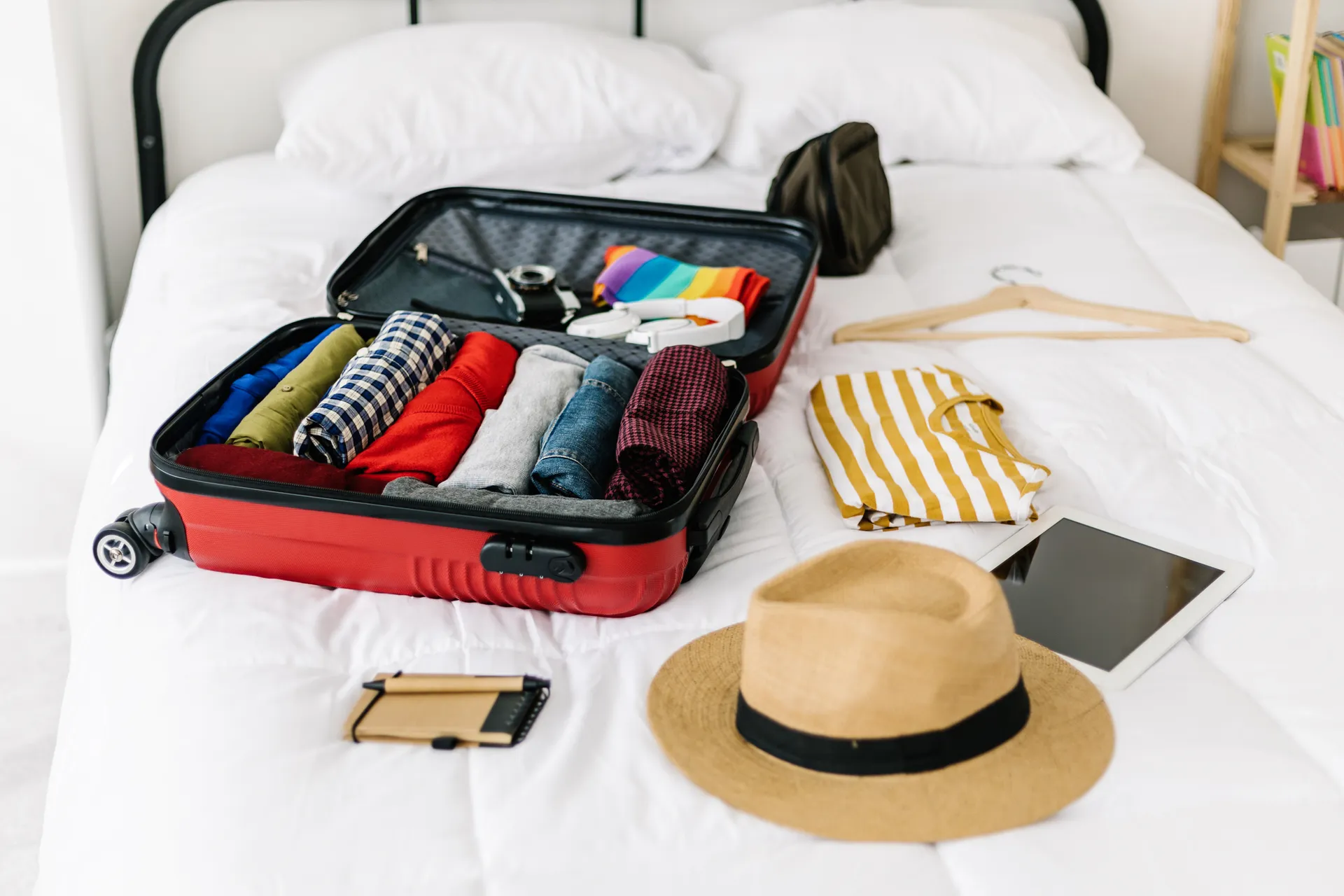
Ever arrive at a beach town only to realize you forgot your prescription sunglasses or high-SPF sunblock? It can be frustrating and expensive.
According to packing data from Radical Storage, the average traveler forgets two essential items per trip, resulting in about $53 in immediate replacement costs.*
Some replacements are a total loss, but did you know that you can turn others into a tax advantage?
From just $107.88 $24.99 for Kiplinger Personal Finance
Become a smarter, better informed investor. Subscribe from just $107.88 $24.99, plus get up to 4 Special Issues

Sign up for Kiplinger’s Free Newsletters
Profit and prosper with the best of expert advice on investing, taxes, retirement, personal finance and more - straight to your e-mail.
Profit and prosper with the best of expert advice - straight to your e-mail.
By leveraging your health savings account (HSA), you can repurchase forgotten essentials using pre-tax dollars — effectively giving yourself a 25-30% "tax discount" on vacation necessities (when combined with FICA savings).
Here are the most commonly forgotten travel items that are HSA-eligible and the strict IRS rules you need to know to possibly claim them.
*Radical Storage is a global luggage storage service that surveyed 1,511 Americans regarding their packing habits and the items they most commonly forget.
IRS Rules for HSA purchases in 2026
Before we dive into our list, let's cover the 2026 IRS rules for a purchase to be considered "HSA-qualified."
The expense must be primarily for the diagnosis, cure, mitigation, treatment, or prevention of a specific health condition for you, your spouse, or your tax dependents. Otherwise, you may owe penalties and taxes on non-qualified purchases.
Here's a handy guide to help you figure out if your purchase could be HSA-eligible:
- Check the "HSA store." Before you head to the register, use your HSA provider's mobile app. Many now let you scan a product's barcode to confirm eligibility. You can also browse pre-vetted items at the HSA Store or Amazon's HSA/FSA shop.
- Identify items requiring an LMN. Some travel aids, like high-grade compression socks or specialized orthopedic pillows, may require a letter of medical necessity (LMN) from your doctor to qualify. This letter details why the purchase is medically necessary for your or your spouse's/dependent's condition.
- Keep digital backups. Although your HSA debit card may be accepted at major pharmacies, the IRS requires proof of the item purchased, not just the total spent. Snap a photo of your receipt immediately and save it in your digital files.
Travel Essentials

1. Broad-spectrum sunscreen (SPF 15+)
Sun protection is one of the most frequent casualties of rushed packing, with 18.3% of travelers leaving it behind. But if you have to buy a replacement bottle at a pricey resort gift shop, your HSA has you covered.
- The IRS rule: The sunscreen must offer broad-spectrum protection and have an SPF rating of 15 or higher.
What about bug spray? Standard insect repellent is a "general health" item and is not HSA-eligible. However, if you buy a sunscreen that includes built-in bug spray, the entire purchase may become eligible, provided the primary purpose is qualified sun protection.
2. Prescription shades
According to the Radical Storage data, 17.6% of travelers forget their sunglasses when packing for a trip. And when you're planning outdoor fun, your eyes may need more than a $5 pair of gas station shades. Fortunately, replacing your prescription sunglasses might qualify for HSA eligibility.
- The IRS rule: Fashion shades and traditional, "beach shop" sunglasses don't qualify. You need prescription sunglasses designed to correct vision and protect against UV rays.
Beyond the frames, contact lens supplies and lubricating eye drops typically qualify for HSA eligibility. This includes travel-sized solutions, replacement cases, extra lenses, and over-the-counter (OTC) drops for dry "airplane eyes."
3. OTC medications
It may not come as a surprise that people often forget painkillers while traveling, with 13.7% of travelers reporting leaving home without their trusted bottle of OTC meds; many more medicinal remedies qualify for HSA spending, though.
- The IRS rule: No prescription is needed. You can purchase Advil, acetaminophen, and other pre-packaged OTC remedies to treat pain relief. Cold/flu medications are also generally included, as are motion sickness pills and antacids.
Not explicitly listed in the survey are personal care products, like tampons, pads, and acne treatments, which are HSA-eligible. This is thanks to the CARES Act, which permanently expanded the list of "qualified medical expenses" to include menstrual care and OTC medications without a doctor's prescription.
4. First aid kits
Unfortunately, 12.8% of travelers report leaving behind a first aid kit, which can be a crucial travel essential in case of emergency. Fortunately, these kits are often eligible for HSA spending.
- The IRS rule: Everything from premade first-aid kits and individual components (like bandages, gauze, and antibiotic creams) is eligible. Still, special non-medical carrying cases for the kit may not be covered.
5. Medicated moisturizers and aloe vera
The data shows that 10.9% of travelers forget to pack their daily moisturizer. If your skin takes a beating from the sun, wind, or airplane air, your replacement lotion might qualify for tax-free HSA funds, provided it meets IRS regulations.
- The IRS rule: Standard cosmetics and regular beauty lotions do not qualify. To use your HSA, the moisturizer must contain a specific medicated ingredient designed to treat a medical condition, such as severe sunburn, eczema, or dermatitis.
6. SPF Cosmetics and lip balms
Vanity kits are easily left behind, with 10.3% of travelers forgetting their makeup. Even though standard foundation or lip gloss is considered a personal care expense, your sun protective makeup may be HSA-eligible.
- The IRS rule: Lip balms, foundations, and skin tints qualify for HSA reimbursement only if they are explicitly labeled SPF 15 or higher, offer broad-spectrum protection, and primarily serve to prevent sunburn.
The survey did not mention allergy medications, yet the local environment on vacation can trigger new reactions. Thus, if you find yourself sniffling and suffering, know that most OTC antihistamines and nasal sprays are generally fully eligible.
7. Prescription meds
About 9.8% of travelers have been there: they got to their destination only to realize they forgot their meds. When you need to make a surprise run to a foreign pharmacy, here are the HSA eligibility rules governing prescription meds.
- The IRS rule: Always eligible, including "rush" refills. However, nutritional supplements, vitamins, and toiletries are merely for maintaining general health and are not considered qualified.
8. Underwear (that's medically necessary)
Only 9.6% of travelers forget their underwear while traveling, according to data from Radical Storage. Certain repurchases might be eligible for your HSA funds. (So no, your standard boxers don't count!).
- The IRS rule: Specialized "adaptive clothing" can be HSA-approved if it serves a medically necessary purpose, like a pumping bra, certain postpartum care products, etc. But general hygiene items are not eligible.
9. Specialized swimwear
Swimwear is often left in the dresser drawer, with 9.3% of travelers reporting forgetting bathing suits or similar wear at home. Though swim trunks might not qualify for HSA eligibility, you may be able to use tax-free funds on prescription swimwear.
- The IRS rule: Items for specialized wear, like prescription goggles or masks with corrective lenses, may qualify if they are used to treat a condition. Otherwise, an LMN may be necessary for other types of bathing suits.
Pro-tip:
The IRS generally views clothing as a personal expense. Ergo, while 12.1% of travelers forget their hats, you can typically only use HSA funds for one if a doctor provides an LMN for a specific condition. (Even then, only the price difference between a standard hat and that of, say, a specialized UV version, is typically eligible.)
11. Sneakers and sandals to treat a condition
Footwear like flip-flops and tennis shoes is often forgotten at home, with travelers reporting forgetting to pack these essentials 7.4% to 8% of the time. Though if you meet specific requirements, you might be able to repurchase them with HSA funds.
- The IRS rule: Shoes must directly help manage or improve a medical issue. Common examples include orthotic inserts, gel pads, and orthopedic footwear, though they may require an LMN.
What about accessories? Long flights can take a toll on the body, leading many travelers to invest in biometric trackers. In 2026, popular medical devices like the Oura Ring and certain smart watches may be HSA-eligible if they have an LMN from your doctor stating the specific condition the device monitors and/or treats.
Yet if you're using your HSA for a high-end medical device, many experts recommend paying out of pocket, then obtaining your LMN and submitting the receipt for reimbursement. This may help ensure your purchase meets IRS rules before linking the item to your HSA account.
Don't forget your passport
Approximately 6.3% of travelers report forgetting their passport, which is a major headache — but no, the replacement fees are not HSA-eligible (despite the blow to your mental health). However, your medical care in a foreign country is often covered by your HSA funds.
- The IRS rule: Passports aren't eligible for HSA spending. Instead, hospital and urgent care for legal, non-elective procedures and standard dental work abroad are often qualified tax-free expenses.
Prescription drugs may also qualify if they are consumed abroad (importing them back to the U.S. generally makes them ineligible). The drug must also be legal in both the country you bought it and back home in the U.S.
Also, many U.S.-based HSA debit cards won't work at international locations. Thus, you might want to pay with a travel credit card, keep the itemized receipt, and then reimburse yourself through your HSA portal once you're back on American soil.
Bottom line: Pack ahead
Although no one likes to realize they left their travel essentials behind, a forgotten bag doesn't have to mean a total financial drain.
By utilizing your HSA for these 2026 often-forgotten items, you can potentially get a discount on repurchased items. So pack carefully, keep a record, and enjoy the peace of mind that comes with a tax-advantaged suitcase, no matter what you forget.
Happy trails!
This article is for informational purposes only and does not constitute professional tax or financial advice. Tax laws are subject to change and vary by individual circumstances. Consult with a qualified tax professional regarding your specific situation.
Read More