Philip Seymour Hoffman’s $12 Million Estate Planning Mistake
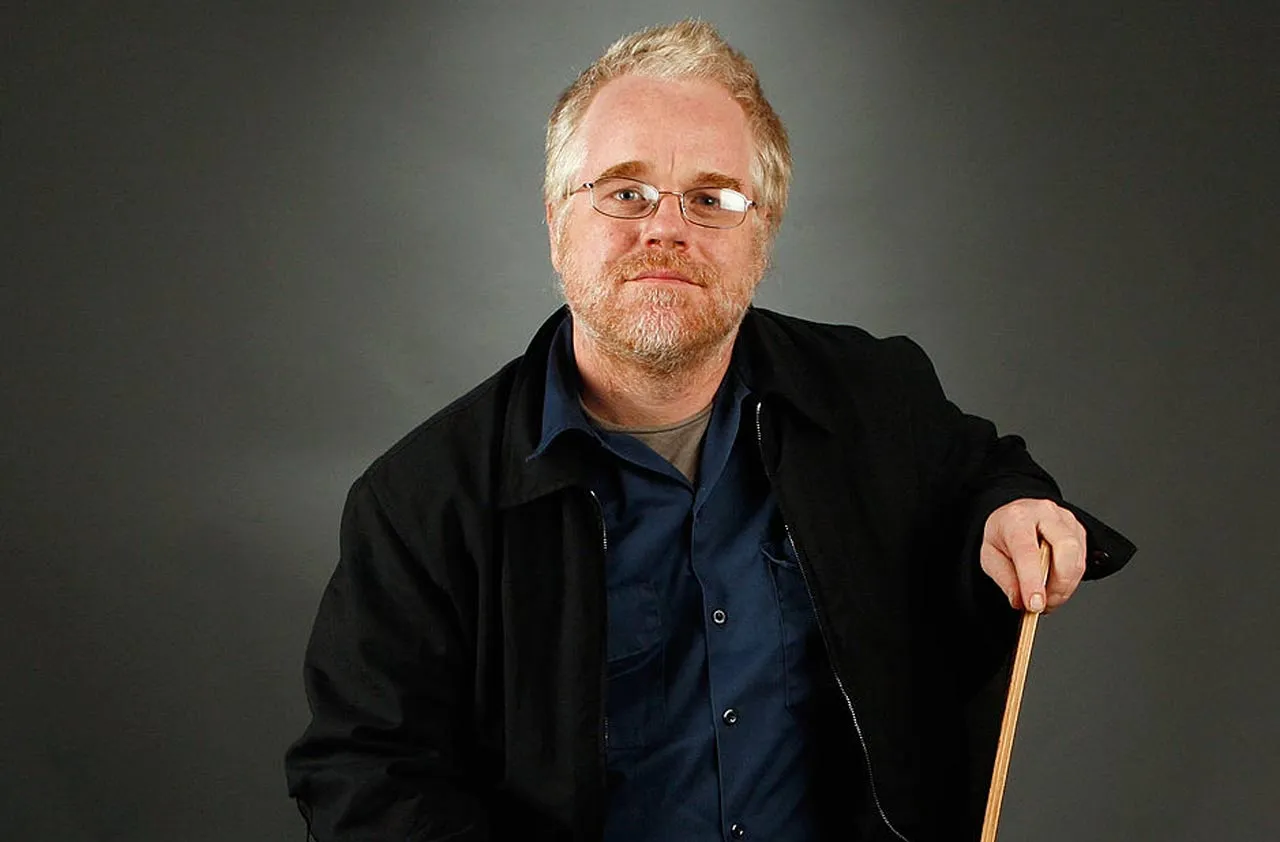
A few moves could have saved the loved ones of actor Philip Seymour Hoffman a lot of money. Even if you don’t have a $35 million estate, like Hoffman’s, there are some things you could learn from it.

You are now subscribed
Your newsletter sign-up was successful
Want to add more newsletters?

Delivered daily
Kiplinger Today
Profit and prosper with the best of Kiplinger's advice on investing, taxes, retirement, personal finance and much more delivered daily. Smart money moves start here.

Sent five days a week
Kiplinger A Step Ahead
Get practical help to make better financial decisions in your everyday life, from spending to savings on top deals.

Delivered daily
Kiplinger Closing Bell
Get today's biggest financial and investing headlines delivered to your inbox every day the U.S. stock market is open.

Sent twice a week
Kiplinger Adviser Intel
Financial pros across the country share best practices and fresh tactics to preserve and grow your wealth.

Delivered weekly
Kiplinger Tax Tips
Trim your federal and state tax bills with practical tax-planning and tax-cutting strategies.

Sent twice a week
Kiplinger Retirement Tips
Your twice-a-week guide to planning and enjoying a financially secure and richly rewarding retirement

Sent bimonthly.
Kiplinger Adviser Angle
Insights for advisers, wealth managers and other financial professionals.

Sent twice a week
Kiplinger Investing Weekly
Your twice-a-week roundup of promising stocks, funds, companies and industries you should consider, ones you should avoid, and why.

Sent weekly for six weeks
Kiplinger Invest for Retirement
Your step-by-step six-part series on how to invest for retirement, from devising a successful strategy to exactly which investments to choose.
Philip Seymour Hoffman was one of my favorite actors. He starred in Charlie Wilson's War, Hunger Games, Pirate Radio and many more major movies. His roles covered a wide range, from a priest in Doubt to a coach of the Oakland A's in Moneyball, which evidenced his unique ability as an actor.
Philip was a talented actor … but not a good estate planner. He died in 2014 and was survived by his girlfriend, Mimi, and their three children, ages 10, 7 and 5. He did not want "trust fund kids" so he used a will prepared by his CPA to leave his $35 million estate to his girlfriend. She was to provide for their children.
The lack of planning results in his estate owing estate tax of approximately $12 million. If Philip had married Mimi, his family would have saved approximately $12 million and paid no estate tax whatsoever.
From just $107.88 $24.99 for Kiplinger Personal Finance
Become a smarter, better informed investor. Subscribe from just $107.88 $24.99, plus get up to 4 Special Issues

Sign up for Kiplinger’s Free Newsletters
Profit and prosper with the best of expert advice on investing, taxes, retirement, personal finance and more - straight to your e-mail.
Profit and prosper with the best of expert advice - straight to your e-mail.
Philip also stipulated that funds were to be used for his kids to visit major metropolitan areas for the express purpose of providing his children with access to the arts. This is an example of an incentive provision or trust to help motivate his kids to become the adults that Philip wanted them to become.
The use of a will requires probate, resulting in delays, additional costs and public proceedings. For example, the probate costs for “ordinary services” in California, where I’m based, amount to largely statutory fees, resulting in approximately $376,000 for the first $25 million in estate value and an additional "reasonable amount" to be determined by the court for the remaining $10 million of estate value if that probate is based in California. Those fees are based upon the gross value of the assets without any reduction for liens, selling costs or mortgages. In addition to the statutory fees for ordinary services, extraordinary fees are paid for services related to the sale of real property or a business, tax matters, debt collection or negotiation.
Additional costs for a "living probate" or guardianship for each of the three children may also be required. In California, this typically would require a court appearance and fees every two years until they each turn 18. Fees can be substantial and will vary based widely upon the circumstances and needs of the minor child and the value, type and number of assets involved. They would receive any share of assets to be distributed to them at that time. Not a good age to receive significant wealth. Complete access to funds may result in his kids becoming the trust fund kids Philip hoped to avoid.
An average probate in California without litigation or other issues takes between nine months and 1.5 years. Philip's probate will almost certainly take longer due to the size and complexity. After the probate is completed, Philip's estate will be at risk after distribution to Mimi if she is sued, challenged by her creditors or even in a later divorce if she remarries. That legacy may also be reduced by a second estate tax on her death.
Philip could have provided for Mimi with a Personal Asset Trust, which would help protect her from divorce, lawsuits by predators or fortune hunters, creditors and even a second estate tax imposed on Mimi when she dies.
A similar approach could have been used for each of his children to protect them as well from claims against Philip's legacy throughout their entire lives. He also could have incorporated provisions or bonuses to pass on some of his personal values. For example, Philip wanted his kids to live near or at least visit New York, Chicago or San Francisco at least two times a year to gain an appreciation for the arts and cultural opportunities. He could also have incorporated financial incentives to help motivate his children as they grew up. He could have established specific ages for distributors (staged distributions) so that funds are received when the children are financially mature and able to make wise decisions. For example, one-third at age 25, one-third at 30 and one-third at 35.
We all evolve over our lives as to our ideas of what we "want" as opposed to what we "need." When I was younger, there was so much that I needed. Now, I find that, while there are many things I want, there is very little that I truly need. A financially mature person is better able to make those decisions.
Advanced estate tax planning could have been utilized to minimize and even avoid the estate tax liability upon both Philip’s death and in the future when Mimi dies. Many unique opportunities are now available for tremendous tax savings with our historically low interest rates. This would significantly enhance the wealth retained by the family. These low interest rates will not last forever.
Advanced income tax planning is also available to minimize the income tax owed in the years to come. The maximum capital gains tax rate for California residents is 37.1% (California and federal tax combined). California has the third highest capital gains tax in the world, beaten only by Denmark at 42% and France at 40.5%. California residents pay some of the highest combined federal and state income tax rates in the nation. So, no matter where you live, planning is more important now than ever before.

-
 How to Watch the 2026 Winter Olympics Without Overpaying
Here’s how to stream the 2026 Winter Olympics live, including low-cost viewing options, Peacock access and ways to catch your favorite athletes and events from anywhere.
-
 Here’s How to Stream the Super Bowl for Less
We'll show you the least expensive ways to stream football's biggest event.
-
 The Cost of Leaving Your Money in a Low-Rate Account
Why parking your cash in low-yield accounts could be costing you, and smarter alternatives that preserve liquidity while boosting returns.


-
 How to Add a Pet Trust to Your Estate Plan: Don't Leave Your Best Friend to Chance
Adding a pet trust to your estate plan can ensure your pets are properly looked after when you're no longer able to care for them. This is how to go about it.
-
 Want to Avoid Leaving Chaos in Your Wake? Don't Leave Behind an Outdated Estate Plan
An outdated or incomplete estate plan could cause confusion for those handling your affairs at a difficult time. This guide highlights what to update and when.
-
 I'm a Financial Adviser: This Is Why I Became an Advocate for Fee-Only Financial Advice
Can financial advisers who earn commissions on product sales give clients the best advice? For one professional, changing track was the clear choice.
-
 I Met With 100-Plus Advisers to Develop This Road Map for Adopting AI
For financial advisers eager to embrace AI but unsure where to start, this road map will help you integrate the right tools and safeguards into your work.
-
 The Referral Revolution: How to Grow Your Business With Trust
You can attract ideal clients by focusing on value and leveraging your current relationships to create a referral-based practice.
-
 This Is How You Can Land a Job You'll Love
"Work How You Are Wired" leads job seekers on a journey of self-discovery that could help them snag the job of their dreams.
-
 65 or Older? Cut Your Tax Bill Before the Clock Runs Out
Thanks to the OBBBA, you may be able to trim your tax bill by as much as $14,000. But you'll need to act soon, as not all of the provisions are permanent.
-
 The Key to a Successful Transition When Selling Your Business: Start the Process Sooner Than You Think You Need To
Way before selling your business, you can align tax strategy, estate planning, family priorities and investment decisions to create flexibility.


