A New Fund to Hedge Inflation
Horizon Kinetics Inflation Beneficiaries ETF, introduced in January, offers some tools to battle inflation.


You are now subscribed
Your newsletter sign-up was successful
Want to add more newsletters?

Delivered daily
Kiplinger Today
Profit and prosper with the best of Kiplinger's advice on investing, taxes, retirement, personal finance and much more delivered daily. Smart money moves start here.

Sent five days a week
Kiplinger A Step Ahead
Get practical help to make better financial decisions in your everyday life, from spending to savings on top deals.

Delivered daily
Kiplinger Closing Bell
Get today's biggest financial and investing headlines delivered to your inbox every day the U.S. stock market is open.

Sent twice a week
Kiplinger Adviser Intel
Financial pros across the country share best practices and fresh tactics to preserve and grow your wealth.

Delivered weekly
Kiplinger Tax Tips
Trim your federal and state tax bills with practical tax-planning and tax-cutting strategies.

Sent twice a week
Kiplinger Retirement Tips
Your twice-a-week guide to planning and enjoying a financially secure and richly rewarding retirement

Sent bimonthly.
Kiplinger Adviser Angle
Insights for advisers, wealth managers and other financial professionals.

Sent twice a week
Kiplinger Investing Weekly
Your twice-a-week roundup of promising stocks, funds, companies and industries you should consider, ones you should avoid, and why.

Sent weekly for six weeks
Kiplinger Invest for Retirement
Your step-by-step six-part series on how to invest for retirement, from devising a successful strategy to exactly which investments to choose.
Economists can (and do) argue over just how permanent current inflationary pressures are. But they agree that consumer costs are soaring. Kiplinger forecasts 5.4% inflation through the rest of 2021, easing to 3% in 2022 – higher than the 2% average between 2016 and 2019.
Investors have some familiar tools to beat back inflation. Treasury inflation-protected securities come to mind first, and commodity funds and stocks tend to act as nice hedges as well.
The new-ish Horizon Kinetics Inflation Beneficiaries ETF (INFL), introduced in January, offers another, more diversified way to crack that egg. The exchange-traded fund has rapidly amassed $675 million in assets.
From just $107.88 $24.99 for Kiplinger Personal Finance
Become a smarter, better informed investor. Subscribe from just $107.88 $24.99, plus get up to 4 Special Issues

Sign up for Kiplinger’s Free Newsletters
Profit and prosper with the best of expert advice on investing, taxes, retirement, personal finance and more - straight to your e-mail.
Profit and prosper with the best of expert advice - straight to your e-mail.
Inflation Beneficiaries invests in a roughly 50-50 split of domestic and international firms that are exposed – directly or indirectly – to assets that should increase in value alongside inflation, but that don't incur much in extra business expenses themselves.
"These companies do not need to spend a lot of money to earn their returns," says Todd Rosenbluth, head of ETF and mutual fund research for Wall Street research firm CFRA.
Materials-sector stocks such as miners Franco-Nevada (FNV) and Wheaton Precious Metals (WPM) make up 22% of INFL's assets, and the energy sector claims another 19%. But tops in the ETF are financial stocks – including German marketplace organizer Deutsche Börse and New York–based insurer and professional services firm Marsh & McLennan (MMC) – which make up nearly one-third of the portfolio.

-
 Ask the Tax Editor: Federal Income Tax Deductions
Ask the Editor In this week's Ask the Editor Q&A, Joy Taylor answers questions on federal income tax deductions
-
 States With No-Fault Car Insurance Laws (and How No-Fault Car Insurance Works)
A breakdown of the confusing rules around no-fault car insurance in every state where it exists.
-
 7 Frugal Habits to Keep Even When You're Rich
Some frugal habits are worth it, no matter what tax bracket you're in.


-
 The Most Tax-Friendly States for Investing in 2025 (Hint: There Are Two)
State Taxes Living in one of these places could lower your 2025 investment taxes — especially if you invest in real estate.
-
 Bond Basics: Zero-Coupon Bonds
investing These investments are attractive only to a select few. Find out if they're right for you.
-
 Bond Basics: How to Reduce the Risks
investing Bonds have risks you won't find in other types of investments. Find out how to spot risky bonds and how to avoid them.
-
 What's the Difference Between a Bond's Price and Value?
bonds Bonds are complex. Learning about how to trade them is as important as why to trade them.
-
 Bond Basics: U.S. Agency Bonds
investing These investments are close enough to government bonds in terms of safety, but make sure you're aware of the risks.
-
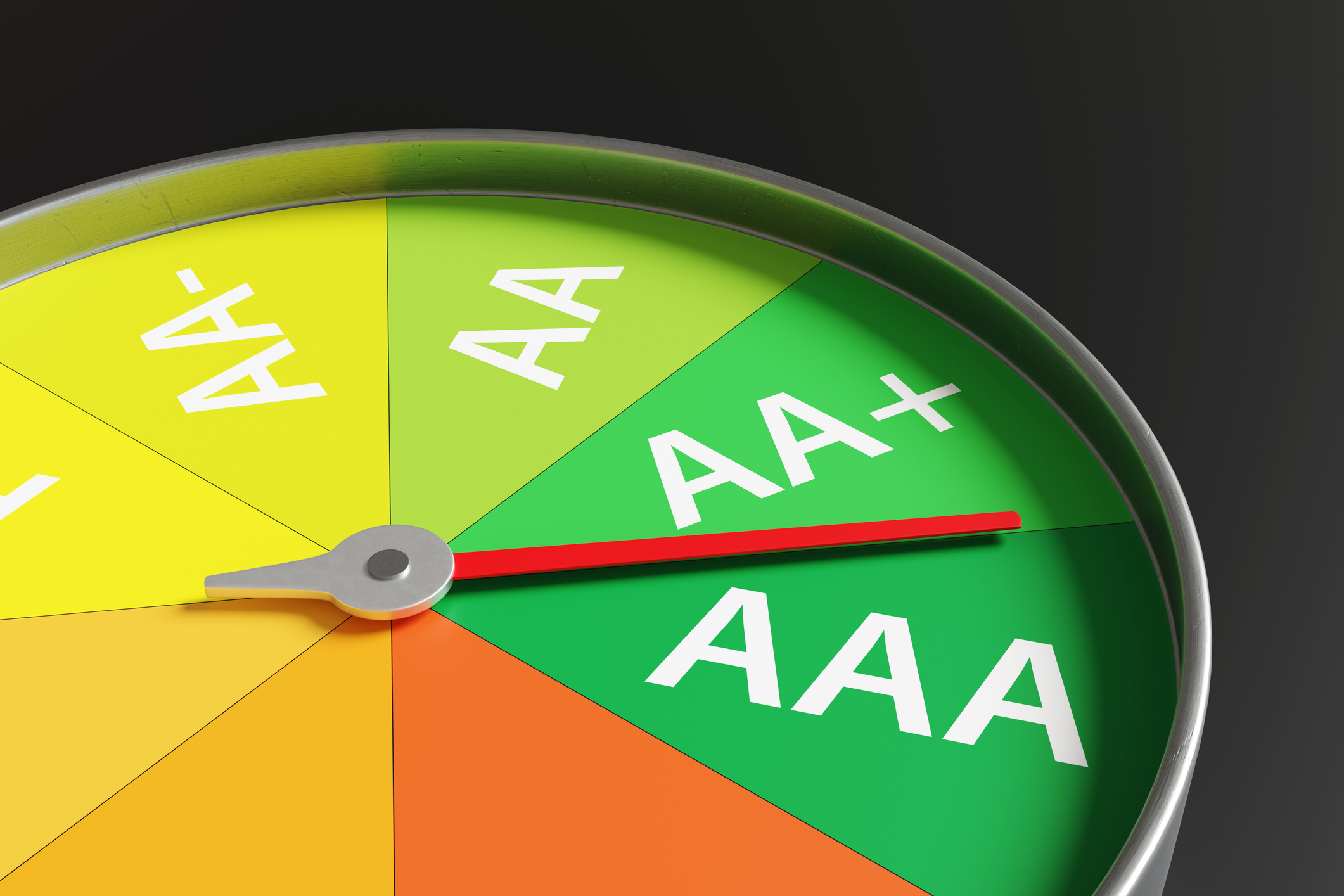 Bond Ratings and What They Mean
investing Bond ratings measure the creditworthiness of your bond issuer. Understanding bond ratings can help you limit your risk and maximize your yield.
-
 Bond Basics: U.S. Savings Bonds
investing U.S. savings bonds are a tax-advantaged way to save for higher education.
-
 Bond Basics: Treasuries
investing Understand the different types of U.S. treasuries and how they work.


