To Save More, Tap Into Your Emotions
Objecs that have special meaning to you could be the key to identifying your savings goals.

You are now subscribed
Your newsletter sign-up was successful
Want to add more newsletters?

Delivered daily
Kiplinger Today
Profit and prosper with the best of Kiplinger's advice on investing, taxes, retirement, personal finance and much more delivered daily. Smart money moves start here.

Sent five days a week
Kiplinger A Step Ahead
Get practical help to make better financial decisions in your everyday life, from spending to savings on top deals.

Delivered daily
Kiplinger Closing Bell
Get today's biggest financial and investing headlines delivered to your inbox every day the U.S. stock market is open.

Sent twice a week
Kiplinger Adviser Intel
Financial pros across the country share best practices and fresh tactics to preserve and grow your wealth.

Delivered weekly
Kiplinger Tax Tips
Trim your federal and state tax bills with practical tax-planning and tax-cutting strategies.

Sent twice a week
Kiplinger Retirement Tips
Your twice-a-week guide to planning and enjoying a financially secure and richly rewarding retirement

Sent bimonthly.
Kiplinger Adviser Angle
Insights for advisers, wealth managers and other financial professionals.

Sent twice a week
Kiplinger Investing Weekly
Your twice-a-week roundup of promising stocks, funds, companies and industries you should consider, ones you should avoid, and why.

Sent weekly for six weeks
Kiplinger Invest for Retirement
Your step-by-step six-part series on how to invest for retirement, from devising a successful strategy to exactly which investments to choose.
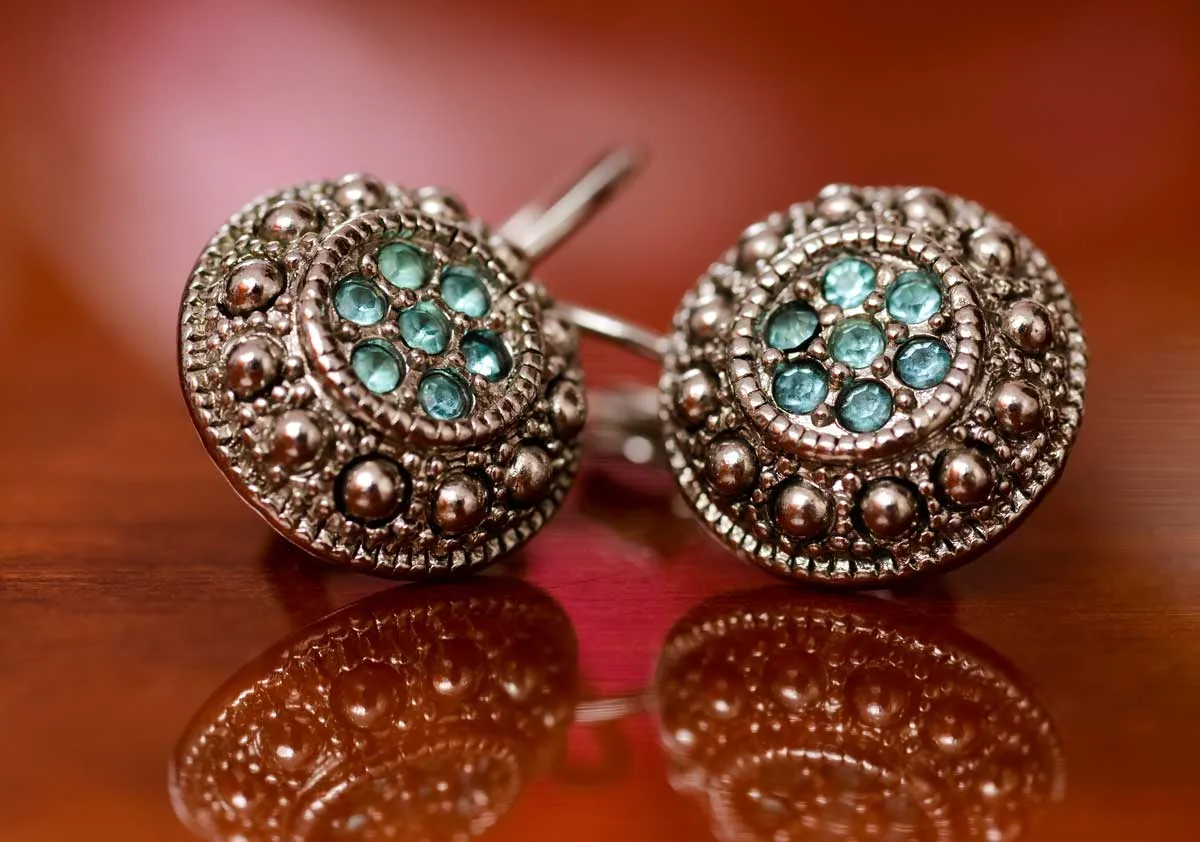
I am knee-deep in mementos and family heirlooms these days, having cleaned out three separate houses within the past 14 months following my parents' deaths and an aunt's decision to downsize. So, naturally, I was intrigued when I came across a recent study that says these very heirlooms might help plump up my savings.
The study comes from Brad Klontz—a psychologist, certified financial planner and associate professor at Creighton University—and was funded by Capital One. The object was to find out whether tapping into your emotional connections to nostalgic items could inspire you to save more--sort of a search for a savings talisman.
Remember the good times. Here's how it worked: In five cities—Atlanta, Austin, Boston, Dallas and Seattle--experimenters invited the public to a seminar on savings, to be conducted at a local hotel. When participants arrived on the day of the seminar, they were sent to one of two conference rooms. The first group heard a standard presentation on financial literacy, which touched on the importance of saving, the power of compound interest and various saving strategies.
From just $107.88 $24.99 for Kiplinger Personal Finance
Become a smarter, better informed investor. Subscribe from just $107.88 $24.99, plus get up to 4 Special Issues

Sign up for Kiplinger’s Free Newsletters
Profit and prosper with the best of expert advice on investing, taxes, retirement, personal finance and more - straight to your e-mail.
Profit and prosper with the best of expert advice - straight to your e-mail.
The second group was told to bring an item of sentimental value (or a picture of one). They arrived with teddy bears, Grandma's locket, Grandpa's watch, wedding rings, aged photos of favorite family vacations and all manner of mementos. In their conference room, they were given a tri-fold board and art supplies, magazines, scissors and glue. "It looked like a kindergarten classroom at art time," says Klontz.
After being cued to visualize the memories connected with their items, participants used the art supplies to depict those memories on the first panel of their board. On the third panel, they wrote or depicted the emotions the memories elicited, expressing why the memories were so meaningful and the values underlying them. Concepts conjured up included happiness, family, home, safety, security, adventure—you get the picture. On the middle panel, participants identified their top three savings goals, in words or pictures. They were told to be as specific as possible--not "retirement," but "retirement home on the beach." Not just "new car," but the make and model, along with the person they envisioned in the passenger seat.
A savings bump. Three weeks later, Klontz found that both groups had increased their rate of saving as a percentage of income. The financial literacy group boosted their savings by 22%; the emotional group, by 67%, with increases in the five cities ranging from 40% to 115%. The experiment shows that one way to get around the primal human instinct that makes it hard to delay gratification for some future goal is to connect that goal with other primal, motivating emotions, says Klontz.
To try it at home, find something meaningful, and ask yourself what feelings or values you associate with it. Chances are, they're also what underlie your savings goals. To tap those emotions, envision the future as specifically as possible. Tape a picture to your mirror, or use an evocative image as your screen saver. Set up automatic contributions to a savings or investment account while you're fired up, and name the account--you might contribute more to the Red Maserati fund or the Family Oceanfront Condo account.
Klontz has a savings talisman of his own: a money clip he gave his grandfather for Christmas one year. Shortly before the elder gentleman died, he pressed it back into Klontz's hand. "My grandfather was low-income and passed away in a trailer park," says Klontz. To him, the heirloom represents love of family and a desire to create a legacy of abundance that his grandfather wasn't able to enjoy. "Funny that it's a money clip," he says.

-
 How Much It Costs to Host a Super Bowl Party in 2026
Hosting a Super Bowl party in 2026 could cost you. Here's a breakdown of food, drink and entertainment costs — plus ways to save.
-
 3 Reasons to Use a 5-Year CD As You Approach Retirement
A five-year CD can help you reach other milestones as you approach retirement.
-
 Your Adult Kids Are Doing Fine. Is It Time To Spend Some of Their Inheritance?
If your kids are successful, do they need an inheritance? Ask yourself these four questions before passing down another dollar.


-
 How I'm Going to Invest My Mega Millions Lottery Jackpot
The odds of winning the Mega Millions lottery are effectively zero, but here's how I'm investing my fortune should I hit the jackpot.
-
 Four Random Facts and Thoughts About Warren Buffett
If I love Warren Buffett so much why don't I just marry him?
-
 Investing in Gold Is Dumb
Stocks are better than gold for both generating wealth and offering protection against inflation.
-
 What's So Scary About a Mega-Cap Tech Bull Market?
Bears say the market can't keep rallying when only five mega-cap tech stocks are driving returns, but history suggests otherwise.
-
 We Are Not in a Bull Market
It takes more than a 20% gain off the low to proclaim the beginning of a new bull market.
-
 Why I Don't Buy Stocks
It's nearly impossible to beat the market – but it is cheap and easy to match it.
-
 Amy Domini on the Secrets of Sustainable Investing
ESG An ESG pioneer says finding good corporate citizens is the best way to make money.
-
 New Ways to Invest in Bitcoin
Becoming an Investor ProShares Bitcoin Strategy and other ETFs offer an easier way to gain bitcoin exposure than buying the actual cryptocurrency.


