Budgeting
Latest

-
 Eight Things Medicare Doesn't Cover
Medicare Part A and Part B leave gaps in your healthcare coverage. But Medicare Advantage has problems, too.
By Donna LeValley
-
 Are You 'Broke Planning'? 10 Frugal Habits People Are Using to Save in 2026
Tax Tips From California to New York, a new survey reveals where Americans are cutting costs. Here's how to pivot those "broke behaviors" into strategic tax advantages.
By Kate Schubel
Tax Tips -
 I Need to Cut $1,000 From My Monthly Budget, and I've Already Given Up Starbucks and Dining Out. What Else Can I Do?
Here are some creative ways to save up to $1,000 a month, even if you feel like you've already made all of the obvious cuts.
By Rachael Green
-
 9 Things You'll Spend Less on in Retirement
There are at least nine categories that you will spend less on in retirement years.
By Bob Niedt
-
 'Food Tax': Which States Still Tax Groceries?
State Tax Ten states still tax groceries, but that figure is shrinking.
By Katelyn Washington
State Tax -
 I'm a Government Employee and Need to Get By Until the Shutdown Ends. What Can I Do?
The second-longest shutdown in history is leaving many federal workers with bills due and no paycheck to cover them. Here's what you can do to get by.
By Rachael Green
-
 The Power of Living Within Your Means
Budgeting Budgeting is work, but it allows you to spend your money on what you value most.
By Miriam Cross
Budgeting -
 How Our Family Fights Inflation
Budgeting Millennials typically spend more than other generations on certain expenses that have been increasing most rapidly. Here are some tips to cut your losses.
By Lisa Gerstner
Budgeting -
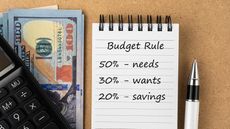 The 50-30-20 Budget Rule is a Simple Way to Save Money
Saving Using the 50-30-20 budget rule is an easy way to save. It helps you prioritize saving while paying off debt.
By Erin Bendig
Saving


